






Beyond Brocade and Brass
For decades, the global perception of Indian decor has been one of opulent maximalism. Think rooms filled with hand-carved teak furniture, rich brocade curtains, gleaming brass artifacts, and a riot of saffron, maroon, and emerald. This aesthetic, rooted
in royal history and regional crafts, has long been a beautiful and valid expression of cultural identity. However, for a new generation of Indian homeowners, particularly in bustling metropolises like Mumbai, Delhi, and Bengaluru, the appeal of this traditional grandeur is fading. They are not rejecting their heritage, but reinterpreting it for a modern context. They are trading visual density for sensory calm, paving the way for a new design language: soft minimalism.
Defining a Softer Approach
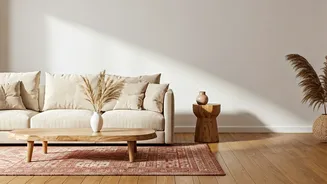
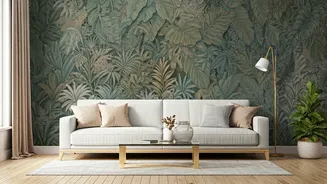
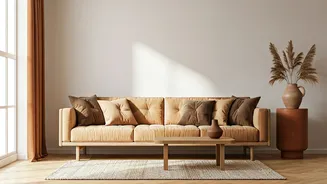
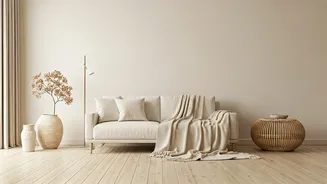
So, what exactly is soft minimalism? It’s not the cold, sterile, gallery-like minimalism that became popular in the West. Instead, it’s a warmer, more inviting version that prioritizes comfort and personality. The core principles are still there: uncluttered spaces, clean lines, and a restrained color palette. But the execution is all about texture, light, and nature. Think cozy bouclé chairs, raw linen curtains that filter sunlight beautifully, and smooth, hand-thrown ceramics. The palette shifts from stark white to a layered range of neutrals—oatmeal, beige, terracotta, and soft grey. It’s a design philosophy that aims to create a sanctuary, a space that feels as good as it looks. The focus is less on having nothing and more on cherishing the few, well-chosen things you do have.
A Response to Urban Life
This shift isn’t happening in a vacuum. It’s a direct response to the realities of contemporary Indian urban life. As cities become more crowded, noisy, and fast-paced, the home is increasingly seen as a vital escape. People are craving a visual and mental respite from the chaos outside their door. Smaller apartment sizes also play a significant role. An ornate, heavy style can make a compact space feel cramped and overwhelming. Soft minimalism, with its light colors, clean lines, and emphasis on functionality, does the opposite. It creates an illusion of space and serenity, making it a practical as well as an aesthetic choice for modern city dwellers. This desire for a personal sanctuary reflects a broader global wellness trend, customized for the Indian context.
It’s Not Western, It’s Globalized
It’s tempting to see this as a simple case of Westernization, but that would be a mistake. Indian designers and homeowners are not merely copying a Scandinavian or Japanese aesthetic; they are skillfully adapting it. This new style is a fusion, blending global minimalist principles with a distinctively Indian soul. The 'Indian-ness' comes through in the details. Instead of generic décor, you’ll find a single, beautifully crafted wooden urli bowl, a contemporary piece of Gond art on a bare wall, or throw pillows made from handwoven Khadi fabric. Local materials like teak, sheesham wood, and locally quarried stone are favored. The trend champions Indian craftsmanship, but in a contemporary form—celebrating the artisan's skill in a piece of pottery rather than an intricate carving. It's about finding harmony between a global outlook and local roots.
The Philosophy of ‘Less but Better’
Ultimately, the rise of soft minimalism in India speaks to a deeper philosophical shift. It signals a move away from conspicuous consumption and a desire for a more intentional way of living. In a culture that has often celebrated abundance, a growing segment of the population is finding luxury in simplicity. This isn't about austerity; it’s about curation. It’s the idea that owning fewer, higher-quality, more meaningful objects is more fulfilling than owning a house full of things. This mindset aligns with a growing awareness of sustainability and mindful consumption. By choosing pieces that are built to last and tell a personal story, homeowners are creating spaces that are not only beautiful and calming but also deeply authentic.