





From Global Brands to Local Roots
For years, the story of young India’s style was one of aspiration, defined by the arrival of global fast-fashion giants like Zara and H&M. Economic liberalization in the 1990s opened the floodgates, and for millennials, access to these international brands
was a symbol of progress and modernity. But for Gen Z and younger millennials today, that narrative feels incomplete. While global trends still hold sway, a powerful counter-current is pulling them toward something more personal and purposeful. This isn't a rejection of modernity but a redefinition of it. They are asking a new set of questions: Who made my clothes? What story does this garment tell? Does this purchase align with my values?
The Search for Conscious Consumption
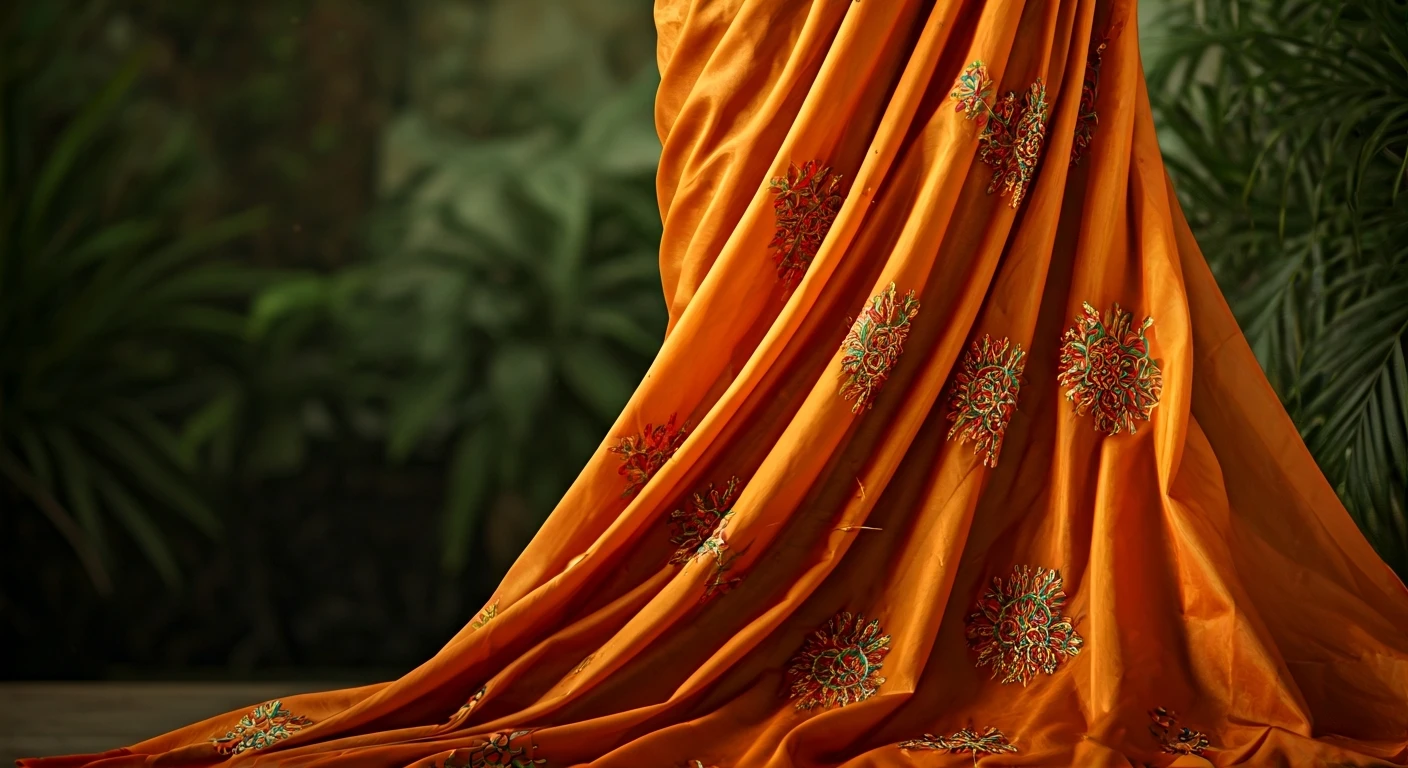
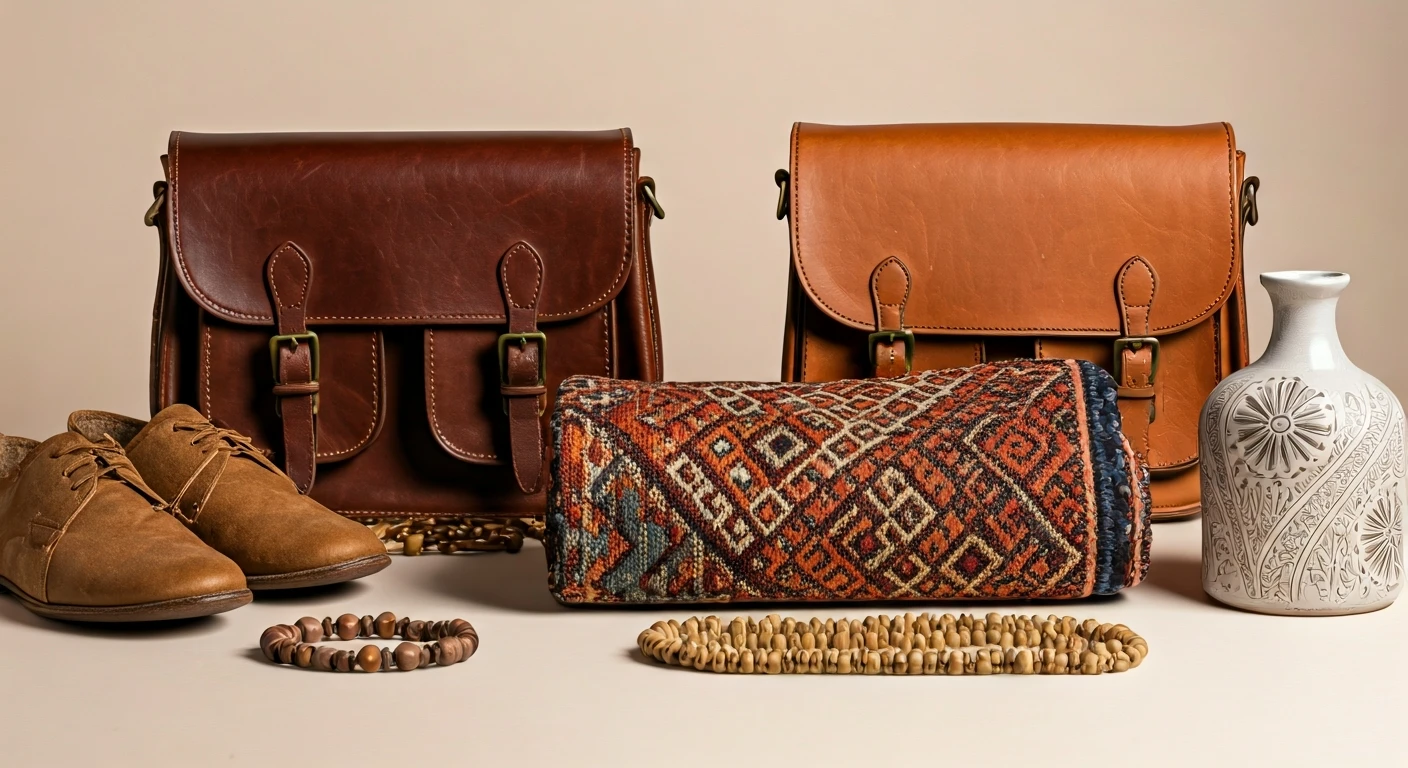
This shift is powered by a growing consciousness around sustainability and ethics, mirroring a global Gen Z trend but with a uniquely Indian flavor. In a country grappling with immense environmental challenges and vast income inequality, the impact of consumption feels immediate. As a result, ‘slow fashion’ is gaining traction. This includes a renewed appreciation for traditional Indian textiles and crafts, such as handloom cottons (khadi), block-printed fabrics, and intricate embroidery. Choosing to wear a hand-woven sari or a shirt made from locally sourced organic cotton is no longer just a fashion choice; it’s a political and ethical statement. It’s a vote for local artisans, for sustainable practices, and for preserving a craft that is woven into the country’s cultural fabric. Thrifting and upcycling, once niche concepts, are also exploding in popularity, driven by a desire to reduce waste and cultivate a unique personal style that can’t be bought off a mass-market rack.
Identity in a Digital World
Social media is the primary arena where this new aesthetic is being forged and showcased. Instagram, in particular, has become a platform for young Indians to build and perform identities that are both global in their awareness and deeply local in their expression. Influencers are emerging not as mere clotheshorses for big brands, but as educators and storytellers. They post about the history of a particular weaving technique, profile the artisans behind their clothing, and share tips on mending and caring for garments to extend their life. They are creating ‘digital tribes’ around shared values, where a person’s aesthetic is a signifier of their worldview. This digital ecosystem allows them to bypass traditional gatekeepers and champion smaller, homegrown brands that prioritize transparency and purpose over profit-at-all-costs.
More Than a Passing Trend
It would be a mistake to dismiss this as a fleeting fad exclusive to a privileged urban elite. While the movement is certainly strongest among digitally-connected city dwellers, its influence is spreading. The values at its core—authenticity, sustainability, and a connection to heritage—are resonating more broadly. This is a generation that came of age with unprecedented access to information and a clear-eyed view of the world’s problems. They are using their purchasing power, however limited, as a tool for change. They inherited a world of endless choice and are responding not by consuming more, but by consuming better. The aesthetic they are crafting is one of intention, where style is a byproduct of substance.