





Going for a Daily Walk
It’s not a 5 a.m. boot camp or a marathon, and that’s precisely the point. Walking is the single most underrated form of exercise for weight management. It’s low-impact, free, and requires no special equipment or scheduling gymnastics. A daily 30-minute
walk helps burn calories, improves insulin sensitivity, and reduces stress—a key trigger for weight gain. Unlike grueling workouts that can lead to burnout or injury, walking is a gentle nudge, not a shove. It builds a foundation of activity you can maintain for years, not just for the 12 weeks of a “challenge.” The cumulative effect of thousands of extra steps a day, every day, far outweighs the impact of an intense workout you only do sporadically.
Eating at Predictable Times
There’s no magic here, just simple biology and psychology. When you eat at roughly the same times each day, you regulate your body's internal clock. This helps stabilize hunger hormones like ghrelin and leptin, reducing the odds of sudden, ravenous cravings that lead to poor food choices. A predictable schedule also eliminates the mental fatigue of constantly deciding *when* and *what* to eat. You’re less likely to find yourself starving at 3 p.m. and reaching for the first available high-calorie snack. This structure provides a sense of control and reduces opportunities for impulsive eating, making it easier to stick to a healthy eating plan without feeling deprived.
Prioritizing Sleep
Sleep is the silent partner in weight loss. While diet and exercise get all the attention, a chronic lack of sleep can sabotage your best efforts. When you're sleep-deprived, your body produces more ghrelin (the “I’m hungry” hormone) and less leptin (the “I’m full” hormone). This hormonal imbalance creates a perfect storm for overeating. Furthermore, fatigue drains your willpower, making it harder to resist cravings and stick to your workout plans. Aiming for 7-9 hours of quality sleep isn't a luxury; it’s a non-negotiable part of the process. It resets your hormones, repairs your muscles, and recharges your brain for another day of making good choices.
Drinking More Water
Yes, the most boring advice is also one of the most effective. Our bodies often mistake thirst for hunger. A simple glass of water can be the difference between needless snacking and genuine satisfaction. Drinking water, especially before a meal, has been shown to increase feelings of fullness, causing people to naturally consume fewer calories. It also boosts your metabolism and is essential for nearly every bodily function, including burning fat. Swapping sugary drinks like soda, juice, and specialty coffees for water is one of the easiest ways to slash hundreds of calories from your daily intake without feeling like you’re on a diet. It’s a simple swap with a massive payoff.
Making Simple, Repeatable Meals
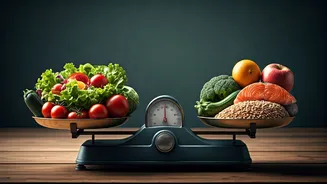
Gourmet, Instagram-worthy meals are great, but they aren't practical for daily life. The most successful long-term losers often rely on a small rotation of simple, balanced, and easy-to-prepare meals. Think grilled chicken with roasted vegetables, a big salad with a can of tuna, or oatmeal with berries. This approach, sometimes called a “food uniform,” removes decision fatigue. You know exactly what you’re eating, how many calories it contains, and that you’ll feel good after. It saves time, money, and mental energy, freeing you from the constant pressure of planning the “perfect” healthy meal. Consistency, not novelty, is what drives results.
Weighing In Consistently (But Not Obsessively)
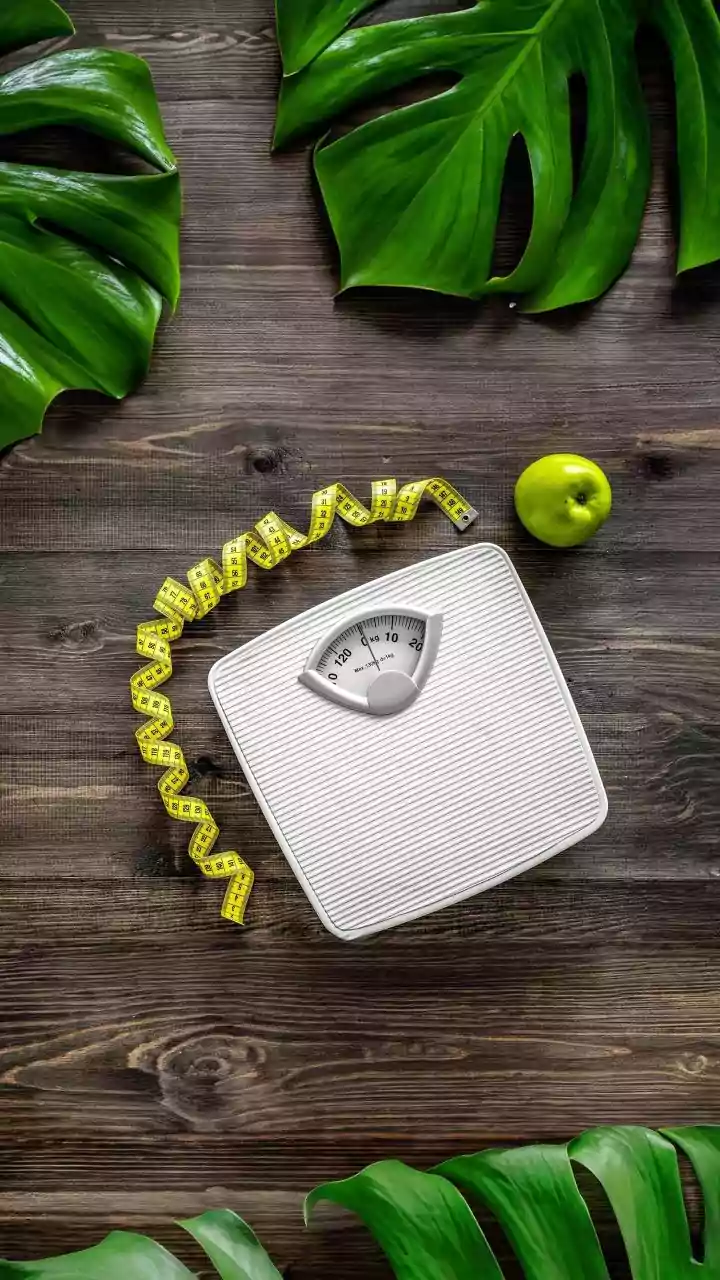
This might sound counterintuitive, but consistent self-monitoring is a hallmark of long-term weight management success. The key is the mindset. The scale is not a judge of your self-worth; it’s a data point. Weighing in once a week, at the same time and under the same conditions, provides valuable feedback. It allows you to see trends over time and catch small weight gains before they become significant ones. This regular check-in keeps you accountable and mindful without promoting daily obsession over normal fluctuations. It’s the boring, administrative task of weight loss that prevents small slip-ups from turning into a complete relapse.