







A New Generation of Globetrotters
This isn't your parents’ European tour. Forget whirlwind, multi-city bus trips focused on family photo ops. A rising number of Indian university students and recent graduates are charting their own courses, backpacks on and smartphones in hand. They are booking
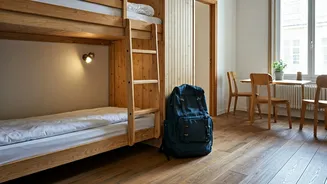
dorm beds in Generator or St Christopher’s hostels, cooking pasta in communal kitchens, and joining free walking tours. While Indian tourism in Europe has been growing for years, this specific demographic—young, independent, and budget-conscious—represents a significant evolution. They are not just visiting landmarks; they are immersing themselves in the backpacker subculture, trading stories and travel tips with peers from around the world in a way that previous generations rarely did.
From Family Trips to Solo Freedom
To understand how profound this shift is, one has to appreciate the traditional context of travel in India. For decades, vacations were predominantly family affairs. Trips were planned around school holidays, often involving large, multi-generational groups, with itineraries carefully managed by parents or elders. The concept of a young person, especially a young woman, traveling abroad alone for leisure was an anomaly, often viewed with a mix of concern and skepticism. Today, that narrative is being rewritten. For many of these students, a solo trip to Europe is more than a vacation; it's a declaration of independence. It’s their first real taste of navigating the world on their own terms, making their own decisions, and building a sense of self-reliance far from the comforts and constraints of home.
The Economic and Digital Drivers
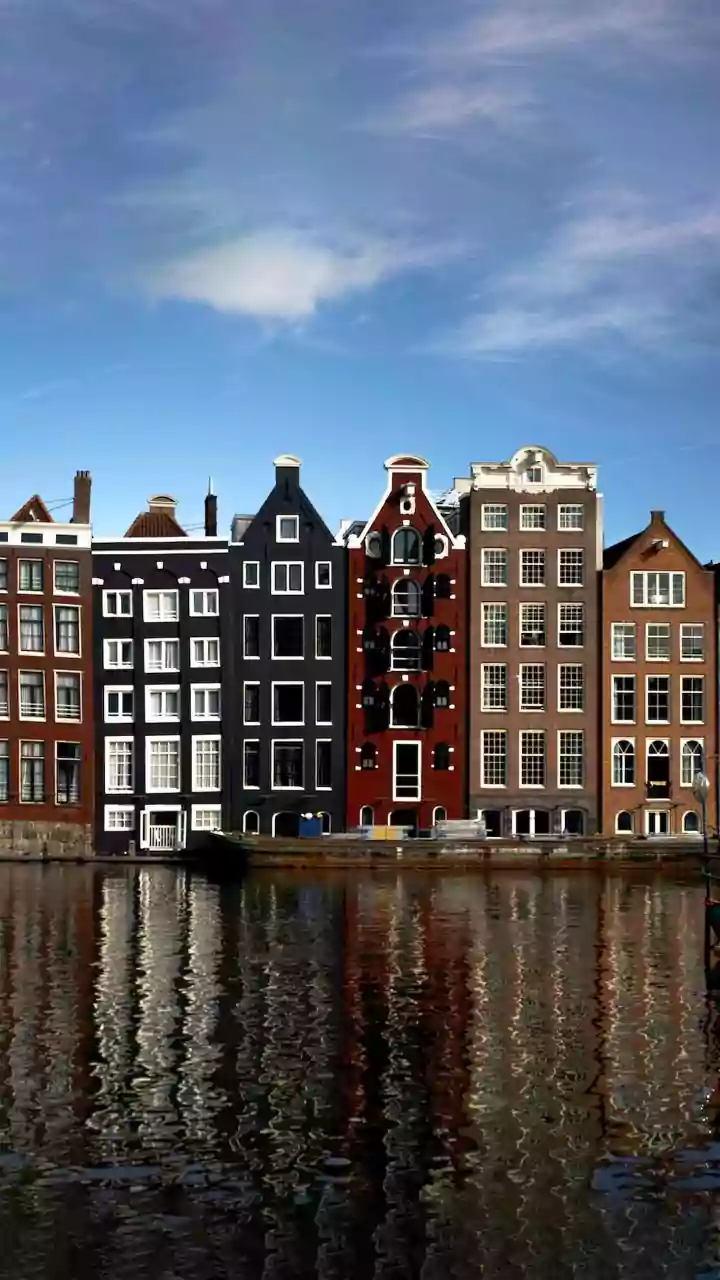
This trend isn’t happening in a vacuum. It’s fueled by a powerful combination of economic growth, technological empowerment, and a globalized outlook. A growing segment of India’s middle and upper-middle class now has the disposable income to fund such trips. Simultaneously, the digital revolution has demolished the barriers to entry. Budget airlines, hostel-booking apps like Hostelworld, and travel blogs have made planning a multi-country European adventure more accessible than ever. Social media plays a crucial role, with platforms like Instagram and YouTube serving as both inspiration and a practical guide. Feeds filled with images of friends against the backdrop of the Eiffel Tower or the canals of Amsterdam make the dream feel tangible and achievable, while vlogs provide step-by-step instructions on everything from navigating the metro to finding the best cheap eats.
More Than Just a Vacation
Beyond the adventure and Instagram posts lies a deeper motivation. For a generation facing a competitive global job market, international exposure is seen as a significant asset. Traveling solo hones soft skills that are highly valued by employers: problem-solving, cross-cultural communication, budgeting, and adaptability. It’s a real-world education that complements their academic pursuits. This experience broadens their horizons, challenges their perspectives, and builds a quiet confidence that comes from successfully navigating unfamiliar environments. They are returning home not just with souvenirs, but with a new sense of global citizenship and a portfolio of life experiences that set them apart.