
Beyond the Probiotic Pill
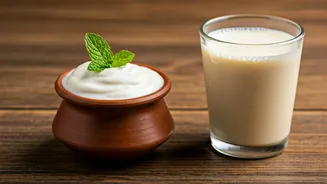
Remember the great probiotic boom? Suddenly, every yogurt, drink, and pill promised to unlock the secrets of our microbiome. While probiotics can be beneficial for specific conditions, the idea of a one-size-fits-all magic bullet has started to fade.
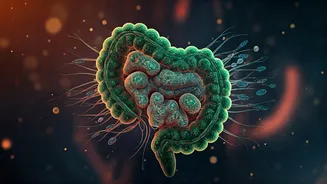
The science has matured, revealing a more complex picture. Our gut contains trillions of microorganisms, a bustling metropolis of bacteria, fungi, and viruses that’s unique to each of us. Simply parachuting in billions of a single type of bacteria, as many supplements do, often isn't the most effective strategy for building a resilient internal ecosystem. Many of these supplemental bacteria are transient visitors, passing through without ever setting up a permanent colony. The focus is now shifting from adding new residents to feeding the diverse community of microbes that are already home.
Your Plate Is the Real Pharmacy
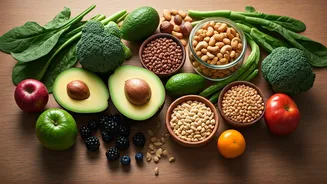
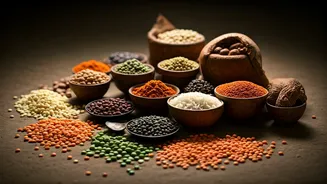
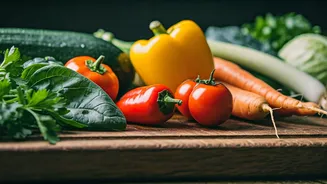
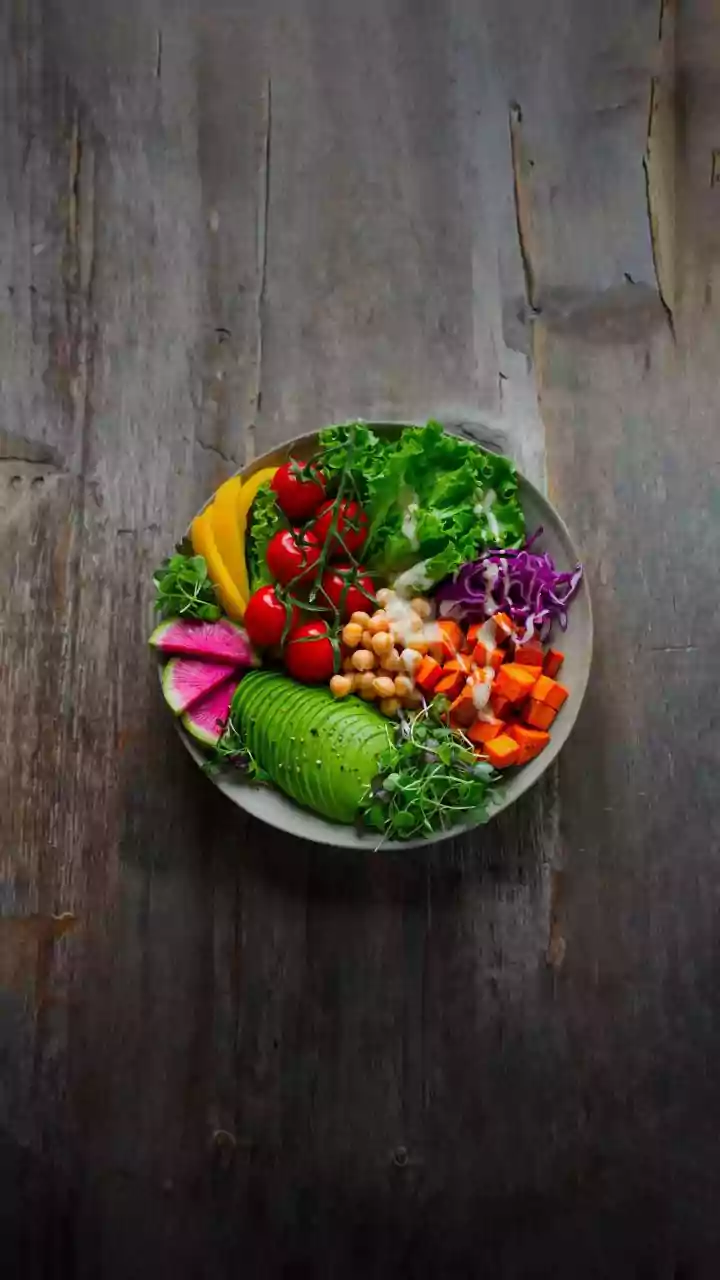
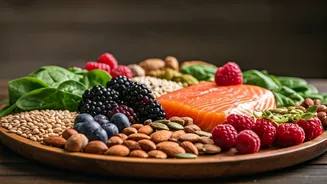
The new frontier of gut health is surprisingly old-fashioned: it’s your dinner plate. The single most powerful tool for influencing your microbiome is your diet. Specifically, two things matter most: diversity and fiber. Think of fiber as the preferred food for your beneficial gut bacteria. When they feast on fiber from vegetables, fruits, legumes, and whole grains, they produce short-chain fatty acids (SCFAs) like butyrate, which are superstars for our health. They strengthen the gut lining, reduce inflammation, and may even influence mood and immunity. The mantra “eat the rainbow” isn't just a cliché; it’s a blueprint for microbial diversity. Different colored plants contain different fibers and phytonutrients, feeding different types of bacteria. A monotonous diet, even a healthy one, leads to a less diverse microbiome. A varied diet of whole foods, on the other hand, cultivates a rich and robust internal garden.
The Fermentation Revival
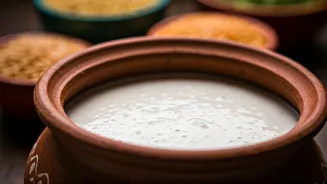
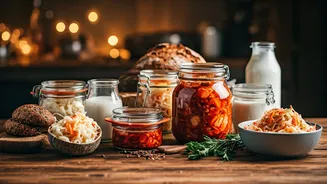
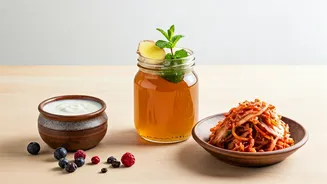
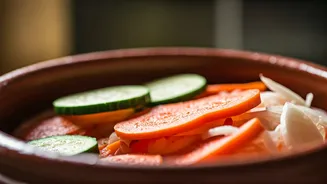
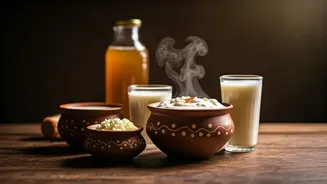
This back-to-basics approach has sparked a full-blown revival of a timeless food preservation technique: fermentation. From sourdough starters bubbling on countertops to jars of kimchi and kraut fermenting in the fridge, Americans are rediscovering the power of live-cultured foods. Unlike many commercial probiotics, fermented foods offer a complex consortium of different microbial strains. That jar of homemade sauerkraut doesn’t just contain bacteria; it contains a whole neighborhood of microorganisms that have worked together. This process also pre-digests the food, making nutrients more available and easier to absorb. It’s gut health in its most tangible form—a living food, created in your own home, that directly nourishes the life within you.
Think Local, Eat Diverse
Bringing gut health “closer to home” also has a literal meaning: sourcing food from your local environment. Visiting a farmer’s market isn't just a quaint weekend activity; it’s a way to connect your gut to your local ecosystem. Seasonal produce picked at peak ripeness often contains a higher density of nutrients. Furthermore, fresh-from-the-farm produce can carry a subtle dusting of soil-based organisms and environmental microbes that can further diversify our internal world. This doesn’t mean you have to abandon your favorite globally-inspired dishes. It means building those dishes—whether it’s a Korean-inspired kimchi made with local cabbage or an Italian pasta sauce with farmers-market tomatoes—around a core of fresh, local, and diverse ingredients. You’re building a microbiome that is both worldly in its tastes and rooted in its environment.