

Understanding the Monsoon Magic
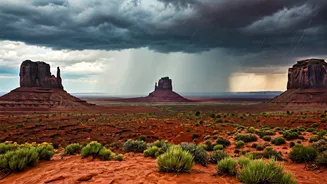
First, let's clear up a common misconception. The North American monsoon isn't a week-long torrential downpour. It’s a seasonal weather pattern, typically running from late June through September, that brings moisture from the Pacific into the arid regions
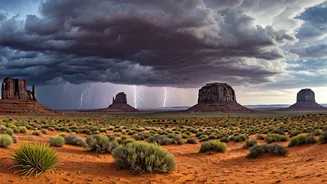
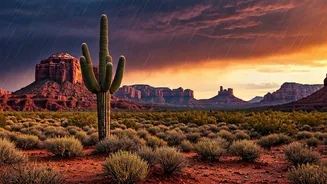
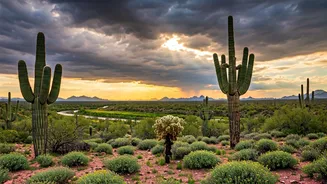
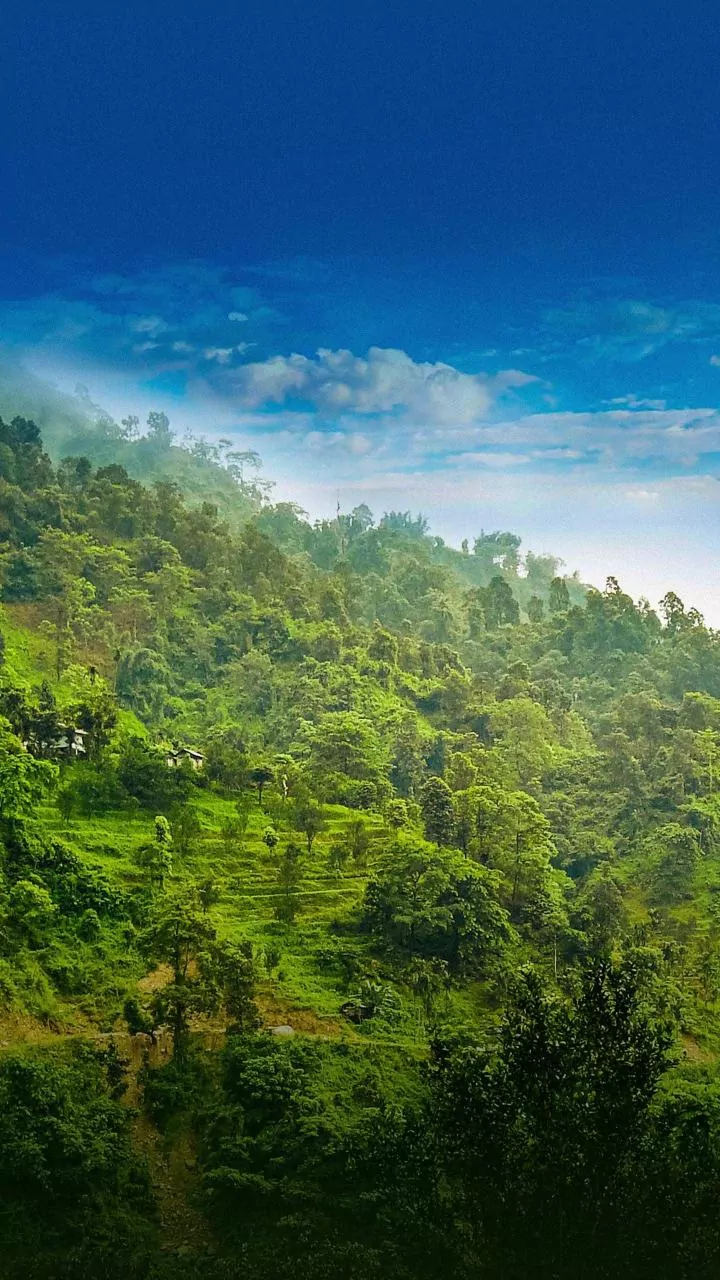
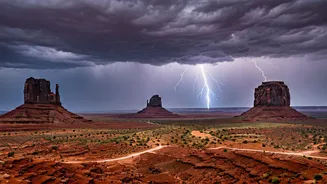
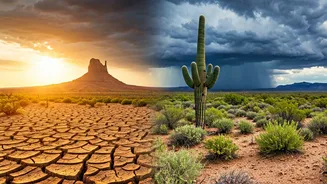
of Arizona, New Mexico, and surrounding states. The result? Short, dramatic, and often highly localized afternoon thunderstorms. These storms are a spectacle in themselves, with crackling lightning and the intoxicating scent of rain on dry earth, known as creosote. More importantly, this infusion of water triggers a biological explosion. Cacti bloom, dormant wildflowers burst into color, and the parched brown landscape turns a startling shade of green. It’s the desert’s secret season, a brief but beautiful period of renewal that most tourists completely miss.
The Economics of the Off-Season
Here’s where the deals come in. Traditional tourism in the Southwest peaks in the spring and fall, when temperatures are mild and the sun is reliable. Summer, with its intense heat, is generally considered the off-season. The monsoon, with its perceived inconvenience of rain, further suppresses demand. For hotels, tour operators, and wellness retreats, empty rooms and unbooked tours are a financial liability. To lure travelers during these slower months, they slash prices. It’s not uncommon to find discounts of 25-50% on luxury resorts, boutique hotels, and eco-lodges that would be booked solid at premium rates just a few months earlier. You’re getting a five-star experience for a three-star price, all because you’re willing to embrace a little afternoon rain.
The Eco-Tourism Payoff
This season isn’t just cheaper; for the eco-tourist, it's arguably better. The rain revitalizes ecosystems, making it a prime time for specific activities. Wildlife, often scarce during the midday heat, becomes more active. It’s a fantastic time for birding, as resident and migratory species flock to newly filled watering holes. National and state parks like Saguaro National Park or the Chiricahua National Monument become greener, cooler, and more photogenic. Hiking is best done in the early morning before the storms build, but the reward is seeing canyons and washes flush with life. For photographers, the dramatic skies, towering cloud formations, and intense sunsets provide an endless supply of breathtaking shots. You’re not just saving money; you’re experiencing the landscape at its most dynamic and alive.
Where to Find the Best Deals
Focus your search on popular destinations that typically command high prices. In Arizona, look at resorts and eco-lodges in and around Sedona, Scottsdale, and Tucson. These areas have a high concentration of luxury properties that are eager to fill rooms in July and August. Check their websites directly for “summer” or “monsoon” packages that bundle accommodation with spa credits or dining. In New Mexico, towns like Santa Fe and Taos also see a dip in visitors, opening up opportunities for deals on charming inns and casitas. Don’t just look at hotels. Tour operators offering jeep tours, guided hikes, or stargazing experiences may also offer significant off-season rates. The key is to be flexible and book within that late-June to early-September window.
Know Before You Go
Traveling during monsoon season requires a bit of practical planning. The storms, while usually brief, can be intense. Flash floods are a real and serious danger, especially in canyons and dry riverbeds (arroyos). Always check the forecast, heed local warnings, and never attempt to cross a flooded wash. Your travel schedule should be flexible; a planned afternoon hike might get rained out, so have a backup plan, like visiting a local museum or enjoying a leisurely meal. Pack for variety: lightweight clothing for the heat, a solid waterproof jacket for the downpours, and sturdy shoes that can handle a little mud. Embrace the siesta culture—plan active mornings, then relax, read, or hit the spa while the afternoon storms roll through.