


The Great Return to Comfort
For the better part of two decades, the story of food in urban India was one of rapid internationalization. The arrival of McDonald's, Domino's, and Subway was a cultural event, signaling a new, globalized middle class. Restaurants competed to create
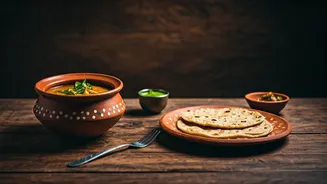
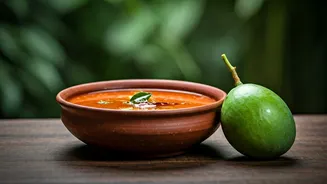
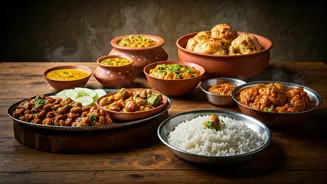
the most outlandish fusion dishes—tandoori chicken sushi, paneer tacos, gulab jamun cheesecake. But the pendulum is swinging back. Across India’s vast and diverse culinary landscape, from bustling street-side stalls to the meticulously planned menus of venture-backed restaurant chains, a clear preference is emerging for the familiar. This isn't a rejection of the new, but a powerful embrace of the old. Consumers are seeking out *ghur ka khana*—the comforting taste of home-cooked food—with a renewed passion. The dishes winning the day are not complex fusion experiments, but perfected, high-quality versions of classics like chole bhature (spiced chickpeas with fried bread) or a simple, well-made dal.
Beyond Nostalgia: A Maturing Market
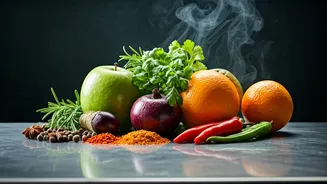
It’s easy to dismiss this trend as simple nostalgia, but that misses the bigger picture. This is a story about a maturing consumer market. The first wave of globalization brought novelty. Now, Indian diners, having sampled the world's cuisines, are developing a more discerning palate. They are experiencing a form of 'fusion fatigue,' tired of dishes that promise innovation but often deliver confusion. This return to tradition is less about going backward and more about demanding better. Consumers are seeking authenticity. They don't just want a generic 'curry'; they want the specific spice blend from their grandmother's region, prepared hygienically and available conveniently. This quest for authenticity is also tied to a growing sense of cultural pride. As India solidifies its place as a global economic power, its people are looking inward to celebrate the richness of their own heritage, and food is one of the most powerful expressions of that identity.
How Big Business Is Betting on Tradition
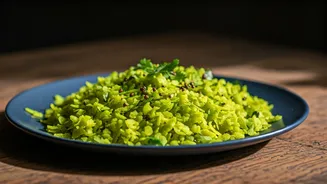
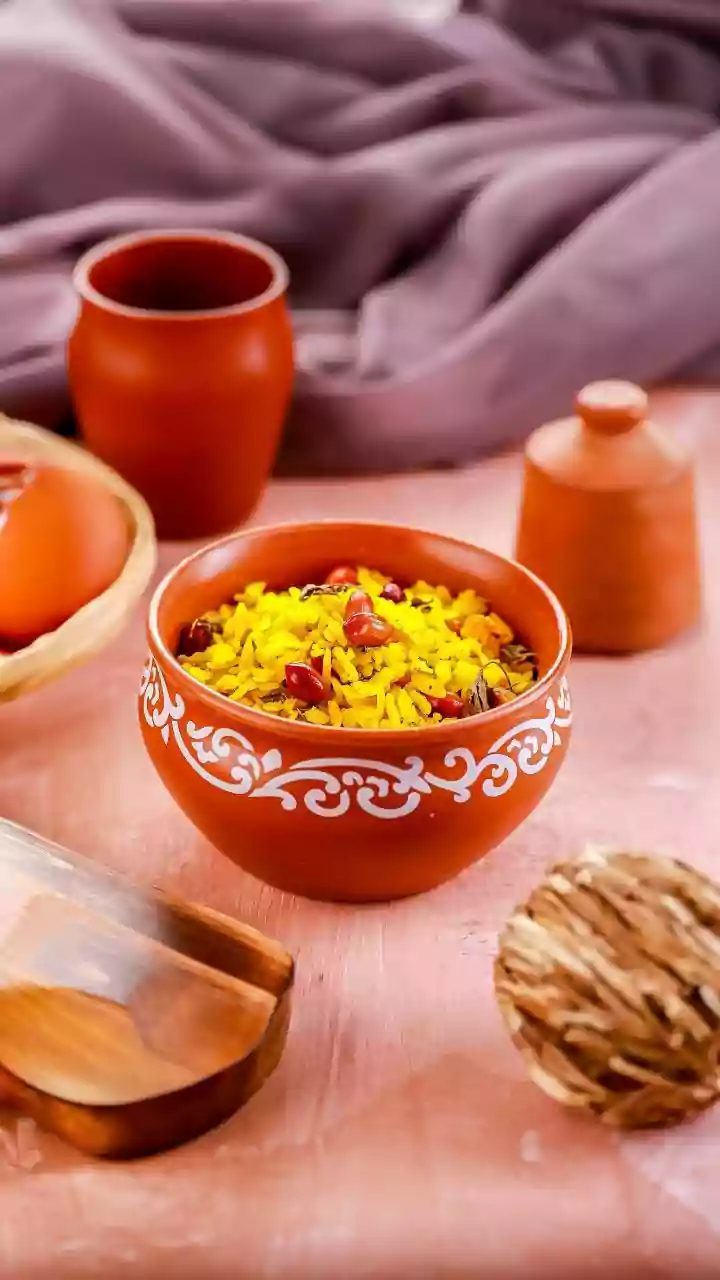
Smart businesses are paying close attention. Quick-service restaurant (QSR) chains and packaged food giants, once focused on western formats, are now heavily investing in traditional Indian fare. Brands are finding enormous success by offering classic, regional breakfasts like poha (flattened rice) and upma (savory semolina) in clean, standardized, and quick-to-serve formats. Packaged food companies are moving beyond generic spice mixes to offer ready-to-eat meals that promise an authentic, home-style taste, targeting busy urban professionals who lack the time, but not the desire, for a traditional meal. Even international players are adapting. Instead of just pushing a global menu, they're localizing with a new sophistication, realizing that a 'McAloo Tikki' burger was just the opening act. The main event is about delivering the real deal, conveniently. This shift represents a massive commercial opportunity, tapping into a market of over a billion people who share a deep-seated connection to their culinary roots.
A Global Lesson in Local Tastes
For an American observer, this trend might feel familiar. It mirrors the evolution seen in the U.S. food scene over the past few decades. After the post-war boom of standardized, mass-produced food, Americans began a similar journey back to their roots, sparking the rise of craft beer over mass-market lagers, artisanal bakeries over sliced white bread, and gourmet burger joints over generic fast food. In both countries, consumers who were exposed to global variety eventually turned their sophisticated tastes toward their own heritage, demanding higher quality and more authentic versions of the foods they grew up with. What’s happening in India is not an isolated phenomenon but a classic chapter in the story of modern consumer culture. It’s a powerful reminder that while globalization can connect the world, the deepest and most resonant flavors are often the ones found closest to home.