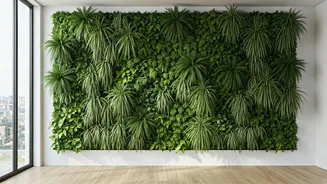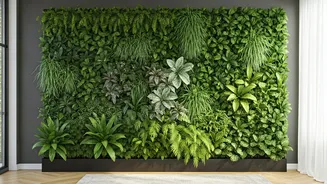



First, What Is a Plant Wall?
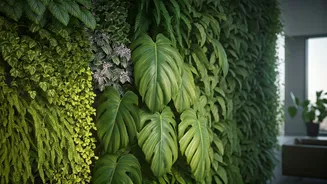
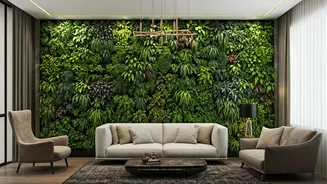
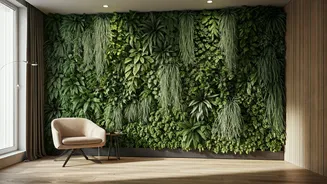
A plant wall, or living wall, is more than just a few potted plants on a shelf. It’s a vertical garden, a seamless surface of greenery that can cover part of a wall or the entire thing. The concept ranges from professionally installed hydroponic systems
that automatically water a mosaic of living tropical plants to simpler, more accessible versions. These can include panels of high-quality faux plants, frames filled with preserved (but not living) moss, or modular pocket systems for DIY enthusiasts. Regardless of the method, the effect is the same: it transforms a flat, static surface into a dynamic, living piece of art that instantly elevates a room’s atmosphere.
Why They Signal Luxury
So, what makes a wall of green feel so high-end? It’s a combination of design psychology and visual impact. First, there’s the principle of biophilia—our innate human connection to nature. Bringing the outdoors in on such a grand scale feels restorative and opulent, like having a private courtyard inside your home. Second, the texture and scale are dramatic. A plant wall introduces a complex, organic texture that paint or wallpaper can’t replicate. It commands attention and makes a space feel custom-designed and intentional. Finally, it implies a level of care and investment. Whether it’s a self-sustaining living system or a meticulously crafted faux installation, a plant wall doesn't look accidental; it looks like a deliberate, sophisticated choice.
Get the Look: The Faux Wall Panel
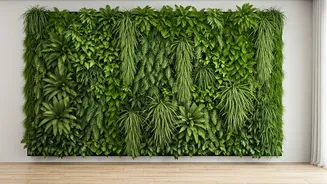
For those who love the look but not the commitment, high-quality faux plant walls are the perfect entry point. Forget the dusty, plastic-looking ivy of the past. Today’s artificial panels are incredibly realistic, featuring a mix of ferns, succulents, and leafy greens with varied tones and textures. You can buy them in interlocking squares to cover as much area as you need. Installation is often a DIY-friendly project, requiring little more than a staple gun or screws to attach the panels to a wall or a piece of plywood. This is the ideal solution for low-light areas, busy households, or anyone looking for maximum impact with zero maintenance. It’s the set-it-and-forget-it way to make that boring corner a lush focal point.
Get the Look: Preserved Moss Art
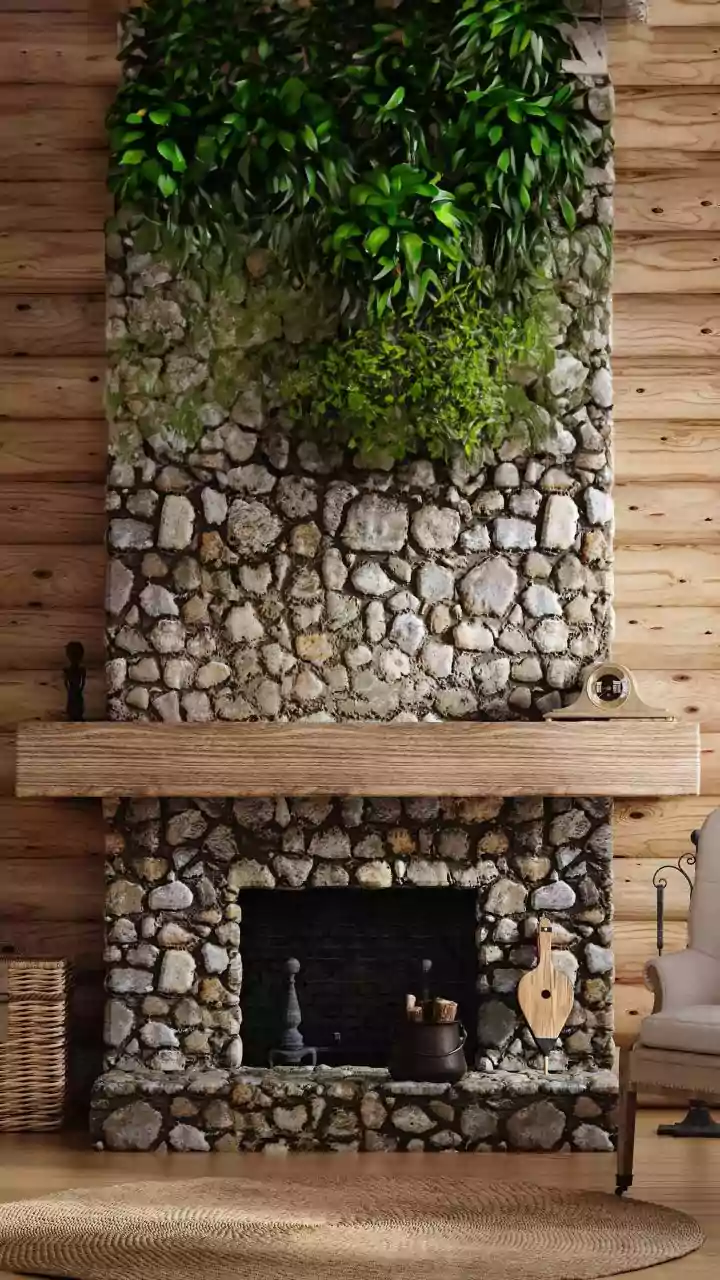
Occupying the middle ground between fake and living is the preserved moss wall. This is real moss that has been sustainably harvested and preserved through a non-toxic process using glycerin and natural dyes. It requires no soil, water, or light, yet it retains its soft texture and vibrant color for years. Because it’s so lightweight and maintenance-free, it’s often framed and hung like a piece of art. You can find stunning, ready-made moss art pieces online, or you can buy the materials to create your own. It offers the organic, natural beauty of a living wall without any of the upkeep, making it a sophisticated, artistic choice that feels both earthy and modern.
Get the Look: The True Living Wall
This is the gold standard. A true living wall is a self-contained ecosystem, often featuring a built-in irrigation system that circulates water and nutrients to the plants. These systems can be hydroponic (soil-free) or use soil-based pockets. While some companies offer modular, consumer-friendly kits, larger installations are best left to professionals who can handle the structural requirements, plumbing, and plant selection. The upkeep involves monitoring the irrigation system, pruning, and ensuring proper light. The cost is significantly higher, but the payoff is immense: a living, breathing installation that purifies the air, dampens sound, and provides an unparalleled connection to nature. It’s a true statement piece that doesn’t just look expensive—it represents a significant investment in a healthier, more beautiful living environment.