

The Great Peacemaker
Planning a trip for six, eight, or even twelve people is a masterclass in diplomacy and frustration. One person wants to hike, another wants to hit the bars, a third just wants to sleep for 72 hours straight. Every suggestion is met with a mix of enthusiastic
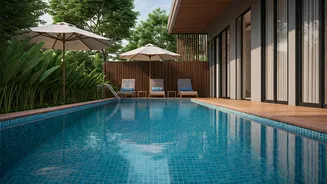
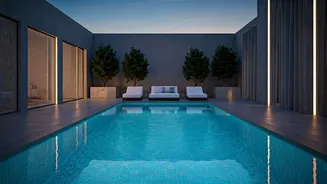
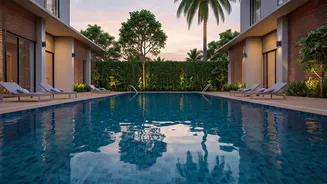
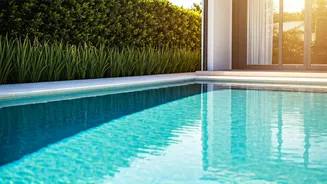
emoji and deafening silence. How do you find a common denominator? The pool. It’s the ultimate peacemaker. According to data from major rental platforms like Vrbo and Airbnb, “pool” has consistently been one of the most-used search filters for years, and its power has only grown in the age of the group trip. The pool is the rare amenity that pleases everyone. The active friend can swim laps, the partier has a perfect backdrop for a day drink, the reader has a tranquil spot for their book, and the parents have a built-in containment system for energetic kids. It’s not just a feature; it's a conflict resolution tool that turns a dozen “maybes” into a single, decisive “booked.”
When the House Is the Destination
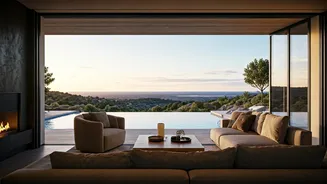
The pandemic fundamentally rewired our approach to travel. For a time, the destination wasn't a city or a national park; it was the house itself. That mindset has stuck. Group trips are increasingly built around the idea that the rental property is the main event, not just a place to sleep. A spectacular homestay functions as a private, all-inclusive resort for you and your friends. And what’s the centerpiece of any resort? The pool. A pool transforms a simple house into a self-contained world of leisure. It eliminates the pressure to create a packed itinerary of activities and excursions. Instead of coordinating multiple Ubers, ticket purchases, and restaurant reservations, the day's main event is a few steps from the kitchen. This model simplifies logistics and maximizes relaxation, allowing for the kind of unstructured hang-out time that is the true purpose of a friends’ getaway.
The Economics of Fun
At first glance, a home with a pool often comes with a higher price tag. But the group chat’s resident spreadsheet-keeper knows the real math. A private pool offers an unbeatable return on investment. It provides hours of free, built-in entertainment for the entire group. Consider the alternative: a day at a public beach involves parking fees, overpriced snacks, and a frantic search for a spot. A trip to a water park can cost over $50 a head. A single round of drinks at a trendy rooftop pool bar can set the group back hundreds. The private pool, by contrast, is an all-day activity hub with a one-time cost baked into the accommodation. You bring your own drinks, play your own music, and don't have to fight for a lounge chair. It’s a fiscally responsible choice masquerading as a luxurious splurge—a key selling point for getting everyone in the group to hit “confirm payment.”
A Symbol of Effortless Escape
Ultimately, the pool’s victory in the group chat isn’t just about swimming. It’s about what the pool represents: privacy, control, and effortless escape. In a world of crowded public spaces and over-scheduled lives, a private pool is a walled garden of tranquility. It’s a guaranteed good time, immune to bad weather (if it’s heated), overcrowding, or unexpected closures. It’s the promise that even if every other plan falls through, you can still have a perfect vacation day without ever leaving the property. This desire for a controlled, predictable, and private leisure experience has become a dominant force in modern travel. The pool isn't just a body of water; it’s the physical manifestation of the ideal vacation—easy, relaxing, and shared only with the people you chose to be there with. It’s the easiest way to guarantee the trip will feel like a genuine break from reality.