



Moving Beyond the Buffet
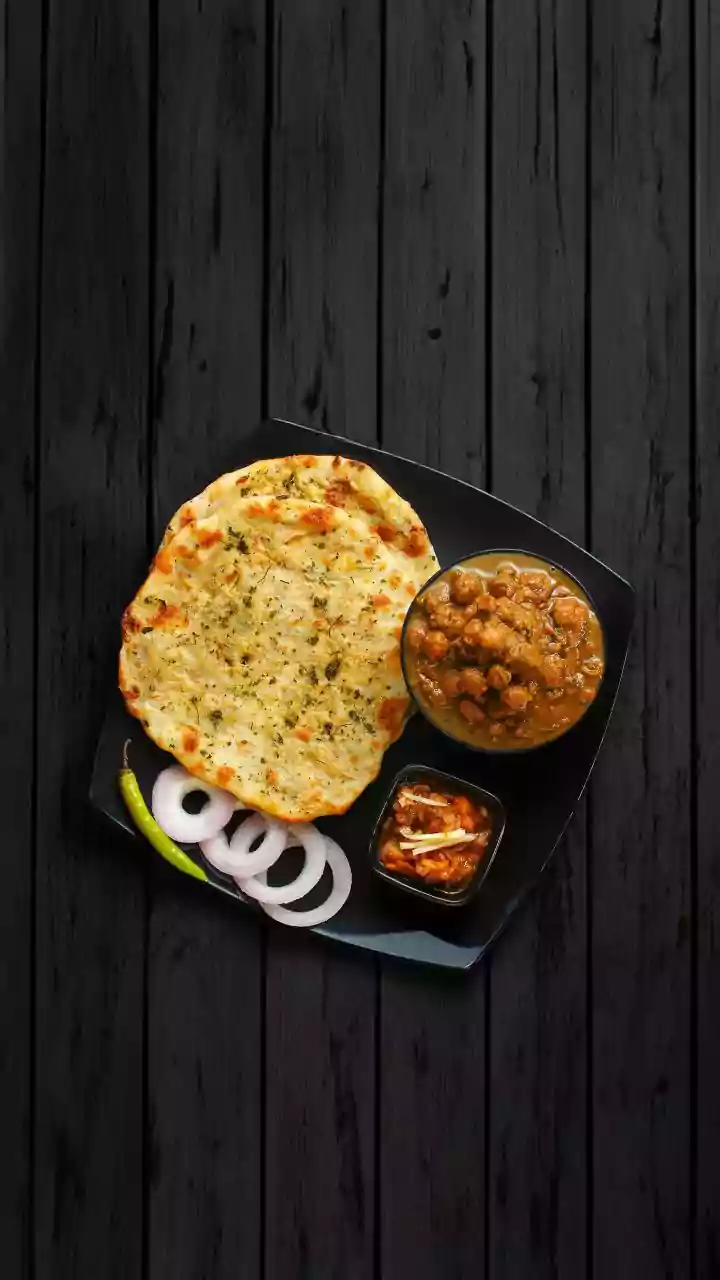
Let’s be honest: when you think of Indian food, your mind might conjure images of rich, creamy sauces, hefty piles of naan, and a food coma that derails the rest of your afternoon. For a long time, the dominant form of Indian cuisine in America has been
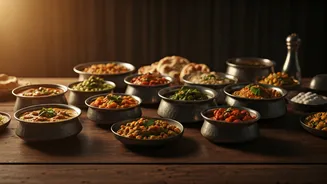
a homogenized version of North Indian and Punjabi dishes—delicious, yes, but also robust and often reserved for celebratory dinners rather than a quick midday meal. Dishes like chicken tikka masala, palak paneer, and butter chicken became the unofficial ambassadors of an entire subcontinent's culinary heritage. But India is a vast and incredibly diverse country, and its food is far from monolithic. This perception is finally beginning to shift, thanks to a new wave of chefs and restaurateurs who are looking beyond the tandoor oven and embracing a lighter, brighter, and more regionally specific approach to cooking.
The Coastal Indian Connection
The inspiration for this lighter fare often comes from India's extensive coastline, which stretches over 4,600 miles and touches nine states. The food from these regions—like Kerala, Goa, Maharashtra, and West Bengal—is a world away from the heavy, wheat-based dishes of the north. Here, rice is king, and the cooking is defined by what the sea and tropical climate provide. Think grilled fish wrapped in banana leaves, prawns simmered in coconut milk with tangy kokum (a sour fruit), and vibrant vegetable stir-fries seasoned with mustard seeds and curry leaves. Sauces are often broth-based, like the peppery, tamarind-infused rasam from the south, or built on the fresh sweetness of grated coconut rather than heavy cream. These cuisines are inherently lighter, relying on fresh herbs, complex spice blends, and souring agents to create layers of flavor that dance on the palate without weighing you down.
The California Cuisine Effect
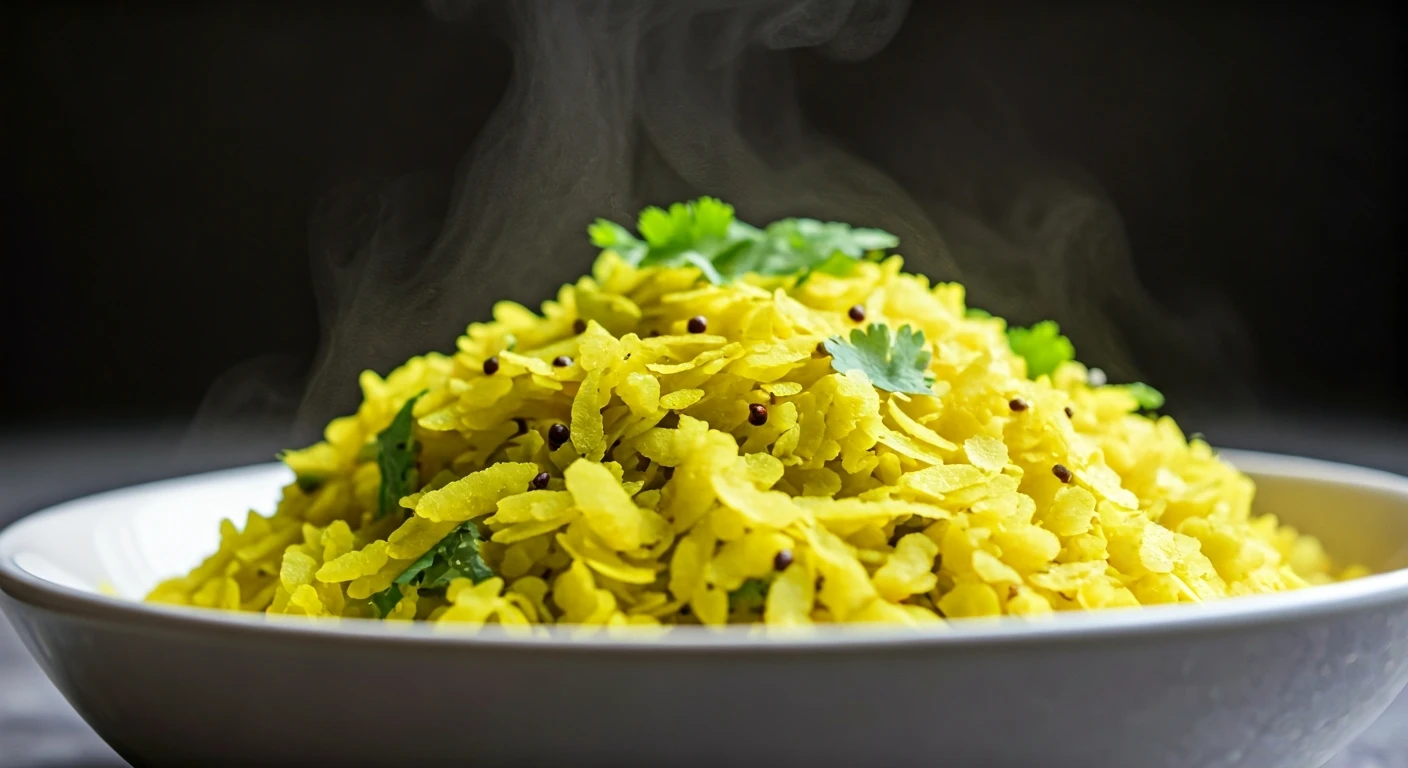
This trend isn't just about importing recipes from Goa or Kerala. It's also being shaped by a distinctly American coastal sensibility, particularly the ethos of California cuisine. A generation of Indian-American chefs, who grew up between two cultures, are applying the farm-to-table, seasonal, and hyper-local principles of modern American dining to the flavors of their heritage. This fusion of philosophies results in exciting new creations. You might see a classic dahi vada (lentil fritter in yogurt) reimagined as a savory yogurt bowl with seasonal berries and a mint-chili oil. Or a traditional poha (flattened rice) dish updated with avocado and a perfectly poached egg. It's about taking the soul of Indian flavors and presenting them in a format that feels modern, healthy, and perfectly suited to a contemporary American lifestyle.
What's on the Plate?
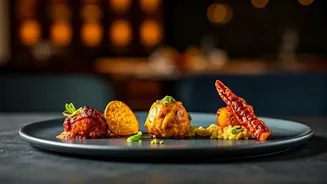
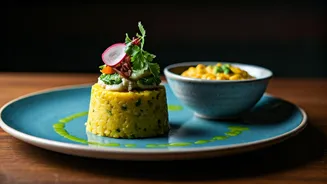
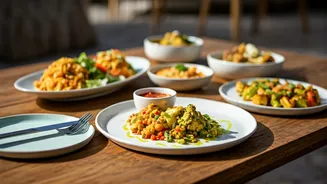
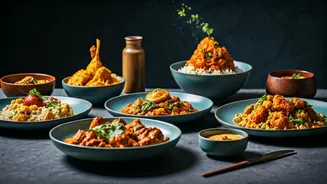
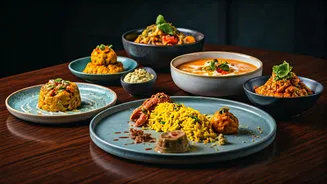
So what does a light, coastal-inspired Indian lunch actually look like? Forget the steam-table trays and picture a thoughtfully composed plate. It could be a vibrant bowl featuring quinoa or millet as a base, topped with grilled chicken kabobs, a crunchy kachumber salad (diced cucumber, tomato, onion), and a drizzle of cilantro-yogurt sauce. It might be a delicate sea bass, pan-seared and served over a bed of lemon rice with a side of green beans sautéed with coconut and mustard seeds. Even salads are getting an Indian makeover, with ingredients like sprouted mung beans, toasted seeds, and tangy dressings made with tamarind or mango powder. These are meals that are complex in flavor but simple in their freshness, designed to energize you for the rest of your day, not send you searching for a couch.