


The Golden City's Familiar Face
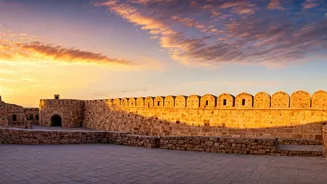
For most of the year, Jaisalmer, the famed “Golden City” of Rajasthan, lives up to its name and the world’s imagination. Perched on the edge of the vast Thar Desert, it’s a place defined by its relationship with a harsh, arid landscape. The magnificent
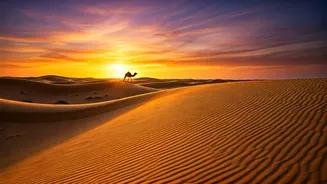
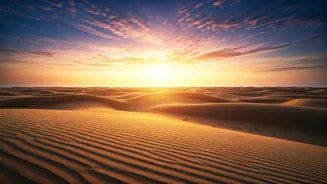
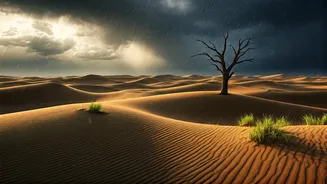
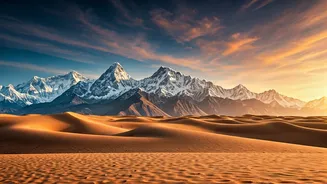
Jaisalmer Fort, a UNESCO World Heritage site, is carved from yellow sandstone that glows with an ethereal warmth at sunrise and sunset. Beyond the city walls, the Sam and Khuri sand dunes are a primary draw, offering tourists camel safaris across seemingly endless waves of amber sand. The air is dry, the sun is relentless, and the color palette is a study in ochre, beige, and brilliant blue sky. This is the Jaisalmer of postcards and legend—a stark, beautiful, and profoundly dry corner of the world.
When the Monsoon Arrives
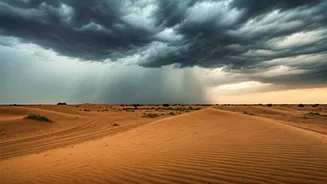
But every year, typically between July and September, a miracle unfolds. The Indian monsoon, a force of nature that nourishes the subcontinent, pushes its weather-beaten tendrils into this parched landscape. The arrival of the rains is a momentous event. The skies, clear for months, turn a dramatic, moody gray. The temperature, which regularly soars past 100°F, drops to a more merciful level. The smell of petrichor—the intoxicating scent of rain hitting dry earth—fills the air, a fragrance of profound relief and renewal for locals. The first downpours are not a gentle drizzle but often a determined deluge, soaking the thirsty ground and signaling a dramatic, if temporary, shift in the desert’s character.
A Carpet of Green on Amber Sands
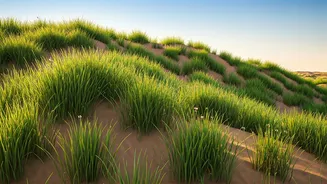
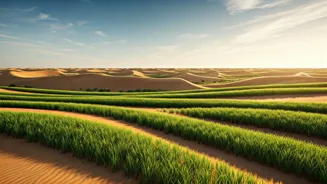
Within days of the first rains, the transformation begins. The dormant seeds of desert grasses and hardy shrubs, patiently waiting beneath the sand, burst to life. What was once a monochrome landscape of golden dunes erupts in a surprising spectrum of green. Low-lying vegetation spreads like a soft carpet, clinging to the contours of the dunes and creating a surreal visual contrast: vibrant life against the timeless backdrop of the desert. The landscape is dotted with small, seasonal flowers and the Khejri tree, Rajasthan's state tree, looks fuller and more vibrant. This isn’t the lush, dense greenery of a forest, but a more delicate, textured bloom that highlights the dunes’ shapes in a way the bare sand never could. For photographers and nature lovers, it’s a brief, magical window to capture a sight that defies all desert stereotypes.
A New Rhythm of Life
This seasonal shift changes more than just the scenery; it alters the entire experience of Jaisalmer. The oppressive heat gives way to a pleasant, breezy climate. Locals, rejuvenated by the break in the weather, celebrate with festivals. Wildlife, including desert foxes and the occasional peacock, becomes more active and visible. For tourists, the experience is radically different. While camel safaris still operate, they now traverse a landscape that feels more like a grassy savanna than a barren wasteland. Instead of seeking air-conditioned refuge, visitors find themselves outdoors, exploring the rejuvenated city and its surroundings. It makes a world-famous destination feel like an undiscovered secret, offering a chance to see a place known for its permanence in a state of beautiful, fleeting change.