



The End of the ‘Beach Default’
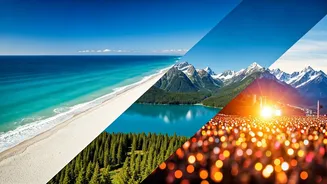
For generations, the post-nuptial getaway was synonymous with sun, sand, and sea. From the Caribbean to Hawaii, the all-inclusive beach resort reigned supreme as the ultimate symbol of romantic escape. It promised relaxation, reliable weather, and a straightforward
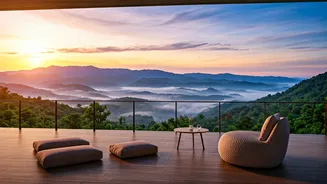
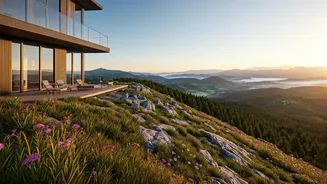
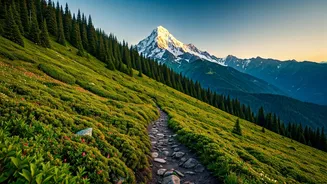
itinerary. But according to wedding planners and travel industry experts, the script is changing. While beach honeymoons remain popular, they are no longer the automatic first choice for many American couples. Instead, a significant number are looking inland and upward—toward the misty peaks of the Blue Ridge Mountains, the serene lakes of the Adirondacks, and the rugged grandeur of the Rockies. This isn't just about choosing a different destination; it's about choosing a different kind of experience altogether, one that prioritizes quiet connection and shared activity over passive sunbathing.
A Search for Solitude and Adventure
One of the primary drivers of this shift is a collective craving for space and privacy. In a post-pandemic world, the idea of a crowded resort pool or a bustling beachfront has lost some of its luster. Couples are increasingly seeking destinations that offer a sense of seclusion and a chance to disconnect from the noise of daily life. A remote cabin in Wyoming or a boutique lodge in Vermont offers a level of intimacy that a 500-room resort simply cannot. Furthermore, today's newlyweds often view their honeymoon as an opportunity for more than just rest. They want an adventure. Instead of spending a week on a lounge chair, they're opting for days filled with hiking, kayaking, exploring national parks, and discovering small-town breweries and farm-to-table restaurants. This active approach reflects a broader cultural shift toward valuing experiences over passive consumption, transforming the honeymoon from a period of recovery into the first great adventure of a marriage.
From Instagram Feeds to Itineraries
The aesthetic of the “green hill” honeymoon aligns perfectly with dominant social media trends. The romanticized, nature-centric visuals of movements like #cottagecore, #cabinlife, and #adventureawaits have powerful appeal. These online aesthetics celebrate rustic charm, cozy interiors, and breathtaking natural landscapes—all hallmarks of a mountain getaway. A perfectly filtered photo of a couple sipping coffee on the porch of a secluded A-frame cabin, wrapped in Pendleton blankets with a forest backdrop, has become a new romantic ideal. This visual language is incredibly influential, shaping desires and turning aspirational moods into bookable itineraries. For many, the trip is not just about the place itself, but about inhabiting a certain vibe—one that feels more authentic, grounded, and photogenic in a way that feels less manufactured than the standard resort selfie.
Pragmatism in a Changing Climate
Beyond aesthetics and a thirst for adventure, practical considerations are also playing a major role. Climate change is making traditional beach destinations less predictable. Heightened hurricane seasons in the Atlantic and Caribbean, coupled with soaring, often unbearable summer temperatures in many tropical locales, are making couples think twice. The prospect of a dream honeymoon being derailed by extreme weather is a significant risk. Mountain destinations, particularly in the U.S., often present a more stable and temperate alternative, especially during the popular summer and fall wedding seasons. There’s also a financial angle. While luxury mountain resorts can be expensive, a domestic road trip to a national park or a stay in a charming rental cabin can often be more budget-friendly than international flights and the all-inclusive price tag, allowing couples to have a memorable experience without starting their marriage in debt.