





The Tyranny of the Steamer Basket
For decades, “healthy eating” felt like a punishment. It was a world of subtraction, where flavor, fat, and joy were stripped away in the name of virtue. The primary tools of this trade were the steamer basket and the non-stick pan used without a drop
of oil. The result? Food that was technically nutritious but emotionally barren. Steamed asparagus that squeaked against your teeth. Skinless chicken breast cooked until it had the texture of cork. Potatoes baked until dry, a pale imitation of their crispy, golden-fried cousins. This approach to wellness is fundamentally flawed because it ignores a basic human truth: we eat with our senses. Food needs to be satisfying. It needs texture, aroma, and color. Denying these things doesn’t just make for a boring dinner; it makes healthy eating feel like a constant, draining act of self-denial. It’s a setup for failure, because nobody wants to live in a perpetual state of culinary sadness. This is the problem the air fryer, almost accidentally, set out to solve.
In Defense of Crispy
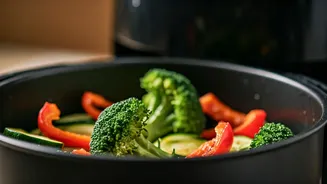
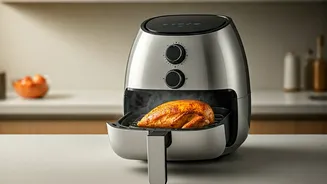
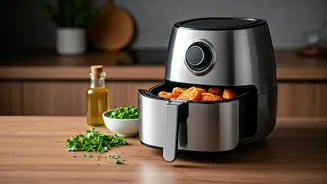
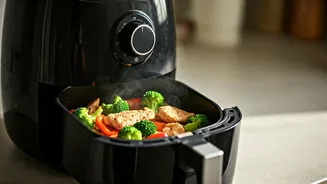
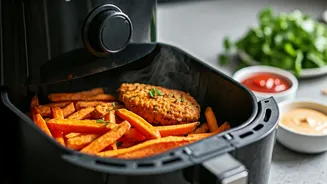
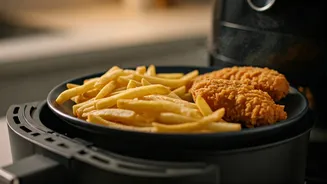
The air fryer’s magic lies in one simple, glorious achievement: it makes things crispy. Using powerful convection fans to circulate hot air at high speed, it mimics the results of deep-frying with a fraction of the oil. This process creates the Maillard reaction—that beautiful browning that gives food its complex, savory flavor. It's the same reaction that makes a seared steak or a toasted marshmallow so irresistible. Crispiness isn’t just a texture; it’s a feeling. It signals indulgence, satisfaction, and care. It’s the crunch of a perfect French fry, the crackle of well-roasted chicken skin. By delivering this coveted texture to everyday foods, the air fryer closes the gap between “what I should eat” and “what I want to eat.” It doesn’t just cook vegetables; it transforms them. That sad head of broccoli, once destined for a watery, steamed fate, now emerges from the air fryer basket as crispy, slightly charred, and utterly crave-able florets. This isn’t a small victory; it’s a revolution for the weeknight dinner table.
Rescuing the Wellness Staples
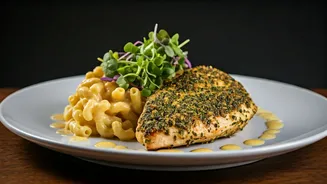
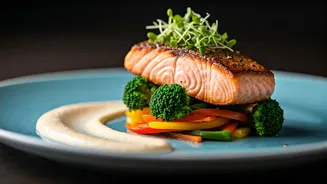
Consider the Mount Rushmore of “sad wellness foods.” Brussels sprouts, once boiled into bitter mush by our grandparents, become nutty, caramelized gems with crispy outer leaves. Cauliflower, often relegated to a bland puree, turns into savory, popcorn-like bites. Even the humble carrot gets a roasted, concentrated sweetness it rarely achieves in an oven. It’s not just about vegetables. The air fryer is a savior for lean proteins. A chicken breast, notoriously easy to overcook into a dry plank, can be cooked in under 20 minutes, emerging juicy on the inside with a seasoned, golden-brown crust. Salmon gets a perfectly crisped skin while the flesh stays tender and flaky. For plant-based eaters, it’s a game-changer for tofu and tempeh, creating a firm, chewy exterior that’s ready to soak up any sauce, banishing sogginess forever. The appliance doesn't add virtue; it adds technique, and it does so with ruthless efficiency.
The Joy of Low-Effort Cooking
Perhaps the most underrated feature of the air fryer is its convenience. Wellness fatigue is real. The pressure to shop for, prep, cook, and clean up after a healthy meal every single day is immense. The air fryer lowers that barrier to entry. It preheats in minutes, cooks faster than a conventional oven, and often requires just a single basket for cleanup. This speed and simplicity are crucial. It means that on a Tuesday night when you’re tired and tempted by takeout, you can have crispy-skinned salmon and roasted asparagus on the table in 15 minutes. That’s not just a win for your health; it's a win for your sanity. By making the *process* of cooking less of a chore, it makes the *idea* of cooking for yourself more appealing. It removes the friction between your good intentions and your exhausted reality.