




So, What Is a Kokedama?
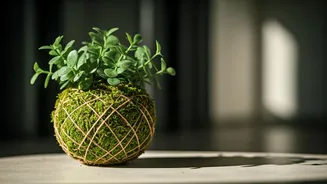
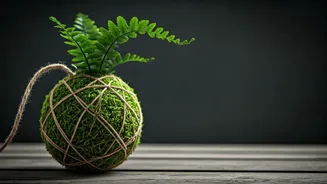
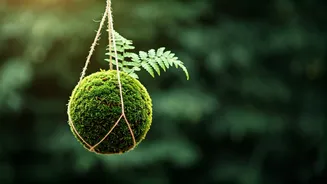
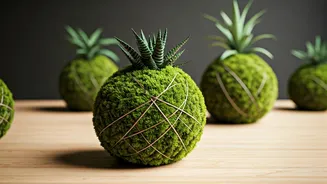
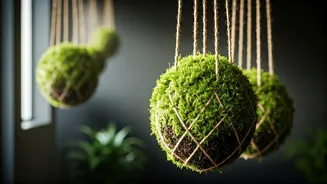
Picture a plant, but instead of a plastic pot, its root ball is encased in a sphere of soil, wrapped in a blanket of lush green moss, and bound with string. That, in essence, is a kokedama. The name translates from Japanese as 'moss ball' (koke = moss, dama = ball),
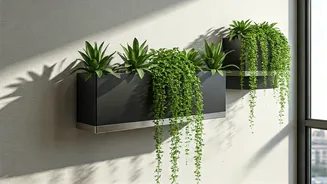
and it's a centuries-old garden art form with roots in a style of bonsai. The idea was to display a plant in a simple, natural state, allowing its form and texture to be the focus. Traditionally, they were displayed on a handmade ceramic plate or piece of driftwood. Today, however, American enthusiasts have fallen in love with a different presentation: hanging them from ceilings and windows, creating floating miniature gardens that spin gently in the air.
The Art of Slowing Down
The 'therapeutic' part of the headline isn't just marketing fluff. For many, the appeal of kokedama lies in the process. Unlike buying a pre-potted plant, kokedama invites a tactile, mindful interaction. Whether you’re making your own—a messy, satisfying process of mixing soil, molding it around roots, and wrapping it in moss—or simply caring for a pre-made one, the experience is grounding. The weekly watering ritual isn't a quick pour from a can; it involves submerging the entire moss ball in water until it’s fully saturated. This simple, focused task provides a deliberate pause, a moment to disconnect from screens and engage with something living and natural. It’s a small act of meditation that quiets the noise of city life.
A Living Sculpture for Small Spaces
For the quintessential 'urban plant parent,' kokedama solves a fundamental problem: a lack of surface area. In a small apartment, every windowsill, shelf, and tabletop is precious real estate. By going vertical, kokedama allows plant lovers to expand their collection into the air. A cluster of hanging moss balls creates a stunning visual centerpiece without cluttering a single surface. They function as living sculptures, adding a touch of wabi-sabi—the Japanese aesthetic of finding beauty in imperfection and nature—to modern interiors. Their unique, organic form stands out against the clean lines of contemporary decor, offering a soft, green counterpoint to concrete, glass, and steel.
More Than Just a Pretty Plant
The pull toward kokedama is also part of a larger trend known as biophilia—the idea that humans have an innate desire to connect with nature. In our increasingly digitized and urbanized world, we crave that connection. Indoor plants have long been a way to scratch that itch, but kokedama offers a more concentrated dose. It’s not just a plant in a pot; it’s a self-contained ecosystem you can hold in your hands. This form of 'micro-nature' can have a surprisingly powerful effect, reducing stress and improving mood by bringing a piece of the wild, untamed world indoors. It serves as a constant, gentle reminder of the natural world that exists beyond the city grid.
Getting Started with Your Moss Ball
Intrigued? Getting started is simple. Many local nurseries and online plant shops now offer pre-made kokedama featuring hardy, low-maintenance plants like pothos, ferns, or philodendrons. When it's time to water (usually once a week, or when the ball feels light), simply soak it in a bowl of room-temperature water for 10-20 minutes, until it stops releasing air bubbles. Let it drip for a bit before re-hanging. Most kokedama prefer bright, indirect light, but the specific needs will depend on the plant inside. They are surprisingly resilient and offer a unique and rewarding entry point into the world of indoor gardening.