



The Unplugged Influencer
The perfectly curated, high-gloss world of travel influencing is undergoing a significant aesthetic shift in India. For years, the goal was aspirational luxury—think five-star suites in Mumbai or beachfront villas in Goa. But a growing number of the country’s
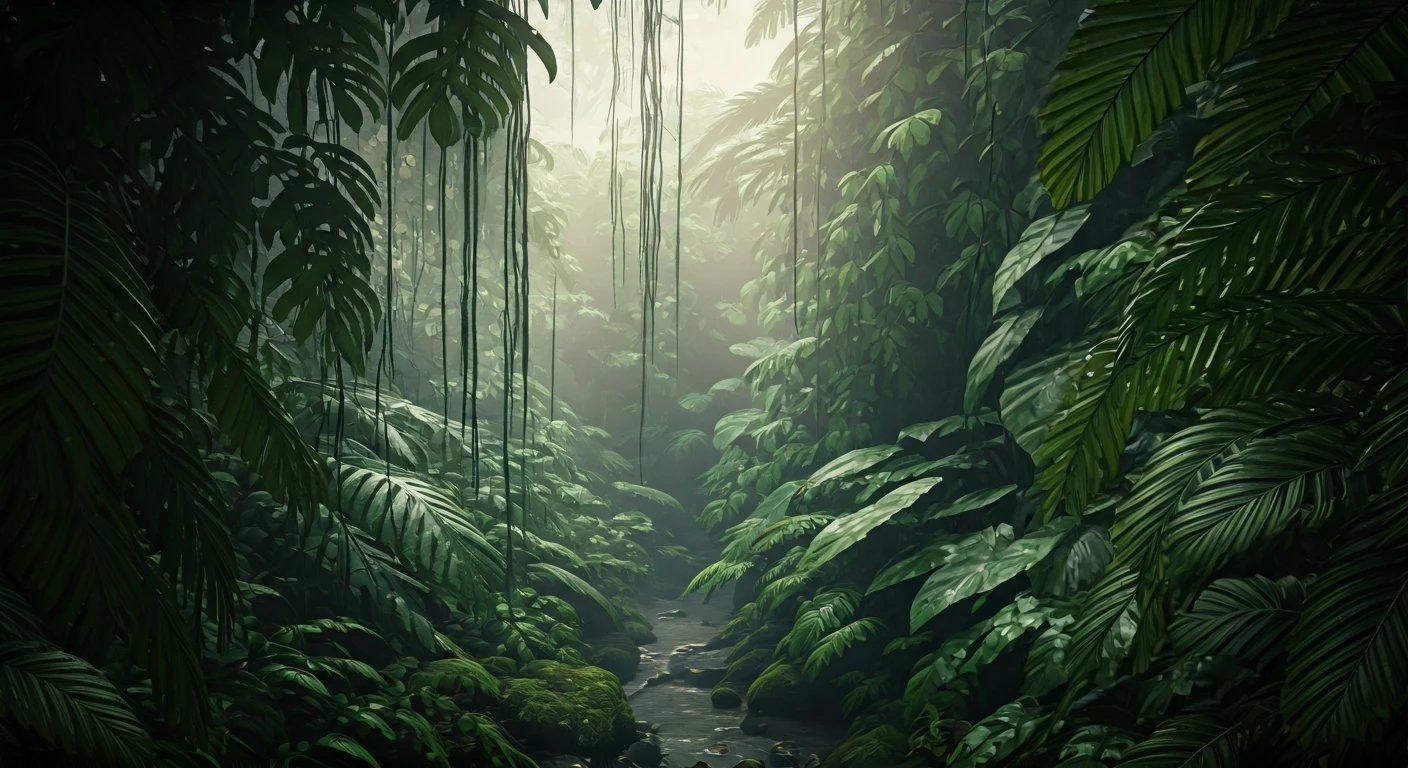
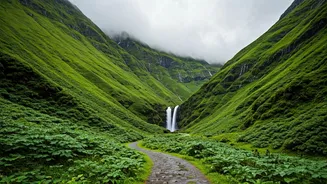
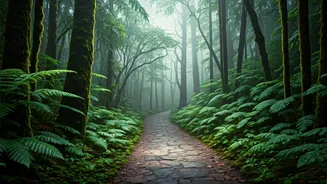
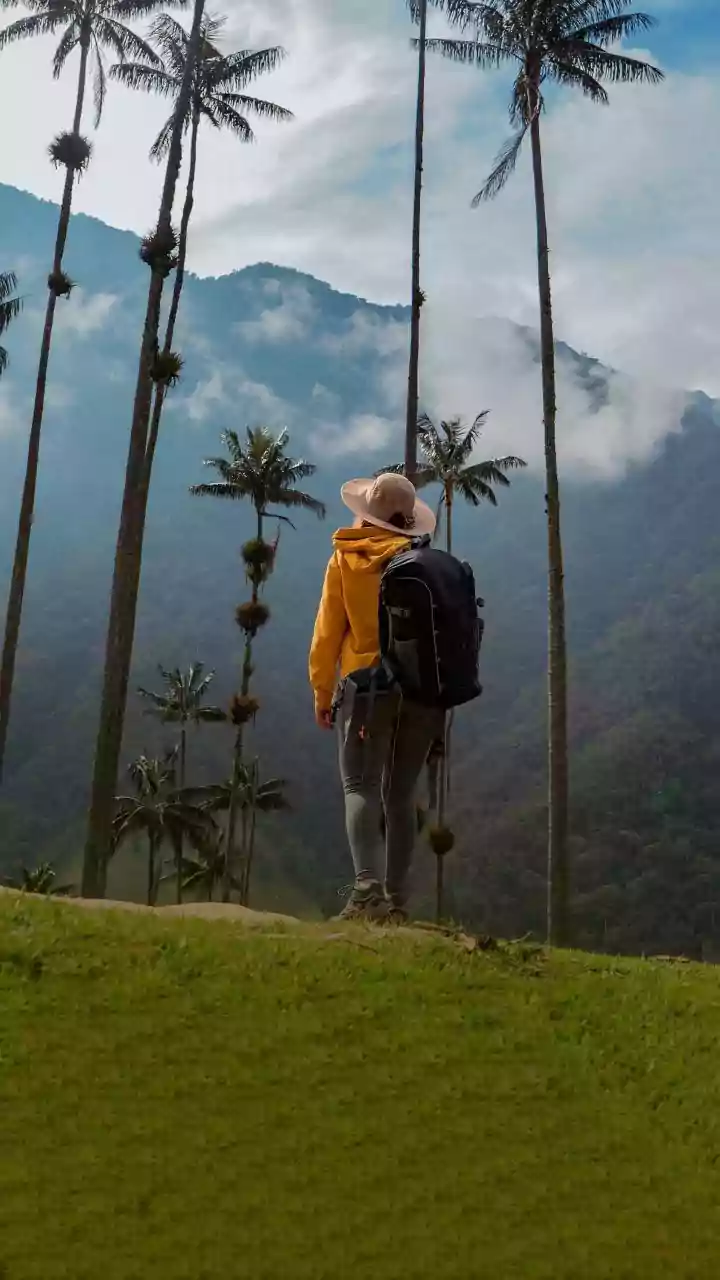
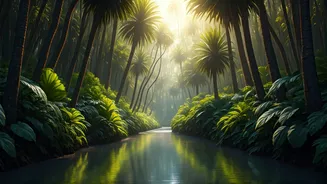
most-followed creators are now pointing their cameras inward, away from the coasts and toward the subcontinent’s vast, dense forests. They are trading sponsored cocktails for hikes through pine-scented trails in the Himalayas of Himachal Pradesh and Uttarakhand, or discovering secluded, family-run hideaways in the spice-laden Western Ghats of Kerala and Karnataka. This isn't just about a new backdrop; it's a fundamental change in the narrative, from showcasing consumption to celebrating connection—with nature, with local culture, and with oneself.
What Exactly Is a 'Forest Stay'?
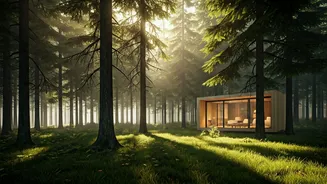
The term “forest stay” is less a specific type of building and more an ethos. It encompasses a range of accommodations united by their immersion in nature, a commitment to sustainability, and a philosophy of slowing down. These can be boutique eco-lodges constructed with local materials, remote homestays where travelers share meals with a family, or restored heritage bungalows tucked away on coffee plantations. Unlike a chain hotel, the experience is the destination. The luxury here isn’t a thread count; it’s waking up to the sound of a Malabar whistling thrush, learning about local biodiversity from your host, or enjoying a meal made from ingredients grown a few feet away. It’s an intentional move away from the anonymous, one-size-fits-all model of hospitality toward something deeply personal and place-based.
The Search for 'Real' Content
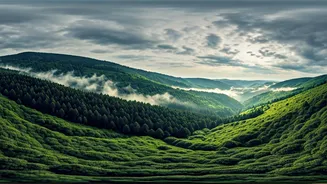
So, why the sudden pivot? For one, audiences are getting smarter and more discerning. There's a palpable fatigue with the endless performance of perfection online. A shot of a simple, misty mountain view can feel more authentic—and thus more engaging—than another staged photo by a resort pool. For creators, it’s also a response to professional burnout. The constant pressure to produce glamorous content is exhausting. A forest stay offers a genuine opportunity to disconnect, recharge, and find new, more meaningful stories to tell. In a saturated market, uniqueness is currency. A creator who can share the story of a local artisan or a rare bird sighting has a more compelling narrative than someone just showcasing another five-star lobby. This trend is the travel equivalent of the farm-to-table movement in food: a return to the source.
A Trend with Deep Roots
While influencers are amplifying the trend, the appeal of India’s forests is anything but new. For generations, Indians have sought spiritual and mental solace in nature, from ancient sages meditating in Himalayan caves to families escaping city heat in colonial-era “hill stations.” What’s different now is the infrastructure and the megaphone. A new generation of Indian entrepreneurs is building small-scale, eco-conscious properties that cater to modern travelers who want comfort without sacrificing authenticity. State governments, recognizing the economic potential, have also started promoting eco-tourism more heavily. The travel creators are simply the final piece of the puzzle, broadcasting this quieter, more introspective version of India to a global audience and validating it as a desirable, aspirational experience.