

The Drama: A Sudden, Tragic Bolt
It’s the ultimate betrayal. Your beautiful head of butter lettuce, which you nurtured from a tiny seed, decides to “bolt” at the first sign of summer. Instead of producing tender leaves, it shoots up a bitter, flowery stalk, ending your salad dreams prematurely.
This happens when the plant gets stressed, usually by heat, and switches into reproductive mode. It thinks its time is up and rushes to make seeds. The low-drama solution is threefold. First, pick the right characters for your play. Look for “bolt-resistant” or “slow-bolt” varieties of lettuce, spinach, and arugula. Seed packets and descriptions will boast about this trait. Second, give them a break from the spotlight. If your balcony gets blasted by intense afternoon sun, rig up a simple shade cloth or move the container to a spot that only gets morning sun. Finally, harvest consistently. Regularly snipping outer leaves signals to the plant that it’s still needed for salad duty, delaying its urge to bolt.
The Drama: Uninvited Dinner Guests
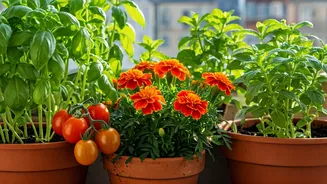
You’re not the only one who finds your leafy greens delicious. One day your kale is perfect; the next, it’s covered in tiny green or white specks—aphids—sucking the life out of your future lunch. This is where many new gardeners either give up or reach for harsh chemicals, neither of which is ideal for something you plan to eat. The low-drama solution is to fight back gently and consistently. Your first line of defense is a simple, strong spray of water from a hose or spray bottle to physically knock the pests off. For a more stubborn infestation, mix a drop of dish soap into a spray bottle of water and coat the leaves (and their undersides!). This solution breaks down the pests’ outer layer without harming the plant. For a preventative measure, consider adding a pot of marigolds or chives nearby; many pests can’t stand the smell.
The Drama: The Leggy, Desperate Seedling
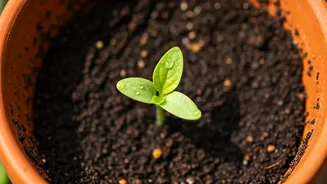
You started your seeds indoors with pride, but now they look like sad, pale noodles stretching desperately toward the window. These “leggy” seedlings are a classic sign of insufficient light. They’re putting all their energy into growing taller to find the sun, resulting in weak, spindly stems that are likely to collapse and fail once you move them outside. Don’t blame your window; most residential windows simply don’t provide enough direct, intense light for robust seedling growth. The easiest fix isn't a sunnier apartment, but a simple, affordable LED grow light. You don’t need a high-tech hydroponic setup. A basic clamp-on or strip light positioned just a few inches above the seedlings for 12-14 hours a day will give them all the energy they need to grow stout, strong, and ready for their outdoor debut. It’s the single biggest game-changer for starting seeds successfully.
The Drama: The All-or-Nothing Harvest
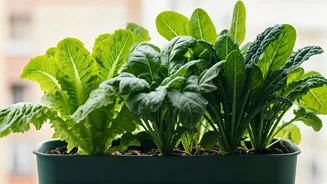
A common rookie mistake is to plant an entire packet of seeds at once, wait patiently for weeks, and then find yourself with ten heads of romaine lettuce that are all ready at the exact same time. This leads to a frantic week of eating salad for every meal before the rest of it wilts in your crisper drawer. This isn’t a sustainable harvest; it’s a race against the clock. Embrace the “cut-and-come-again” method. This works beautifully for loose-leaf lettuces, arugula, spinach, and most herbs. Instead of pulling up the whole plant, you simply snip the outer, larger leaves, leaving the central growing point intact. The plant will respond by producing more leaves from the center, giving you a continuous, manageable harvest for weeks, if not months, from the same set of plants. It transforms your garden from a one-time event into a steady, reliable source of fresh greens.
The Drama: The Wrong Home
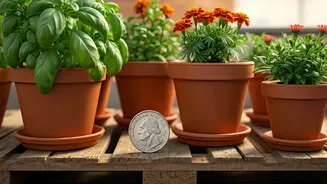
Sometimes the problem is simply the pot. A container that’s too small will dry out in hours on a hot day, stressing the plant and stunting its growth. A pot without drainage holes will trap water, leading to root rot and a slow, waterlogged death. It’s the foundational decision that sets your plants up for success or failure. The solution is to give them a proper home. For most leafy greens, a pot that’s at least 6-8 inches deep provides enough room for healthy root development. The wider the better, especially if you’re planting multiple greens together. And the non-negotiable rule: the pot must have drainage holes. If you’ve fallen in love with a decorative pot that doesn't have them, you can either drill them yourself or use it as a “cachepot”—placing a slightly smaller plastic pot with drainage holes inside the decorative one. This simple step prevents the most common watering woes.