





What is the Monsoon?
The monsoon isn't just a rainstorm; it's a massive, seasonal weather system that defines the climate for billions of people. From roughly June to September, seasonal winds shift, pulling immense moisture from the Indian Ocean over South and Southeast
Asia. This period delivers 70-80% of the entire region's annual rainfall. For a nation like India, where nearly half of the farmland is rain-fed and lacks modern irrigation, the monsoon is the lifeblood of its agricultural economy. When forecasters talk about a 'weak' or 'deficient' monsoon, they mean that rainfall is significantly below its long-term average. This is often linked to the El Niño weather pattern, a warming of the Pacific Ocean that disrupts global atmospheric circulation and tends to suppress monsoon rains.
The Agricultural Powerhouse at Risk
India is the world's largest exporter of rice, a leading producer of sugar, and a dominant force in the global spice market. A weak monsoon directly threatens the harvests of key crops. Less water means lower yields, and in severe cases, outright crop failure. The immediate impact is felt by millions of farmers whose livelihoods depend on a successful harvest. But the ripple effects travel quickly. The Indian government, wary of domestic food shortages and rising inflation, may impose export restrictions to protect its own population. We saw this playbook in 2023 when concerns over production led to a ban on non-basmati white rice exports, a move that sent shockwaves and price spikes through global markets. Fear of a weak monsoon puts similar protectionist measures on the table for a variety of commodities.
The Impact on Your Grocery List
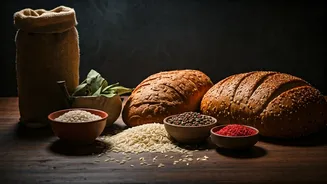
So, what does this mean for your next trip to the supermarket? The connection is most direct in the international foods aisle. The first and most obvious item is rice. The U.S. is a major importer of Indian basmati rice, a fragrant, long-grain variety that doesn't have a perfect domestic substitute. A poor harvest could lead to tighter supplies and significantly higher prices for that 20-pound bag. Beyond rice, look to your spice rack. India is the world's spice capital, exporting huge quantities of turmeric, cumin, cardamom, and black pepper. These are water-intensive crops. A drought can devastate production, making each pound of raw spice more expensive before it's even processed, packaged, and shipped. Other items like cashews, tea, and even sugar could also feel the pinch, as India is a major player in all these markets.
More Than Just Price Hikes
The fallout from a failed monsoon isn't just about paying a dollar more for curry ingredients. It highlights the fragility of our globalized food system. A localized weather event can trigger global inflation, strain supply chains, and create geopolitical tension over food security. For American businesses, from importers to restaurant owners, it creates profound uncertainty. They must decide whether to absorb rising costs, find alternative suppliers (which often don't exist for specific products like basmati), or pass the price increases directly on to consumers. Furthermore, a poor harvest in India can reduce the purchasing power of hundreds of millions of people, impacting global demand for other goods. It's a stark reminder that in our interconnected world, no economy is an island.