







What Exactly Is a Sound Bath?
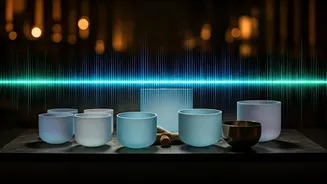
At its core, sound healing—often experienced as a 'sound bath'—is a meditative practice that uses resonant sounds to, as practitioners say, 'bathe' you in healing vibrations. Forget a top-40 playlist; this is about pure, therapeutic frequency. The instruments
are the stars: ancient Tibetan singing bowls made of metal alloys, gleaming quartz crystal bowls, deeply resonant gongs, and even tuning forks applied to specific points on the body. The goal isn't to create a melody you can hum, but to generate a layered soundscape that practitioners believe can shift your state of being. Participants typically lie on mats, close their eyes, and simply let the waves of sound wash over them. It’s part concert, part meditation, and fully immersive.
The Theory Behind the Vibrations
So, how is a ringing bowl supposed to aid in recovery? The central idea behind the practice is rooted in concepts of vibration and frequency. Practitioners believe that everything in the universe, including our bodies, carries a unique vibrational frequency. When we are stressed, sick, or out of balance, that frequency is thought to be disrupted. Sound healing aims to restore harmony by using specific tones to coax your body back into its natural, healthy resonance. Another key concept is 'brainwave entrainment,' the idea that our brainwaves can naturally sync up with the frequency of external stimuli, like the steady pulse of a drum or the drone of a singing bowl. Proponents believe this can guide the brain from an active, anxious state (Beta waves) into a more relaxed, meditative, or even sleep-like state (Alpha, Theta, and Delta waves).
From Niche Practice to Wellness Staple
While using sound for healing is an ancient practice found in cultures across the globe, its modern resurgence is firmly planted in America’s booming wellness industry. Once confined to niche yoga circles and spiritual retreats, sound baths are now a staple offering at high-end fitness clubs, corporate wellness programs, and boutique studios from Los Angeles to New York. The term 'recovery' has also broadened. While it’s sometimes used as a complementary therapy in addiction recovery centers to manage stress and cravings, its mainstream application is focused on recovery from the ailments of modern life: burnout, anxiety, and chronic stress. It offers a passive form of meditation for people who struggle to sit in silence, giving the restless mind a sound to focus on.
But Does It Actually Work?
This is the million-dollar question. While large-scale clinical trials are still limited, a growing body of preliminary research is lending credibility to what practitioners have claimed for years. A 2016 study published in the *Journal of Evidence-Based Integrative Medicine* found that an hour-long sound meditation session with Tibetan singing bowls significantly reduced tension, anger, fatigue, and depressed mood in participants. Other studies have explored how specific frequencies can influence heart rate, blood pressure, and pain perception. Most scientists agree that sound baths are exceptionally good at activating the parasympathetic nervous system, which is the body’s 'rest and digest' mode. This triggers a deep relaxation response, slowing breathing, lowering cortisol levels, and creating a sense of calm. So, while it may not 'cure' a medical condition, its ability to combat stress—a known aggravator of nearly every health issue—is very real.
What to Expect at Your First Session
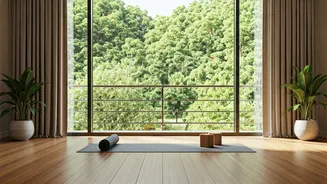
If you decide to try it, expect a calm, dimly lit room and a comfortable place to lie down. You’ll likely be offered a blanket and an eye mask to help you settle in. The facilitator will guide you through a few moments of breathwork before the sounds begin. The experience itself is unique to each person. Some report feeling a profound sense of peace, while others experience a powerful emotional release. You might feel physical sensations as the vibrations move through the floor and into your body. For some, it’s a deeply spiritual journey; for others, it's simply the best nap they’ve ever had. There’s no right or wrong way to experience it. The only instruction is to be open and allow the sounds to do their work.