

Defining the 'Grandmillennial' Look
First, let's get the terms straight. Whether you call it 'Granny Chic 2.0,' 'Grandmillennial,' or its breezy cousin, 'Coastal Grandmother,' the aesthetic is a warm, layered rejection of the stark minimalism that dominated the 2010s. Think less empty white
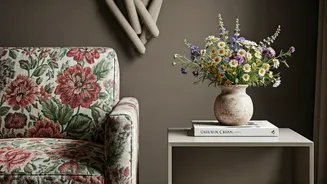
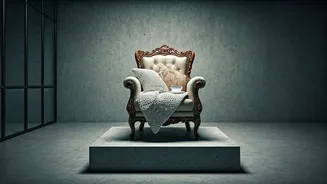
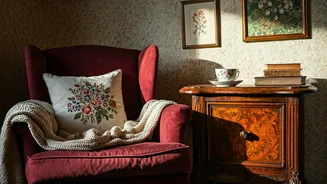
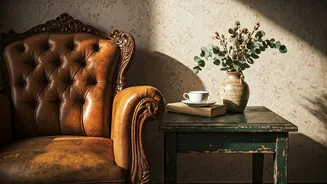
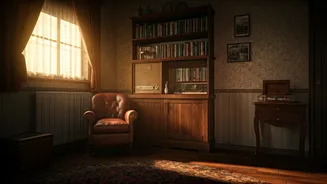
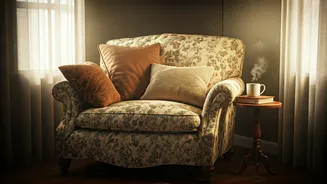
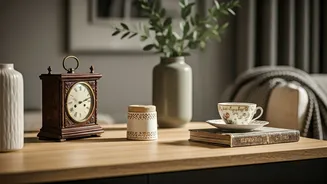
space and more curated, comfortable clutter. Key elements include floral chintz, wicker furniture, ruffled details, patterned wallpaper, and inherited-feeling dark wood pieces. It's a space filled with objects that have a story: a collection of vintage botanical prints, a stack of well-worn hardcovers, or a hand-crocheted afghan draped over a plush armchair. But this isn't a carbon copy of a senior living community. The '2.0' is crucial: the look is filtered through a modern, often ironic lens. It’s about deliberately choosing these elements, pairing a fussy antique cabinet with a sleek modern lamp, creating a space that feels personal and assembled over time, not dusty and forgotten.
The Search for Comfort and Stability
At its core, the Granny Chic trend is a deep dive into nostalgia, but not just for a specific decade. For many millennials, who came of age during periods of economic recession, political instability, and the disorienting rise of the internet, a grandparent's home often represented a sanctuary of unconditional comfort and predictability. It was the place where the cookies were always in the same tin, the furniture never changed, and the world outside felt a million miles away. By embracing this aesthetic, millennials aren't simply trying to replicate the past; they're trying to recreate that feeling of security in their own adult lives. In a world of housing insecurity and career pivots, owning a solid, beautifully crafted piece of 'old' furniture can feel more permanent and grounding than almost anything else. It's an emotional anchor in physical form.
A Reaction Against Digital Emptiness
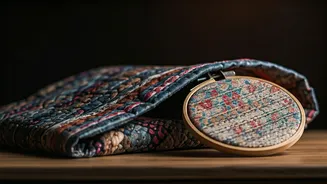
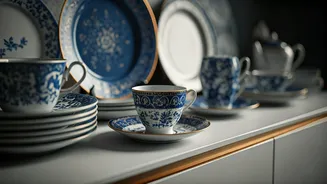
The Grandmillennial look is also a powerful antidote to digital burnout. After a decade spent curating flawless, minimalist Instagram grids and living increasingly online, there's a growing fatigue with the sleek, impersonal, and ephemeral. Granny Chic is profoundly tactile and tangible. You can run your hand over the embroidery of a pillow, feel the weight of a ceramic vase, and see the patina on a brass lamp. These are objects with texture, history, and physical presence. They stand in stark contrast to the frictionless, disposable nature of digital content. In an age of NFTs and algorithmic trends that vanish in a week, a commitment to needlepoint or collecting antique china is a radical act of slowing down. It’s a hobby that produces something real you can hold, a quiet rebellion against the endless, weightless scroll.
It's Curation, Not Just Clutter
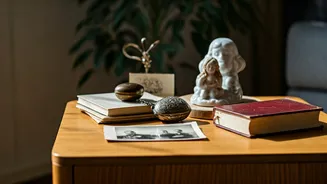
A common misconception is that this trend is just an excuse for hoarding. In reality, it’s the opposite. The ethos behind Granny Chic 2.0 is intensely personal curation. While minimalism preaches 'less is more,' the Grandmillennial mantra might be 'only keep what tells a story.' It’s about surrounding yourself with meaningful objects, whether they’re heirlooms passed down through generations or quirky finds from a thrift store. Each item is chosen, loved, and displayed with intention. This approach rejects the fast-fashion and flat-pack furniture culture that encourages consumers to buy cheap, generic items and discard them when the next trend comes along. Instead, it champions sustainability, craftsmanship, and the beauty of things that are built to last—or have already lasted for decades. It's a way of building a home that reflects a unique identity, not one that mimics a catalog.