



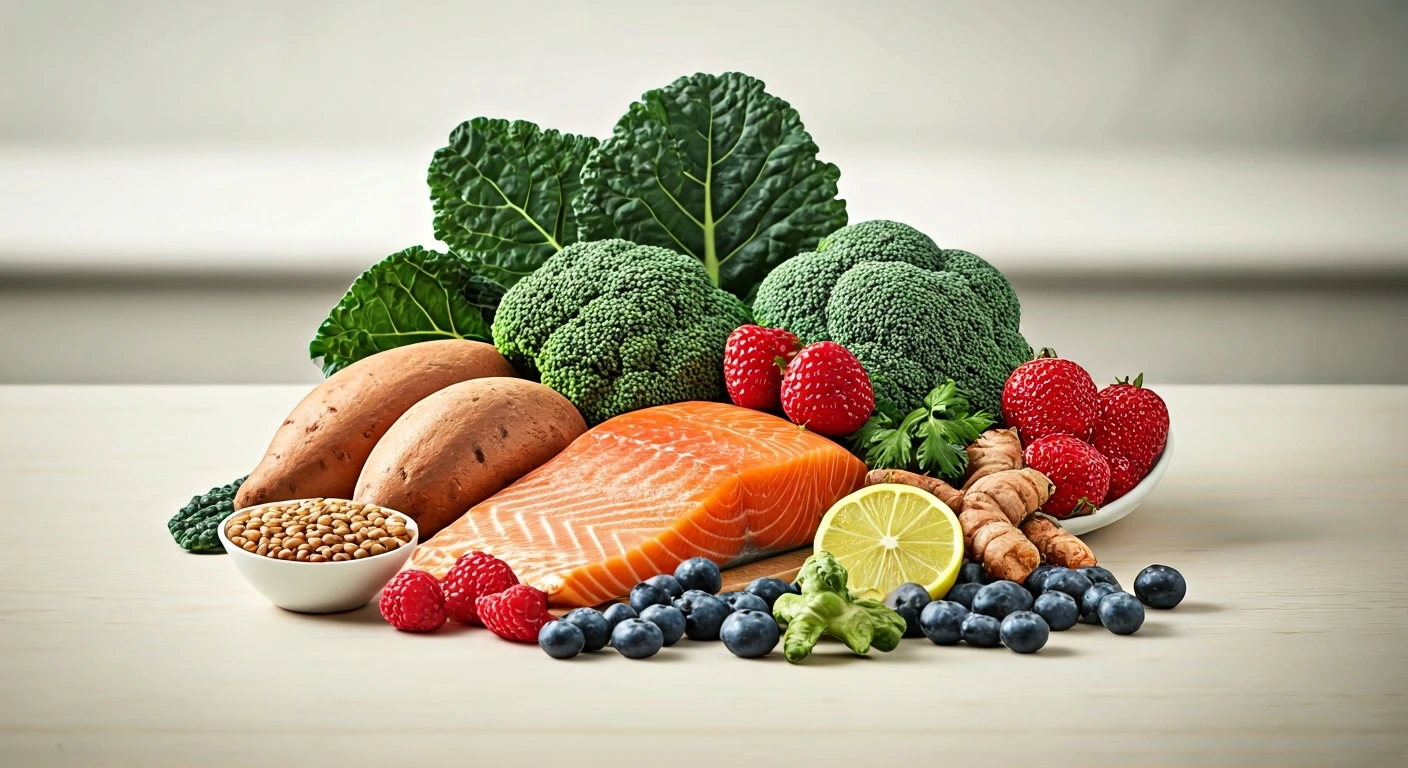

What 'Fibre-Forward' Actually Means
Forget everything you thought you knew about fiber being bland bran muffins or a gritty powder you stir into water. The 'fibre-forward' approach is a culinary mindset shift. It’s about intentionally building meals and snacks around delicious, fiber-rich
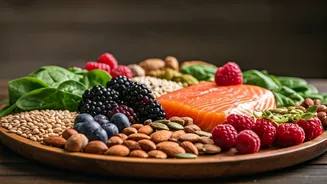
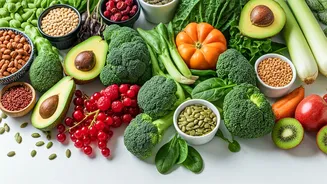
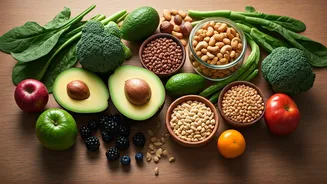
whole foods. Think vibrant salads loaded with chickpeas, hearty soups brimming with lentils and vegetables, morning oatmeal topped with berries and seeds, and choosing whole-grain bread for your sandwich not as an afterthought, but as a crucial component. It’s less of a diet and more of a guiding principle: put the plants, whole grains, and legumes at the center of your plate. This approach moves fiber from a supporting role to the main star, ensuring you’re getting the benefits without having to meticulously track grams or follow a rigid eating plan.
The Gut-Health Connection
So why all the buzz? It starts in your gut. Your digestive tract is home to trillions of microorganisms, collectively known as the gut microbiome. A healthy, diverse microbiome is linked to everything from a strong immune system to improved mood and mental clarity. And what do these beneficial gut bacteria love to eat? Fiber. Specifically, soluble fiber acts as a prebiotic, providing fuel for your good gut microbes. When they feast on fiber, they produce short-chain fatty acids (SCFAs), which are powerhouse compounds that help reduce inflammation, strengthen the gut lining, and support overall health. By prioritizing fiber, you're not just feeding yourself; you're nourishing an entire internal ecosystem that works to keep you well. This is the true 'shortcut'—by focusing on one key nutrient, you create a positive cascade of effects throughout your body.
More Than Just Digestion
The benefits of a high-fiber diet extend far beyond a happy gut. It's a surprisingly effective tool for managing several key aspects of your health. First, fiber helps regulate blood sugar levels. Because it slows down the absorption of sugar, it prevents the dramatic spikes and crashes that can leave you feeling tired and craving more sweets. Second, it's a game-changer for satiety. Fiber-rich foods are typically more voluminous and take longer to digest, helping you feel fuller for longer on fewer calories, which can be a natural aid for weight management. Finally, certain types of soluble fiber are proven to help lower LDL ('bad') cholesterol levels, which is a major win for heart health. When one simple dietary tweak can positively impact your weight, blood sugar, and heart health simultaneously, it’s easy to see why 'shortcut' is the word on everyone’s lips.
Simple Swaps to Go Fibre-Forward
Adopting a fibre-forward mindset doesn't require a complete kitchen overhaul. It’s about making small, consistent upgrades. * **Breakfast:** Instead of a plain bagel, try a bowl of oatmeal topped with a tablespoon of chia seeds and a handful of raspberries. Or swap your usual cereal for a high-fiber version and add sliced banana. * **Lunch:** Build your salad on a bed of greens, but then load it up with fiber boosters like black beans, edamame, or a scoop of quinoa. If you’re having a sandwich, choose 100% whole-wheat or sprouted-grain bread. * **Dinner:** Aim to make half your plate non-starchy vegetables like broccoli, Brussels sprouts, or leafy greens. Incorporate lentils or beans into soups, stews, and pasta sauces. Try swapping white rice for brown rice or farro. * **Snacks:** Ditch the chips and reach for an apple with almond butter, a handful of almonds, a pear, or some air-popped popcorn. Even a small serving of hummus with carrot sticks provides a significant fiber boost.
A Quick Word of Caution
If your current diet is low in fiber—as is the case for most Americans—it’s important to increase your intake gradually. Going from zero to sixty too quickly can lead to bloating, gas, and general digestive discomfort as your system adapts. Introduce one new high-fiber food every few days and be sure to drink plenty of water. Water helps fiber do its job properly, keeping things moving smoothly through your digestive tract. Think of it as a partnership: fiber adds the bulk, and water provides the flow.