





The Two Faces of the Monsoon
To an outsider, the monsoon might seem like a simple weather event: a rainy season. But for those who live under its reign, it’s the pivot around which the year turns. After months of oppressive, triple-digit heat that drains the landscape of color, the first
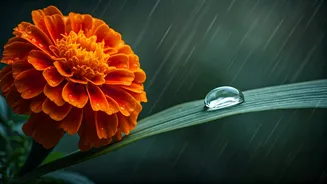
rains are a near-spiritual experience. The smell of wet earth—petrichor—fills the air, children run out to dance in the downpour, and life, for a moment, feels renewed. But the romance quickly gives way to reality. The monsoon is not a gentle spring shower; it is a relentless, months-long deluge. Skies turn a permanent, leaden gray. Humidity makes everything feel sticky and damp, mold creeps into closets, and travel becomes a logistical nightmare of flooded roads and delayed transport. This combination of life-giving water and soul-crushing gloom is the backdrop against which some of the region’s most vibrant cultural traditions unfold.
Goa’s Water Carnival: The Sao Joao Festival
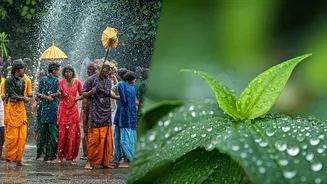
Nowhere is the defiance of gloom more apparent than in Goa during the Sao Joao festival in late June. It seems counterintuitive: celebrating the arrival of water by... jumping into more water. But that’s exactly the point. Dedicated to St. John the Baptist, who leaped with joy in his mother's womb, Sao Joao sees locals don festive floral crowns, called ‘copels,’ and leap into overflowing wells, streams, and ponds. It’s a baptism of pure joy. Accompanied by traditional music and the local cashew spirit, feni, the festival transforms the rain from a potential nuisance into the very medium of celebration. Instead of staying inside to avoid the damp, Goans embrace it, turning the waterlogged landscape into a playground. It’s a masterclass in reframing your circumstances, finding exuberance not in spite of the season, but because of it.
A Divine Procession: The Rath Yatra
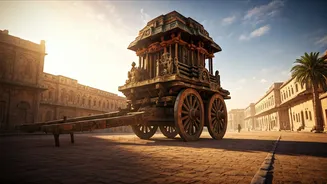
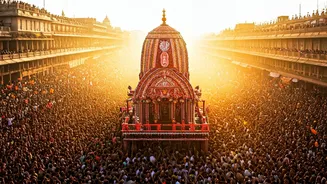
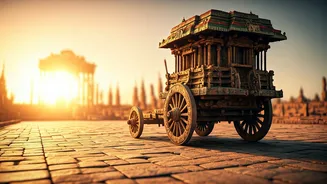
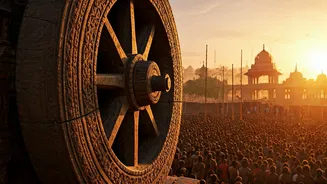
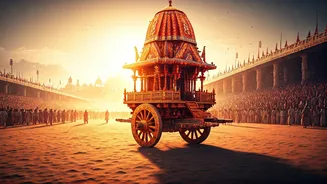
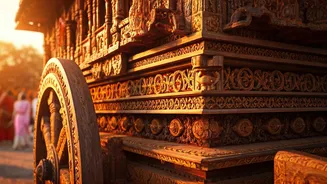
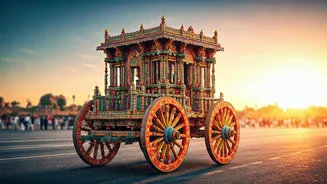
While Sao Joao is a riot of localized fun, the Rath Yatra in Puri, Odisha, is a spectacle on a staggering scale. Typically falling at the cusp of June and July, it’s one of the most important festivals in the Hindu calendar. Enormous, brightly decorated chariots, resembling temples on wheels, are pulled by thousands of devotees through the streets. These chariots carry the deities Jagannath, Balabhadra, and Subhadra on their annual journey. The energy is electric, a sea of humanity moving as one. For people who might otherwise feel confined by the incessant rains, the festival provides a profound sense of purpose and community. The act of pulling the divine chariot is a physical, collective effort that channels the season’s frustrations into an act of devotion, reminding everyone that even when the world feels smaller, faith can create boundless spaces for connection.
Celebrating Earth’s Fertility: The Ambubachi Mela
In the northeastern state of Assam, the monsoon’s arrival coincides with the Ambubachi Mela, a unique festival at the Kamakhya Temple in Guwahati. This ancient celebration is tied to a tantric belief that the earth, personified by the goddess Kamakhya, undergoes her annual menstruation during this period. The temple closes for three days to honor her time of rest and renewal. When it reopens, it draws hundreds of thousands of pilgrims and ascetics who come to celebrate the goddess’s—and by extension, the earth’s—power of fertility. The timing is no accident. The monsoon rains are what make the parched earth fertile again, allowing crops to grow. The Ambubachi Mela beautifully synchronizes human spirituality with the cycles of nature. It transforms the rain from a mere weather pattern into a sacred event, celebrating the very life force that the gloomy monsoon clouds carry within them.