
So, What Exactly Is Makhana?
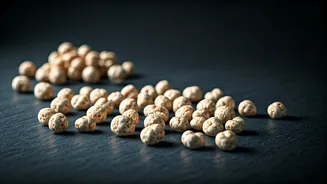
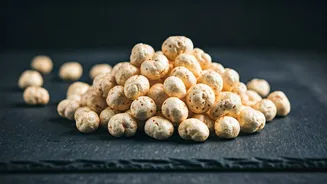
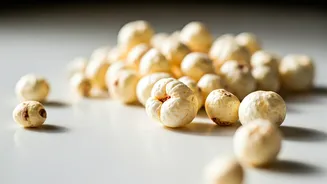
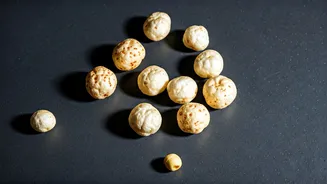
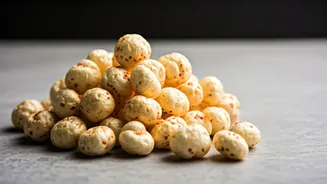
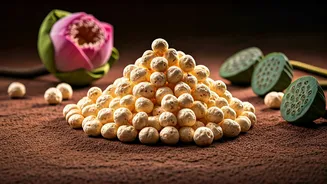
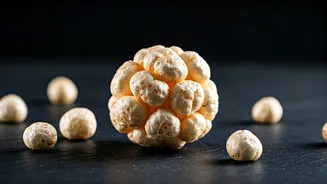
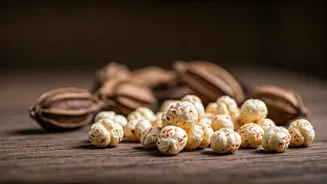
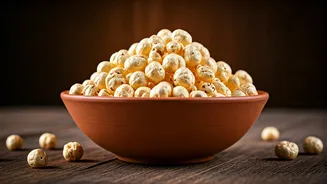
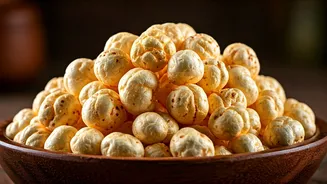
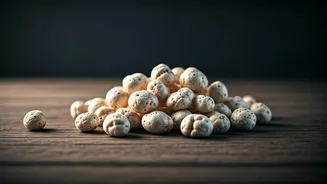
Meet makhana, also known as popped lotus seeds or fox nuts. If you’re imagining a lotus flower, you’re on the right track. These light, airy, and wonderfully crunchy puffs are the harvested and popped seeds of the water lily plant, Euryale ferox. Visually,
they look like a rustic, off-white cousin of popcorn or a giant piece of Kix cereal. But the texture is where they really shine. It’s a satisfying, styrofoam-like crunch that melts in your mouth, without the pesky un-popped kernels or hulls that get stuck in your teeth. On their own, they have a subtle, neutral flavor, making them the perfect blank canvas for a whole world of seasonings, from simple salt and pepper to spicy chili-lime or sweet caramel.
An Ancient Staple's Modern Moment
While makhana might seem like the latest invention from a Silicon Valley food lab, it’s actually an ancient food with deep roots in South Asia, particularly in the Bihar region of India. For centuries, it has been a cherished part of the local diet, used in religious ceremonies, and valued in Ayurvedic traditions for its purported health benefits. Traditionally harvested from ponds, the labor-intensive process involves collecting the seeds, drying them, and then roasting them in hot sand until they pop. This isn't a factory-line snack; it's a food with a story, a history of sustenance and cultural significance that stretches back generations. Its current “glow-up” in the West is less a discovery and more of a long-overdue introduction.
Why Is It Everywhere All of a Sudden?
Makhana’s arrival on the American snack scene couldn’t be better timed. It ticks virtually every box for the modern, health-conscious consumer. It’s naturally gluten-free, vegan, corn-free, and soy-free, making it accessible to people with various dietary restrictions. As consumers increasingly look for “whole foods” and snacks with clean, simple ingredient lists, makhana fits the bill perfectly. Smart brands have taken notice, launching packaged versions in flavors that appeal to the American palate—think Himalayan Pink Salt, Vegan Cheddar, and Smoky BBQ. They are marketing it as a “superfood snack,” positioning it not just as a tasty treat but as a guilt-free indulgence that aligns with a wellness-focused lifestyle.
More Than Just a Popcorn Alternative
Calling makhana just a popcorn substitute sells it short. From a nutritional standpoint, it stands on its own. While specific values vary by brand and preparation, popped lotus seeds are generally celebrated for being a source of plant-based protein and fiber. They are also notably low in fat and calories compared to many conventional snacks. Furthermore, they are often cited as containing minerals like magnesium and potassium. This combination can make for a more satisfying and sustaining snack, helping you feel full without the subsequent energy crash associated with sugary or high-carb junk foods. It’s the kind of snack that delivers on crunch and flavor without making you feel like you need a nap afterward.
How to Join the Makhana Movement
Ready to give it a try? You’re in luck, because it’s easier than ever to find. Look for pre-packaged, flavored makhana in the snack aisle of stores like Whole Foods, Sprouts, or even on Amazon. For a more authentic and cost-effective experience, visit your local Indian grocery store. There, you can buy plain, un-popped seeds to roast yourself at home. Simply heat a little ghee or coconut oil in a pan, toss in the makhana, and stir until they’re toasted and fragrant. From there, you can season them with whatever you’re craving—a sprinkle of curry powder, a dash of nutritional yeast for a cheesy flavor, or a drizzle of maple syrup for a sweet treat. The possibilities are endless.