


The Principle: Why Nature Calms Us
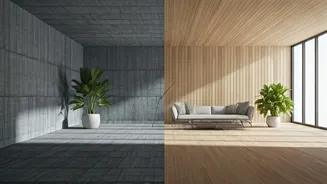
There’s a reason a walk in the woods feels so restorative. Humans have an innate tendency to seek connections with nature, a concept known as biophilia. When we can't get outside, we can bring the calming essence of the outdoors in. Biophilic design is
an approach that incorporates natural elements—materials, light, vegetation, and landscape features—into the modern built environment. Studies suggest that interacting with natural elements can lower stress, improve cognitive function, and enhance creativity. It’s not just about aesthetics; it’s about crafting an environment that supports your well-being on a psychological level. The textures, subtle imperfections, and organic forms of natural materials ground us, providing a welcome antidote to the sleek, hard surfaces of our digital lives.
Bamboo: For Sustainable Serenity
Bamboo is more than just panda food; it’s a powerhouse of sustainable design that brings a uniquely tranquil vibe. As one of the fastest-growing plants on Earth, it’s a highly renewable resource. Aesthetically, bamboo has a clean, linear look that evokes the tranquility of Zen gardens and minimalist Japanese interiors. Its light color and smooth finish can make a room feel brighter and more open. How to use it: You don’t need to install bamboo floors to get the effect. Start small. A bamboo bath tray adds a spa-like feel to your bathroom. Bamboo serving bowls or cutting boards bring a touch of nature to the kitchen. For a bigger impact, consider a bamboo ladder for draping blankets, a slender bookshelf, or a light fixture with a woven bamboo shade. Its visual lightness prevents it from overpowering a room, making it a perfect layering piece.
Jute: For Grounding Texture
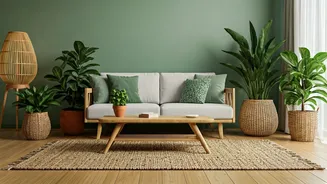
If bamboo offers sleek serenity, jute provides a warm, earthy embrace. This long, soft, and shiny vegetable fiber is spun into coarse, strong threads, making it a durable and affordable choice for home goods. Its magic lies in its texture. The thick, nubby weave of a jute rug feels wonderful underfoot, providing a gentle, grounding massage that connects you to the earth with every step. Its natural, golden-brown hue complements nearly any color palette, from neutral whites and grays to vibrant blues and greens. How to use it: The most popular application is the jute rug, which instantly adds warmth and defines a space, whether it’s under a coffee table or in an entryway. But don't stop there. Woven jute baskets are perfect for stylishly hiding clutter, from magazines to children’s toys. Jute placemats can make a simple weekday dinner feel more special, and a large jute pouf can serve as a footrest or extra seating.
Plants: For Living, Breathing Calm
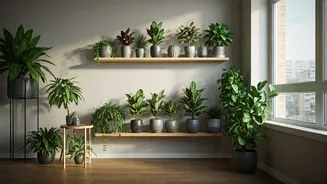
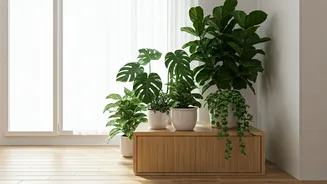
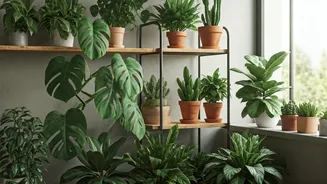
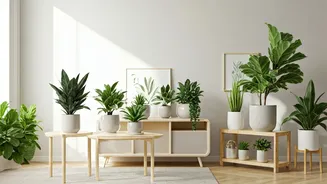
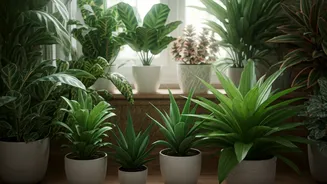
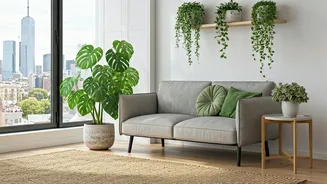
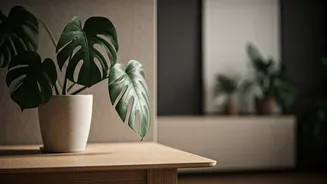
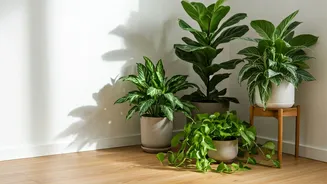
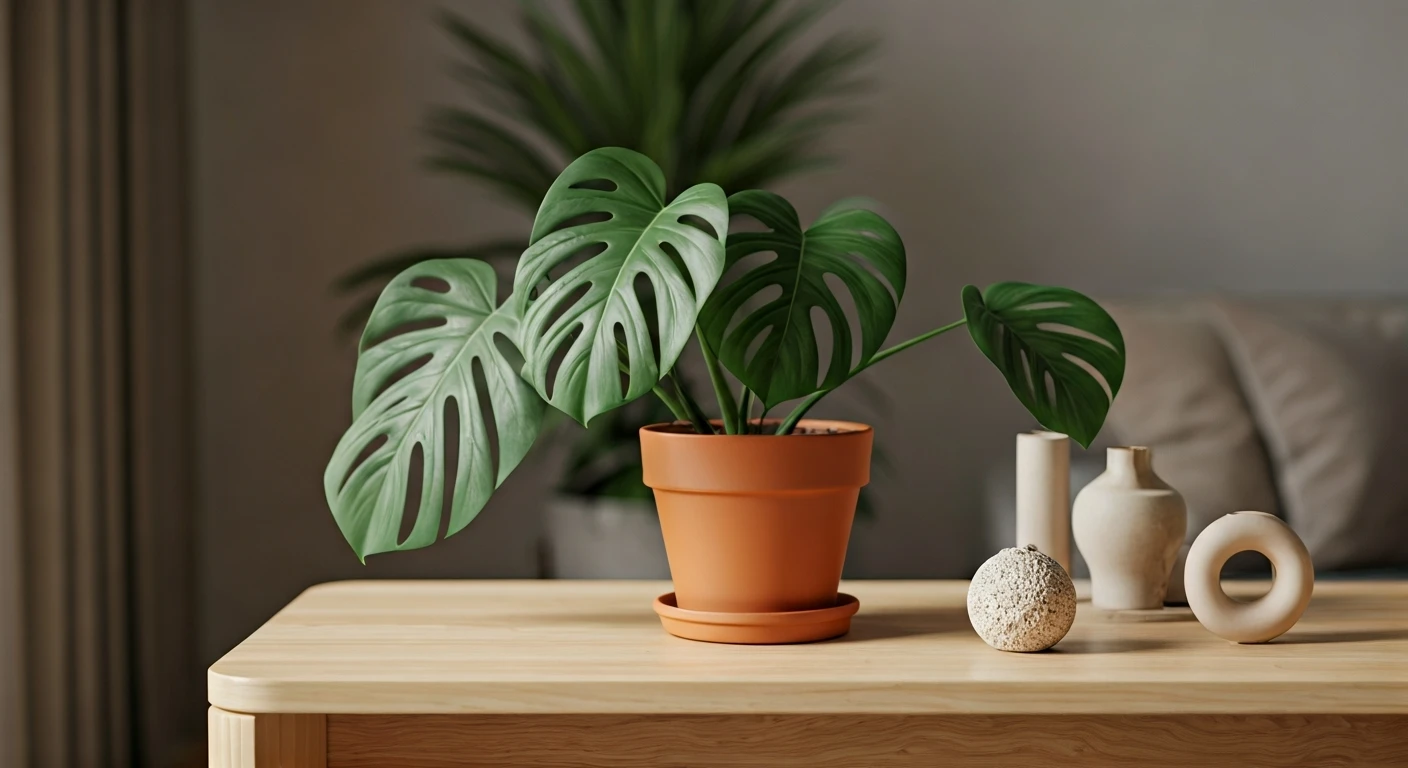
No discussion of a calm home is complete without mentioning houseplants. They are the most literal way to bring life into your space. Beyond their beauty, indoor plants have been shown to boost moods, increase creativity, and reduce stress. The simple act of caring for them—watering, pruning, watching them grow—is a meditative practice in itself. They also help, in a small way, to purify the air and add a touch of humidity. How to use them: You don’t need a green thumb to succeed. Start with famously low-maintenance varieties like the snake plant, ZZ plant, or pothos. These can tolerate a range of light conditions and forgive an occasional missed watering. Group plants of different sizes and leaf shapes together to create a lush, jungle-like corner. Place a trailing plant like a pothos on a high shelf to let its vines cascade down. Even a single, sculptural plant, like a fiddle-leaf fig, can become a stunning living focal point in a room.
Creating Harmony
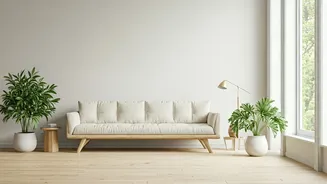
The key to using these elements is balance. You’re not trying to turn your living room into a literal forest. Instead, think of it as layering. Start with a foundational piece, like a jute rug. Add a touch of lightness with a bamboo side table or decorative tray. Finally, sprinkle in life with a few well-placed plants. Mix and match textures. The smoothness of bamboo, the roughness of jute, and the soft leaves of a plant create a rich sensory experience that is deeply calming. Let the materials be the star by keeping the surrounding color palette relatively simple and neutral.