


The Drainage Dilemma
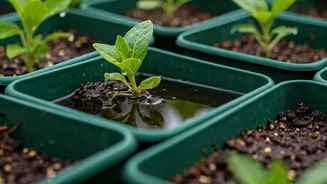
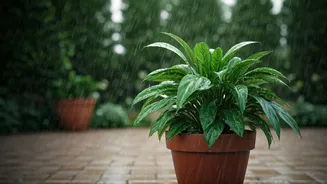
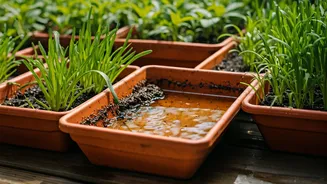
The single biggest threat to a container plant during a rainy season is drowning. While plant trays, or saucers, are essential indoors for protecting your floors, they become a liability outdoors during a downpour. Their entire purpose is to hold water—exactly
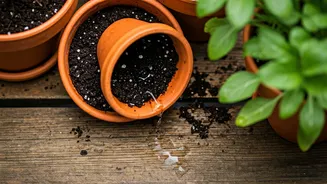
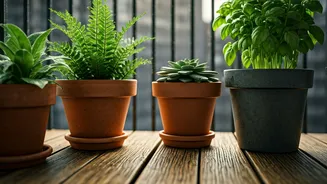
what you don’t want when nature is providing more than enough. A pot sitting in a tray full of rainwater is a recipe for root rot, a fungal disease that suffocates the plant’s root system and can quickly turn a thriving plant into a sad, yellowed mess. Your first and most important check is simple: get rid of the trays. For the duration of the monsoon season, either remove the saucers from beneath your outdoor pots entirely or make a daily habit of tipping them out after every storm. While you’re at it, gently tip each pot to ensure its drainage holes aren’t clogged with compacted soil or old roots. If water isn't flowing freely out the bottom, your plant is in the danger zone.
Give Your Pots a Lift
Even without a tray, a pot sitting flush against a patio, deck, or patch of dirt can have its drainage impeded. Surface tension can cause water to pool at the base, effectively creating the same soggy conditions as a water-filled saucer. This is where elevation becomes your best friend. The goal is to create an air gap beneath the pot to allow water to escape and air to circulate. You don’t need anything fancy. Simple “pot feet,” which are small wedges of terracotta or plastic, are an elegant solution. A few bricks, flat stones, or even scraps of wood can do the same job. By lifting your containers just an inch or two off the ground, you ensure that gravity can do its work, pulling excess water away from the delicate root system. This small adjustment is one of the most effective preventative measures you can take.
Deter a Pest Paradise
Standing water isn’t just bad for your plants; it’s an open invitation for pests. A plant tray filled with stagnant rainwater is the perfect breeding ground for mosquitoes, which can go from egg to adult in about a week. By allowing trays to hold water, you could be inadvertently creating a mosquito nursery right on your porch. Emptying those trays is a matter of public health as much as plant health. Soggy soil is also a magnet for fungus gnats and can encourage other problems like slugs and snails. Keeping the area around your pots dry and well-aerated makes it a far less hospitable environment for the pests that thrive in damp conditions. A dry pot base is a healthy pot base, both for the plant inside it and the ecosystem around it.
Check for Wind and Stability
Monsoon season isn’t just about rain; powerful downdrafts and gusty winds often accompany the storms. A tall, top-heavy plant in a relatively small pot is a tipping hazard. If it’s sitting in a water-logged tray, it’s even less stable. A strong gust can send it crashing to the ground, breaking a favorite pot and potentially snapping the plant’s main stem. Your safety check should include a stability test. Give your larger pots a gentle nudge. Do they feel wobbly? If so, consider moving them to a more sheltered location, like against the wall of the house or in a corner protected from the prevailing wind. Another effective strategy is to group several pots together. Huddled in a cluster, they provide mutual support and are far less likely to be toppled by a sudden gust. For pots on railings or ledges, double-check that they are secure and cannot be blown off, creating a hazard for anyone below.
Look Beyond the Tray
Finally, consider the tray's impact on its surroundings. A constantly overflowing saucer can cause problems for your home, not just your plants. If the pot is on a wooden deck, the perpetual dampness can lead to wood rot over time. The minerals and soil that leach into the runoff can leave stubborn stains on concrete patios, brickwork, or composite decking. This is a good time to assess where your pots are located. Are they under an eave where they might get double the water from roof runoff? Is a large, heavy pot sitting on a part of your deck that isn't reinforced? Thinking about the pot and tray as part of a larger system will help you catch potential issues before they become expensive repairs. Moving a pot a few feet might save you from having to refinish your deck or pressure-wash your patio later.