






From Akhadas to Instagram Feeds
For decades, mainstream fitness in India followed a predictable script. Men’s fitness was often associated with traditional wrestling gyms (akhadas) or the hyper-masculine world of bodybuilding. For women, the options were even narrower: yoga for flexibility,
brisk walks for cardiovascular health, or perhaps a dance aerobics class. Lifting heavy weights was widely seen as unfeminine, something that would make women ‘bulky’—a perception reinforced by both cultural norms and Bollywood’s portrayal of willowy heroines. The gym itself was often an intimidating, male-dominated space. But that script is being aggressively rewritten, page by page, rep by rep.
The Rise of the Female Lifter
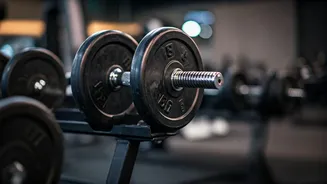
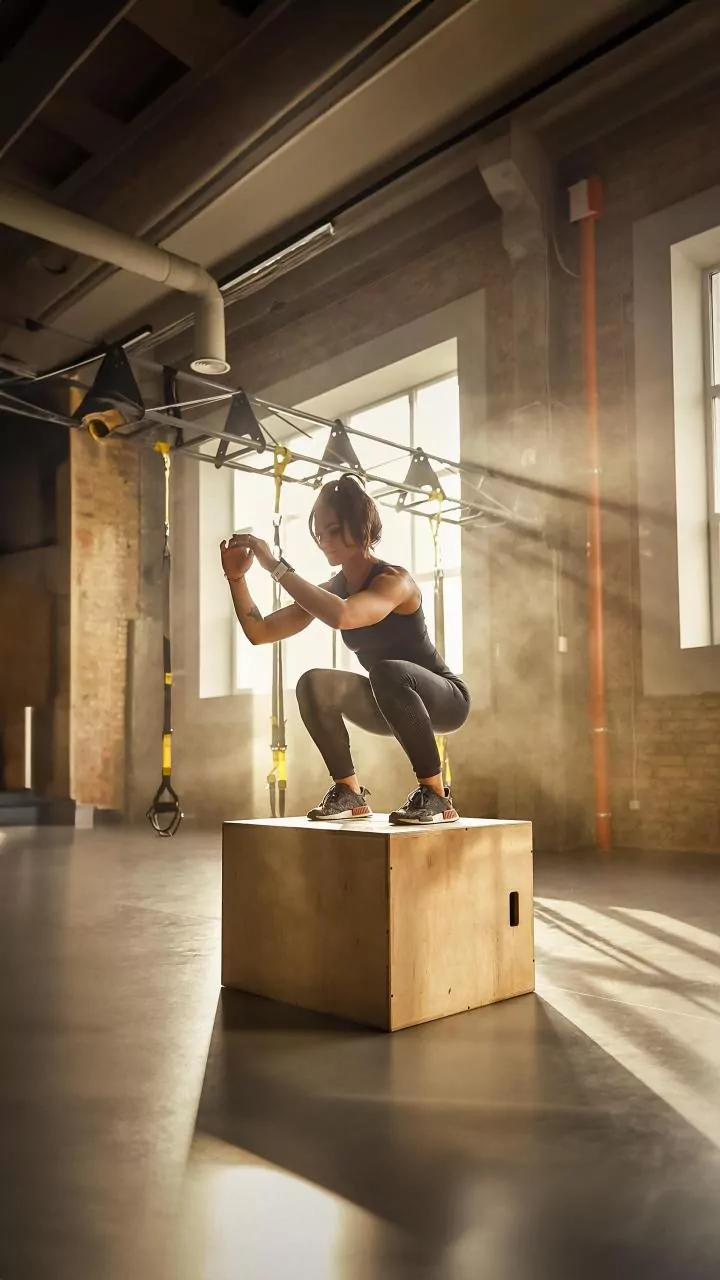
The most dramatic shift is the explosion of women embracing the barbell. Walk into a modern Indian gym today, and you’re just as likely to see a woman in her twenties deadlifting as you are a man curling dumbbells. This change is fueled by a powerful counternarrative circulating online: strength is not a masculine trait. Female fitness influencers, with hundreds of thousands of followers, post videos of their personal bests and share nutritional advice, demystifying the process. They’ve reframed lifting not as a tool for building massive physiques, but for gaining confidence, improving metabolic health, and achieving a sense of physical autonomy. This message of empowerment is resonating deeply, particularly with a generation of young, urban women navigating new professional and personal freedoms.
Social Media as the Great Equalizer
You can’t talk about India’s fitness boom without talking about the smartphone. With some of the world's cheapest data plans, millions of Indians on Instagram and YouTube have direct access to a global fitness conversation. Local influencers have adapted this content for an Indian audience, offering workout plans, debunking myths, and creating a virtual community of support. Seeing someone who looks like you and lives in a similar city lift a weight you thought was impossible makes the goal feel attainable. This digital accessibility has circumvented traditional gatekeepers, providing free-flowing information that has proven more powerful than decades of ingrained cultural skepticism.
It's Not Just a Big City Thing
While the trend may have started in metropolises like Delhi and Bangalore, its true power lies in its expansion into Tier-2 and Tier-3 cities—places like Lucknow, Jaipur, and Coimbatore. The growth of affordable, no-frills gym chains and fitness startups has put quality equipment within reach of the nation’s growing middle class. A heightened post-pandemic awareness of health and immunity has also made fitness less of a luxury and more of a necessity for many. In these smaller cities, the gym is becoming a new kind of social space, a place where young people can invest in themselves in a way that feels modern and aspirational, separate from more traditional community centers.
More Than Just Muscle
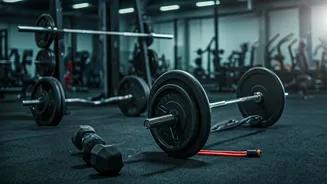
Ultimately, the lifting boom is a proxy for a larger cultural transformation. It represents a shift from a collective, community-focused mindset to one that also values individual improvement and self-care. For many, particularly women, building physical strength is directly linked to building mental resilience and challenging societal expectations about what they can and should do with their bodies. The discipline of tracking progress in the gym—adding another plate to the bar, hitting a new personal record—offers a tangible sense of control and achievement in a world that can often feel chaotic. It’s a quiet rebellion played out in squat racks across the country.