






Beyond the Bleeding Burger
For the past few years, the 'plant-based' conversation has been dominated by high-tech meat analogues—burgers that 'bleed' beet juice and sausages engineered to mimic pork. While those innovations grabbed headlines, a more fundamental shift was taking
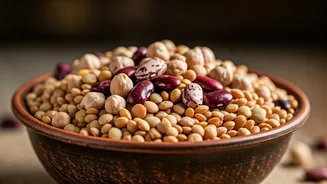
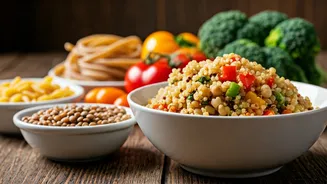
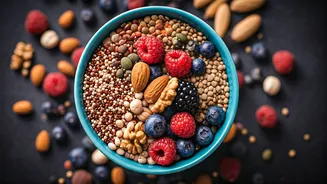
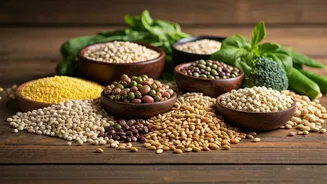
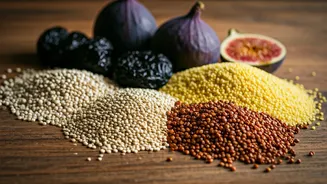
root. The real story isn't just about replacing meat; it's about rediscovering the power and versatility of whole foods. We're not just talking about sad, boiled broccoli on the side. We're talking about hearty grain bowls with farro and quinoa, rich lentil stews that satisfy for hours, and creative vegetable preparations that steal the show. This trend is less about lab-grown substitutes and more about celebrating the inherent flavor, texture, and nutritional value of a pantry that has sustained humanity for millennia. It represents a move toward culinary authenticity over pure imitation.
The New Economic Reality
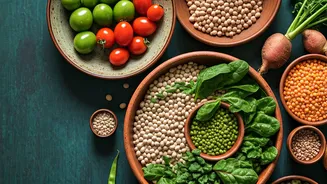
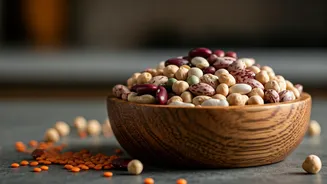
One of the most powerful drivers of this shift is simple economics. As grocery bills climb and the price of meat remains stubbornly high due to supply chain complexities and production costs, consumers are naturally seeking affordable, nutritious alternatives. A bag of lentils, a can of chickpeas, or a sack of brown rice can form the base of multiple meals for a fraction of the cost of a few pounds of ground beef or chicken breasts. This isn't just a choice for the budget-conscious; it's becoming a smart financial strategy for middle-class families feeling the pinch. Food brands and grocery stores are responding, expanding their selections of bulk grains, diverse legumes, and pre-prepped vegetables. The 'value' proposition of these staples has never been stronger, transforming them from a fallback option into a first choice for savvy shoppers.
Climate Consciousness Hits the Kitchen
You can't scroll through social media or watch the news without confronting the realities of climate change, and that awareness is increasingly influencing what we put on our plates. Younger consumers, in particular, are making dietary choices with the planet in mind. The data is compelling: producing a pound of lentils emits a tiny fraction of the greenhouse gases required for a pound of beef. Growing vegetables and grains is vastly more efficient in terms of land and water use compared to raising livestock. This 'climate calculation' is turning the dinner table into a form of quiet activism. Choosing a black bean burger or a hearty vegetable curry is no longer just a dietary preference; for many, it's a small but meaningful vote for a more sustainable food system. This ethical dimension adds a powerful layer of motivation that short-lived diet fads often lack.
The Wellness and Gut Health Boom
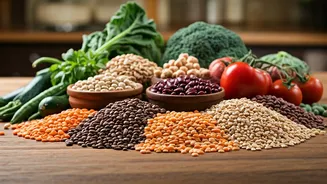
The wellness industry has a new obsession: fiber and gut health. Scientific understanding of the microbiome—the trillions of bacteria living in our digestive tract—has gone mainstream. And what do these beneficial bacteria love to eat? The complex carbohydrates and fiber found abundantly in whole grains, legumes, and vegetables. Diets rich in these foods are linked to a host of benefits, from improved digestion and a stronger immune system to better mental health and a lower risk of chronic diseases. This isn't your grandmother's bran muffin lecture. It's a modern, science-backed movement that positions these food groups as essential for optimal health. As Americans become more proactive about their well-being, the foods that fuel a healthy gut are naturally becoming the stars of their diets.
Chefs and Creators Lead the Way
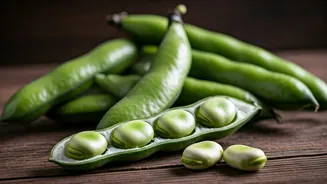
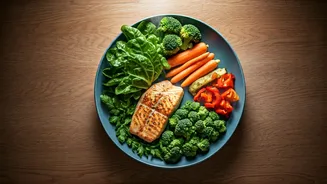
Perhaps the most exciting piece of the puzzle is the explosion of culinary creativity. For decades, vegetables were relegated to a supporting role, often overcooked and under-seasoned. Today, innovative chefs and popular food bloggers are treating them with the respect once reserved for a prime cut of steak. We're seeing fire-roasted cabbage wedges served with complex sauces, crispy smashed potatoes becoming a viral sensation, and whole roasted cauliflower emerging as a stunning centerpiece. Legumes are being transformed into silky smooth hummus, savory pancakes, and rich, meatless bolognese sauces. This culinary renaissance is showing Americans that a plate centered on grains, legumes, and veggies isn't about deprivation—it's about an expansion of flavor, texture, and possibility.