

What Is This Green Superfood?
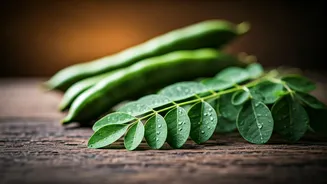
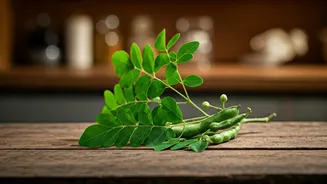
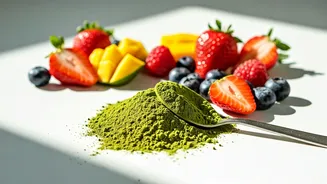
If you’ve browsed the aisles of a health food store recently, you’ve likely seen it: a vibrant green powder called moringa. Hailing from the Moringa oleifera tree, native to parts of India and Africa, this plant has been used in traditional medicine and cooking
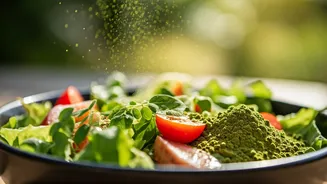
for centuries. Often called the “drumstick tree” or “miracle tree,” nearly every part of the plant is edible and useful, but its leaves are what have captured the attention of the global wellness community. The leaves are typically dried and ground into a fine powder, which has a mild, earthy flavor reminiscent of spinach or matcha. What makes moringa so popular is its dense nutritional profile. It’s a rich source of vitamins A, C, and E, along with minerals like calcium, potassium, and iron. It is also packed with antioxidants, compounds that help protect your body's cells. While no single food is a magic bullet, incorporating moringa is a simple way to add a concentrated dose of plant-based nutrients to your diet.
Power-Up Your Parathas
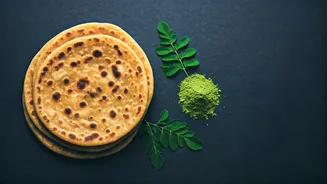
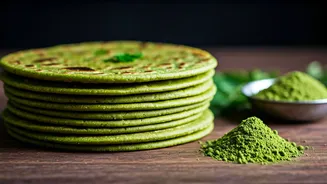
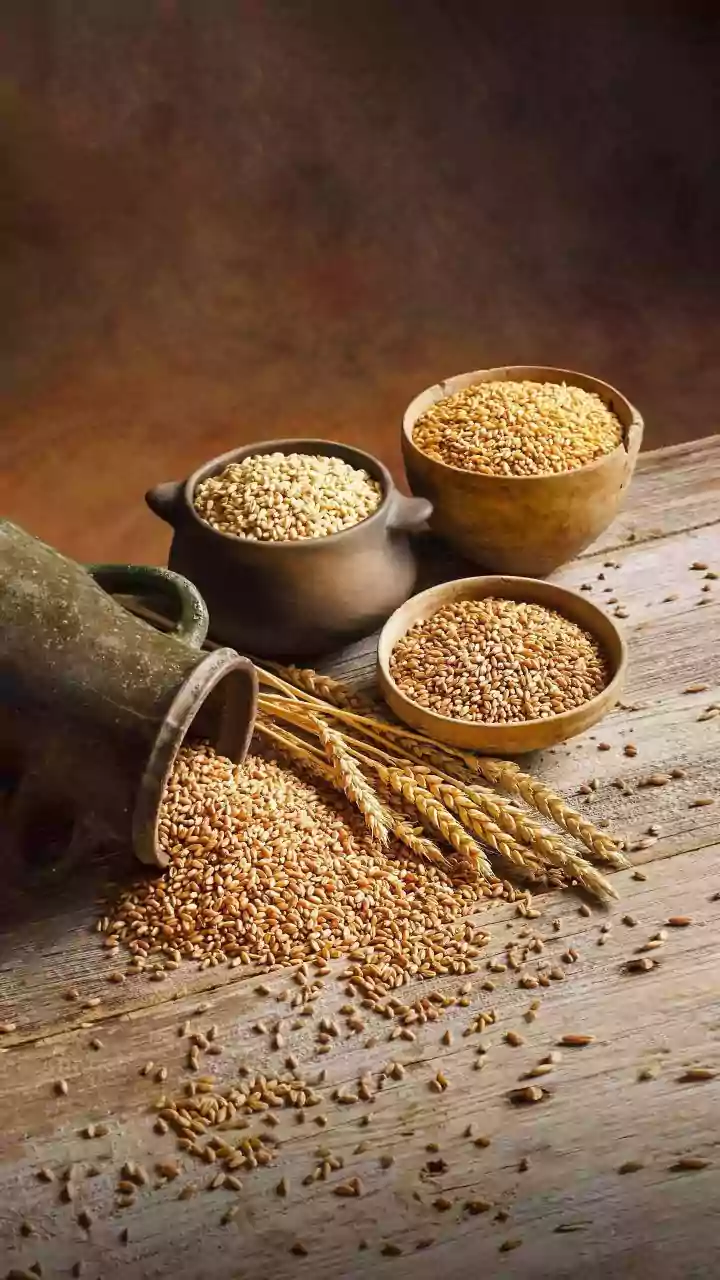
Parathas, the flaky, layered flatbreads that are a staple in many South Asian households, are the perfect vehicle for a moringa boost. Their savory flavor profile easily absorbs the earthy notes of the green powder, making the addition almost unnoticeable to the palate but significant for nutrition. There are two easy ways to do this. The first method is to add moringa powder directly to the whole wheat flour (atta) when making the dough. A good starting point is one tablespoon of moringa powder for every cup of flour. Simply sift it in with the flour and a pinch of salt, then knead with water and a little oil as you normally would. The dough will take on a lovely pale green hue. Alternatively, if you’re making stuffed parathas with fillings like spiced potato (aloo) or paneer, you can mix the moringa powder directly into the filling. This method allows you to be more generous with the amount, adding a vibrant color and nutrient kick to the core of the bread.
A Cooler, Greener Raita
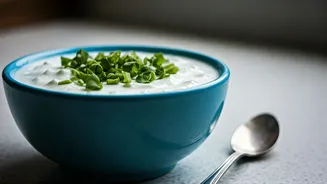
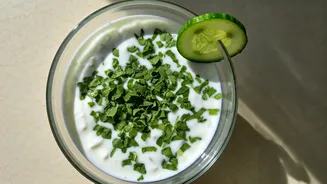
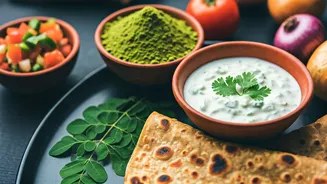
Raita, the cooling yogurt-based side dish, is essential for balancing the heat and spice of a hearty Indian meal. It’s also an incredibly simple place to introduce moringa. The creamy tang of the yogurt pairs surprisingly well with moringa’s green taste, creating a dip that’s both refreshing and revitalizing. To make a moringa raita, start with a cup of plain yogurt. Whisk it until smooth to remove any lumps. Then, stir in about one or two teaspoons of moringa powder. Because the powder can clump, you might want to make a small paste with a tablespoon of water before mixing it into the larger bowl of yogurt. From there, customize it as you would any raita. Add finely chopped cucumber, mint, and a sprinkle of roasted cumin powder. A pinch of black salt (kala namak) can elevate the flavor even further. The result is a creamy, nutrient-dense dip that’s perfect alongside biryani, kebabs, or a spicy curry.
Energize Your Everyday Sabzi
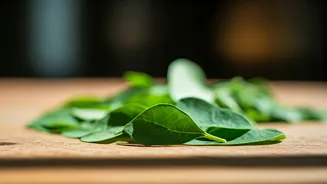
Sabzis, or vegetable-based curries, are a cornerstone of daily meals across India. From simple potato and pea stir-fries to complex mixed vegetable kormas, these dishes are already healthy. Adding moringa just takes them to the next level. If you can find fresh moringa leaves at an Indian or international grocery store, you can treat them just like spinach. Wash them thoroughly and stir them into your sabzi during the last five minutes of cooking, allowing them to wilt without losing all their nutrients. If you're using moringa powder, the key is to add it at the end of the cooking process. High heat can diminish some of its delicate vitamins. Once your vegetables are tender and the gravy is ready, turn off the heat and stir in a tablespoon of moringa powder. Let it sit for a minute to dissolve into the sauce. This method works beautifully with lentil dishes (dal) as well, thickening them slightly and adding a deep, earthy undertone that complements the spices.