




A Nation Under Siege by Heat
Imagine a heat so relentless it rewrites daily life. In cities like New Delhi, Jaipur, and across the vast northern plains, this has been the reality for months. Temperatures have consistently soared past 110 degrees Fahrenheit, even touching a staggering
126°F in some areas. The sun isn't just a nuisance; it's a threat. Asphalt melts, water sources dwindle, and the power grid groans under the strain of millions of air conditioners running non-stop. Schools have closed, outdoor work has become a life-or-death calculation, and hospitals are seeing a surge in heat-related illnesses. For most of India, summer has transformed from a season into a state of emergency, a suffocating dome of heat that offers no escape.
An Oasis Above the Clouds
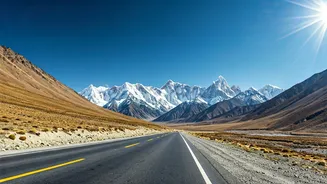
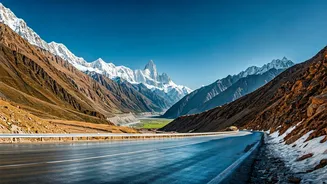
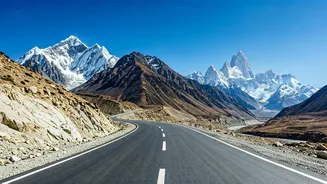
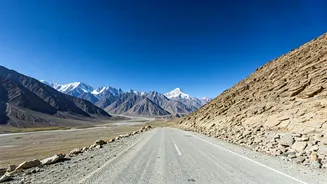
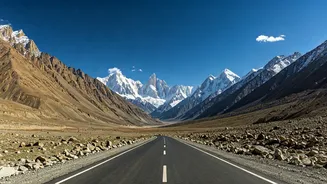
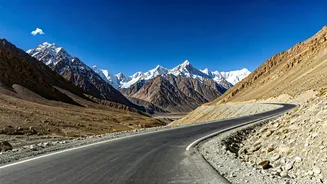
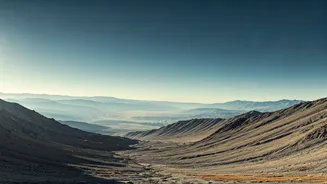
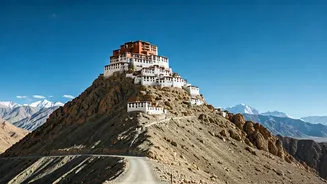
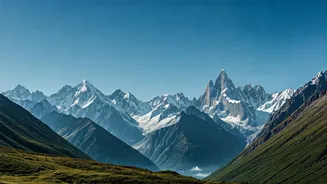
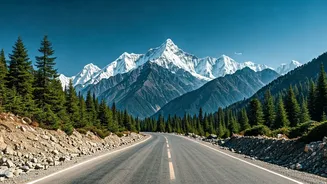
Meanwhile, nearly 11,500 feet above sea level, life in Leh, the capital of the Ladakh region, feels like it’s happening on another planet. Here, the air is thin, crisp, and cool. While Delhi bakes, Leh enjoys pleasant daytime temperatures in the 60s and 70s. The sky is a piercing, high-altitude blue, framed by stark, snow-dusted peaks. Instead of the drone of AC units, the air is filled with the sound of wind whipping through prayer flags and the gentle murmur of mountain streams. The city, a historic outpost on the Silk Road, is a labyrinth of monasteries, cozy cafes, and guesthouses. It’s a place where you need a light jacket in the evening, a concept that sounds like pure fantasy to those on the plains below. Leh isn't just cooler; it represents a different state of being—calm, breathable, and serene.
The Great Climate Migration
It’s no surprise, then, that a massive internal migration is underway. As the heat becomes unbearable, those with the means are fleeing to the mountains. Leh, along with other Himalayan destinations like Shimla and Manali, has seen an unprecedented surge in domestic tourism. Flights into Leh's small airport are packed. Hotels are booked solid. The winding mountain roads are choked with cars carrying families desperate for a reprieve. They are not just tourists seeking adventure; they are climate refugees, even if only for a few weeks. This new wave of “heatwave tourism” is a direct response to a changing climate, a preview of how populations may shift to escape extreme weather in the years to come. For many, the long, arduous journey to Ladakh is no longer a choice but a necessity for surviving the summer.
Paradise Under Pressure
But this high-altitude paradise is perilously fragile. The very thing that makes Leh so attractive—its remote, pristine environment—is threatened by its newfound popularity. Ladakh is a cold desert, and water is an incredibly scarce resource, largely dependent on glacial melt. The sudden influx of tens of thousands of visitors puts an immense strain on the local water supply, which is already under pressure from climate change shrinking the region’s glaciers. Waste management is another looming crisis; the region lacks the infrastructure to process the mountains of plastic and other trash generated by the tourist boom. The traffic clogs narrow roads, and the delicate ecosystem is being trampled. Leh is “sitting pretty” for now, but the flood of climate-driven tourism is creating a paradox: the escape to safety is slowly eroding the very sanctuary people are running to.