


First, A Gut Check
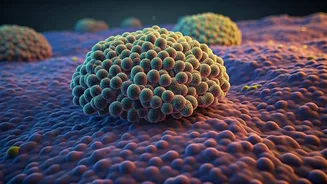
Before we talk about food, let's talk about the world inside you. Your gut is home to trillions of microorganisms—bacteria, fungi, and viruses—collectively known as the gut microbiome. Think of it as a bustling, microscopic city. When this city is in balance,
with a diverse population of 'good' citizens, it helps with digestion, supports your immune system, and may even influence your mood. When it's out of balance, problems can arise, from digestive upset to inflammation. The goal of any gut-health strategy, whether it’s a supplement or a meal, is to help the good citizens thrive.
Probiotics vs. Prebiotics: The Real Story
This is where the confusion often starts. Probiotics are the live, beneficial bacteria themselves—the 'good citizens' you can add to your gut city. They're found in supplements and fermented foods like yogurt and kefir. But here's the crucial part: those new citizens need something to eat. That’s where prebiotics come in. Prebiotics are types of fiber that your body can't digest but your good gut bacteria absolutely love to feast on. They are the food, fuel, and fertilizer for the good microbes already living in your gut. Probiotic supplements are like air-dropping new residents into the city; a prebiotic-rich diet is like making sure the city is a wonderful place to live, with plenty of resources for everyone.
Why Your Plate Trumps a Pill
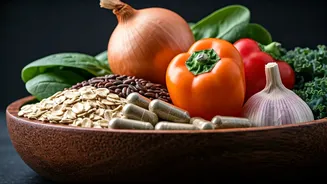
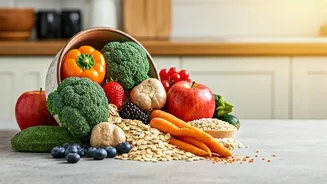
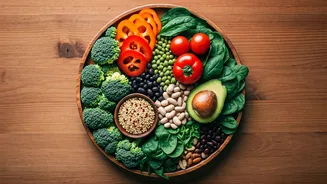
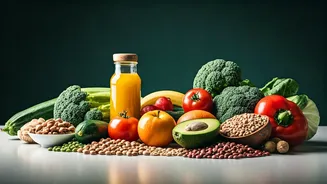
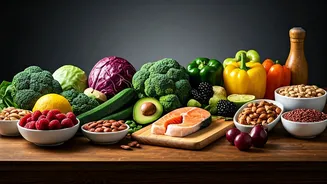
A probiotic supplement typically contains a few specific strains of bacteria. While this can be very helpful for targeted issues, a whole-food diet offers something supplements can't: unparalleled diversity. A plate loaded with different plants provides a wide array of prebiotic fibers and polyphenols—plant compounds that also feed good bacteria. Each type of fiber feeds a different family of microbes. So, eating a variety of plants—think bell peppers, broccoli, beans, berries, and brown rice—is like setting up a gourmet buffet for your entire microbiome, encouraging a diverse and resilient community. This food-first approach builds a strong foundation, potentially reducing the need for supplements in the first place.
How to Build a Pro-Gut Plate
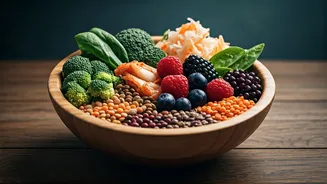
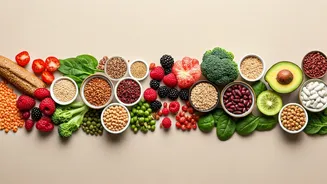
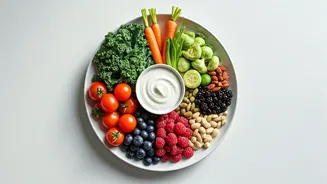
So what does a “whole-food plate” look like in practice? It’s less about a rigid diet and more about a simple philosophy: eat a variety of real, unprocessed foods. Aim for a plate that’s rich in color and texture.
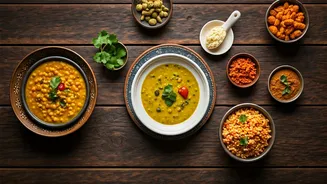
Start with a base of high-fiber foods. Think legumes (beans, lentils, chickpeas), whole grains (oats, quinoa, farro), nuts, and seeds. These are prebiotic powerhouses.
Next, load up on a rainbow of fruits and vegetables. Different colors signify different phytonutrients and fibers, which support different types of healthy bacteria. Try to 'eat the rainbow' throughout the week—from leafy greens and red tomatoes to purple eggplant and orange carrots.
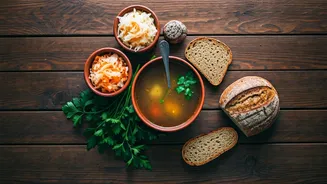
Finally, incorporate naturally probiotic foods. These are whole foods that also happen to contain live cultures, giving you the best of both worlds. Plain yogurt and kefir are excellent dairy options. For non-dairy choices, look to sauerkraut, kimchi, miso, and kombucha. These have been part of traditional diets for centuries for a reason.