


The Endless War on Dust and Crumbs
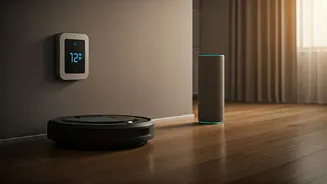
Let’s start with the most visible offender: floor cleaning. It’s a thankless, repetitive task that never truly ends. For decades, the solution was a better, more powerful, or lighter vacuum cleaner—but you still had to push it. Today, robotic vacuums
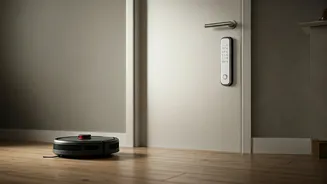
and mops have finally reached a point where they are genuinely helpful. They aren’t just novelties anymore. You can schedule them to run while you’re at work, asleep, or out running errands. You come home to clean floors without ever having to lift a finger. The latest models can even empty their own dustbins, map your entire house to avoid obstacles, and switch from vacuuming carpets to mopping hard floors. It’s not about achieving a perfect, sterile environment; it’s about automating a C-plus job so you don’t have to think about it three times a week.
That 'Did I Lock the Door?' Panic
You’re ten minutes into your commute when the thought hits you like a shot of ice water: “Did I lock the front door?” This specific brand of low-grade anxiety is a universal experience. Smart locks directly address this mental burden. Connected to your phone via Wi-Fi or Bluetooth, they allow you to check the status of your door from anywhere and lock it remotely if you forgot. Even better, many can be set to auto-lock after a certain period of time, eliminating the worry entirely. They also solve the hassle of fumbling for keys with armfuls of groceries, letting you unlock the door with your phone or a simple keypad code. For guests or service people, you can grant temporary digital keys instead of handing out physical copies that can be lost or copied.
The Tyranny of the Light Switch
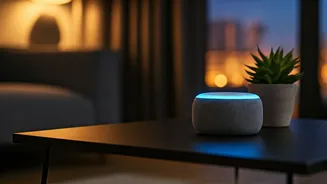
Fumbling for a light switch in a dark room, trekking downstairs because someone left the basement light on, or trying to create the right ambiance with harsh overhead lighting are all minor but persistent annoyances. Smart lighting—from individual bulbs to connected switches and plugs—gives you effortless control. Using your voice (“Hey Google, turn on the living room lights”), your phone, or automated schedules, you can manage your home’s lighting without ever touching a switch. You can program lights to turn on gradually in the morning as a gentle alarm clock, or have them all turn off with a single command when you go to bed. Smart plugs extend this convenience to any “dumb” appliance, like a fan or a coffee maker, making your old devices part of a more convenient, less annoying ecosystem.
Managing the Household Mental Load
Who keeps track of the grocery list? When does the dog need more food? Are we out of paper towels? This constant, low-level inventory management is a huge source of mental clutter. Technology is stepping in here, too. Smart refrigerators can use internal cameras to let you see what you’re missing while you’re at the store. Automated subscription services, from Amazon’s “Subscribe & Save” for toilet paper to specialized services for pet food or coffee, ensure you never run out of the essentials. It's about outsourcing the remembering. By setting up these systems once, you remove dozens of tiny decisions and memory checks from your daily life, freeing up brain space for more important things.
The Package Delivery and Access Puzzle
The rise of e-commerce created a new set of domestic annoyances: missed deliveries, stolen packages, and the logistical dance of letting people in when you’re not home. Video doorbells were the first big step, letting you see and speak to whoever is at your door from anywhere. When combined with a smart lock or a smart garage opener, they become a complete access-management system. You can see the delivery driver arrive, verbally instruct them to place the package inside your garage, and open it for them remotely. This simple sequence eliminates porch piracy and the need to rush home to sign for a package. It gives you control over the threshold of your home, turning a point of vulnerability into one of secure convenience.