


An Old Idea in a New Light
Before there were Instagram infographics about reducing food waste, there were Desi kitchens where thrift wasn't a hashtag but a necessity and a sign of respect. The philosophy is simple: nothing is truly a scrap. That tough cauliflower stem, the peels
from a ridge gourd, or the whey leftover from making fresh paneer were never destined for the trash. Instead, they were viewed as ingredients-in-waiting, opportunities for another meal or a flavor-boosting component. This approach, born from a mix of economic prudence and a deep-seated cultural value of honoring food, is now being rediscovered by a new generation. What was once seen as an old-fashioned, perhaps even slightly embarrassing, habit of immigrant parents is now being celebrated as sophisticated, sustainable, and incredibly resourceful. It’s less of a formal rebranding campaign and more of a grassroots reclamation of culinary heritage, reframing frugality as ingenuity.
From Kitchen Scraps to Coveted Dishes
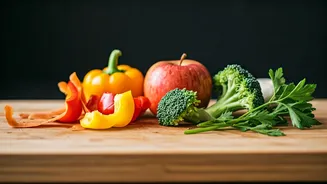
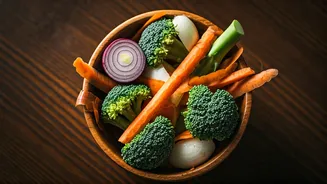
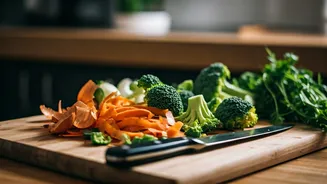
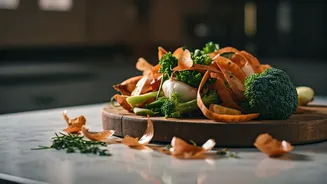
The magic of this approach lies in its delicious execution. Those vegetable peels aren’t just composted; they’re transformed. Potato and ridge gourd (tori) peels are often stir-fried with spices into a crispy, savory side dish or ground into a flavorful chutney. The fibrous stems of broccoli and cauliflower, often discarded in Western kitchens, are chopped finely and added to stir-fries, parathas (flatbreads), or vegetable curries, adding texture and nutrients. Leftover rice isn't just reheated; it’s reborn as *vagharela bhaat*, a popular Gujarati dish where day-old rice is tempered with mustard seeds, turmeric, and onions for a quick and satisfying breakfast or lunch. Even the water from washing rice or the cloudy whey from straining homemade cheese is saved. This nutrient-rich liquid, instead of going down the drain, is used to knead dough for roti or to add a subtle tang and body to lentil dals and curries. Every part of the process has a purpose.
The Social Media Renaissance
So why is this gaining traction now? The answer lies, as it often does, with a new generation connecting online. South Asian food writers, bloggers, and home cooks are using platforms like Instagram and TikTok to showcase these age-old techniques. They share videos of their parents or grandparents expertly turning peels into delicacies, pairing them with captions that bridge the gap between their heritage and the modern sustainability movement. Cookbook authors like Priya Krishna, in her book “Indian-ish,” have been instrumental in translating these kitchen hacks for a wider American audience, celebrating the practical genius of her mother’s cooking. Social media influencers are demystifying the process, showing that waste-free cooking isn't about deprivation but about creativity and abundance. Seeing these methods framed with pride and aesthetic appeal has empowered many in the diaspora to embrace the very practices they may have once overlooked.
More Than Just Saving Scraps
Ultimately, this “rebrand” is about more than just sustainability or saving money. It's a powerful act of cultural reclamation. For many second- and third-generation immigrants, it’s a way to connect with their roots on their own terms. It’s about understanding that the wisdom passed down in their family kitchens is not only relevant but is actually at the forefront of a global conversation about responsible consumption. This approach fosters a deeper respect for the entire food chain—from the farmer who grew the vegetable to the person who prepared it. By using every part of an ingredient, cooks are acknowledging the labor, resources, and energy embodied in it. It’s a mindful practice that shifts the perspective from seeing food as a disposable commodity to viewing it as a precious resource, a philosophy the rest of the world is only now beginning to catch up with.