

Beyond the Spice Rack
For years, the extent of herbs in most American kitchens was a dusty rack of dried flakes. But a major shift is underway. Home cooks and design enthusiasts are embracing the concept of an “edible landscape” right on their countertops. Bringing living
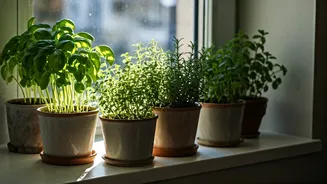
herbs indoors is about more than just having fresh ingredients on hand; it’s a multi-sensory design choice. It’s the visual appeal of lush greenery against a tile backsplash, the fresh fragrance that fills the air, and the simple joy of snipping what you need for dinner. This trend, often linked to biophilic design—the practice of connecting people and nature within our built environments—infuses the heart of the home with life, texture, and a touch of sustainable style. Basil, mint, and rosemary are the undisputed stars of this movement, each bringing its own unique personality to the space.
The Star Player: Basil
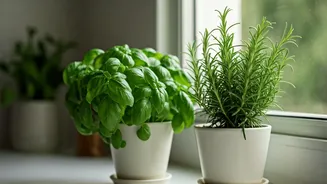
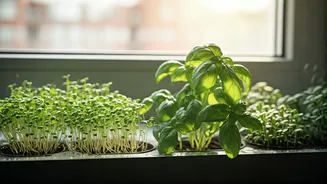
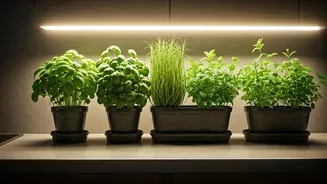
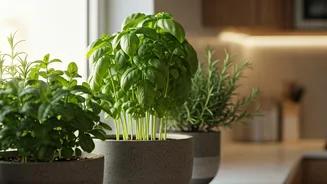
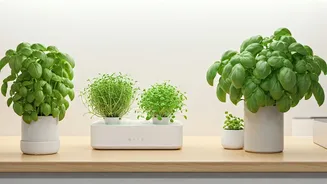
If there’s one herb that screams “kitchen goals,” it’s basil. With its large, vibrant green leaves and classic Italian-summer fragrance, a healthy basil plant is both a culinary workhorse and a stunning visual centerpiece. Its lush, rounded shape adds a soft, organic touch that can break up the hard lines of countertops and cabinetry. To make it thrive, think like a sun-loving plant. Basil needs at least six hours of bright, direct sunlight per day, making a south-facing windowsill its ideal home. If your kitchen lacks natural light, a small, affordable LED grow light will work wonders. Keep the soil consistently moist but not waterlogged—basil hates having wet feet, which can lead to root rot. A pot with good drainage is non-negotiable. For a chic look, plant it in a classic terracotta pot, which not only looks timeless but also helps wick away excess moisture, keeping the roots happy.
The Refreshing Accent: Mint
Where basil is lush and gentle, mint is vigorous and untamed. Its refreshing, clean scent can act as a natural air freshener, and its tendency to grow quickly and abundantly makes it a satisfying plant for beginners. The texture of its leaves, which can range from the crinkly leaves of spearmint to the fuzzy ones of apple mint, adds another layer of visual interest. One critical rule for mint: give it its own container. Mint is an aggressive spreader and will quickly choke out any other plants it shares a pot with. This contained chaos, however, is perfect for kitchen decor. Plant it in a deep pot where its runners have room to grow, or place it in a hanging basket and let its stems trail gracefully down your cabinets. Mint is less fussy about sunlight than basil and can tolerate partial shade, though its flavor and aroma are strongest with more light. Keep the soil moist, and don't be afraid to harvest it regularly; frequent trimming encourages bushier, healthier growth.
The Rustic Statement: Rosemary
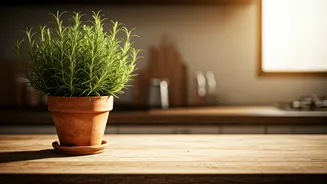
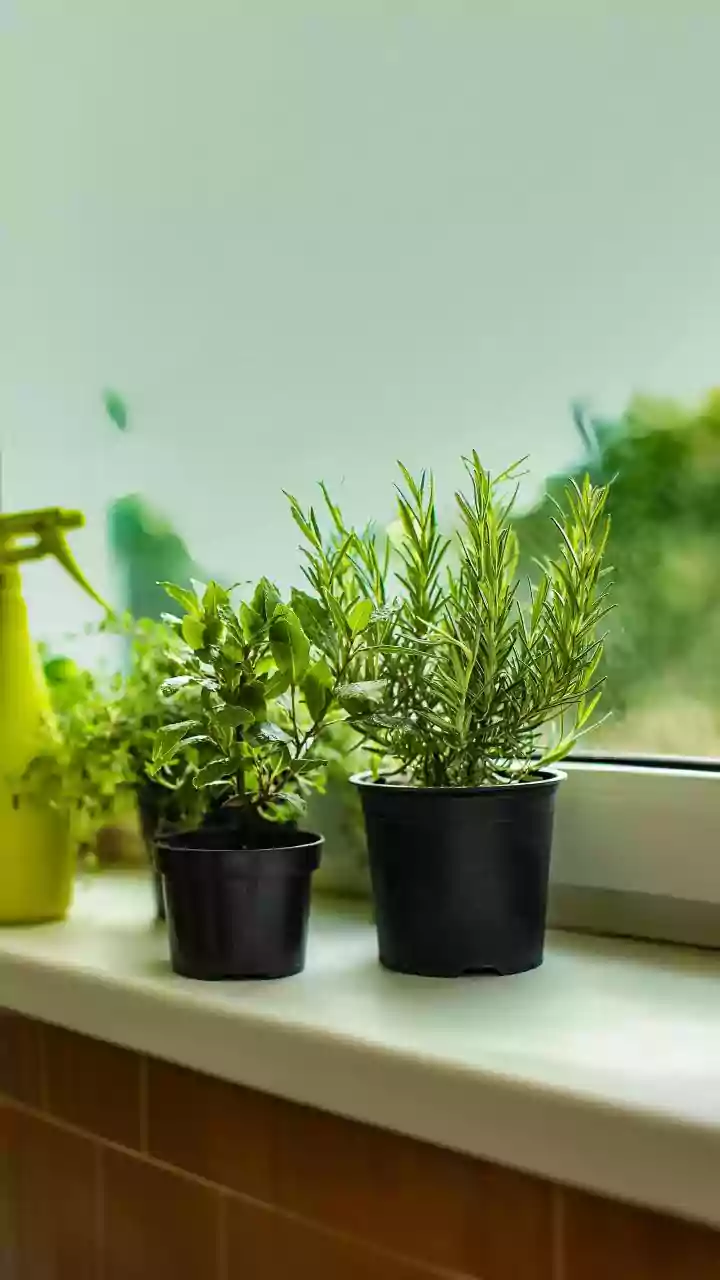
Rosemary brings a completely different aesthetic to the kitchen. With its woody stems and needle-like leaves, it has an architectural, almost sculptural quality that works beautifully in modern, minimalist, or rustic farmhouse designs. Its deep, pine-like fragrance is earthy and sophisticated, released with just a slight touch as you walk by. A small rosemary plant pruned into a topiary shape can be a stunning, long-lasting piece of living art. Rosemary’s needs are a reflection of its Mediterranean origins: it craves sun and dry conditions. It requires at least six to eight hours of direct sunlight and extremely well-draining soil. The most common mistake with indoor rosemary is overwatering. Allow the soil to dry out completely between waterings. A sandy cactus or succulent mix is often a better choice than standard potting soil. Its upright, sturdy structure looks fantastic in stone, ceramic, or metal planters that complement its rustic charm.
Styling Your Edible Decor
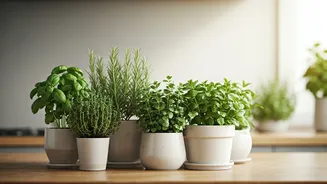
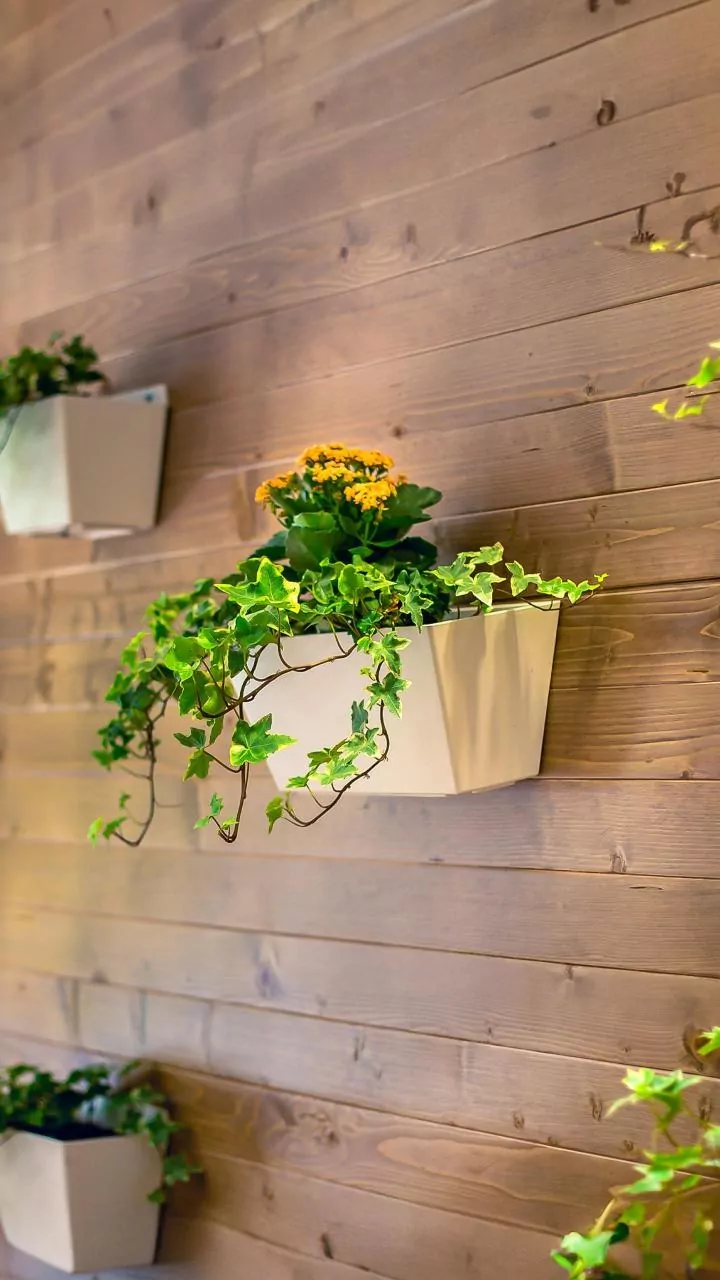
Successfully integrating herbs into your kitchen design is about more than just keeping them alive. Think about grouping and placement. A trio of small pots—one each for basil, mint, and rosemary—creates a cohesive and dynamic display. Vary the pot materials and heights to add visual interest; a mix of terracotta, glazed ceramic, and a sleek metal pot can look effortlessly chic. Arrange them on a tray for a portable herb garden you can move from windowsill to countertop. Consider their home: a bright windowsill is classic, but a set of wall-mounted planters can turn a blank wall into a vertical garden, saving precious counter space while making a bold design statement. Don't forget that the pots themselves are a key part of the decor. Choose colors and materials that echo other elements in your kitchen for a polished, intentional look.