





Why Wood, Why Now?
After years dominated by cool-toned minimalism and a sleek, almost clinical feel, the pendulum is swinging back toward warmth, character, and comfort. Interior designers point to a collective desire for “biophilic design”—a concept centered on connecting
our living spaces with the natural world. In an increasingly digital and hectic society, our homes are becoming sanctuaries. We crave materials that feel real, honest, and grounding. Wood, with its infinite variety of grains, tones, and textures, answers that call perfectly. It tells a story of growth and resilience, offering a tactile richness that flat, manufactured surfaces simply can't match. This isn’t about recreating a log cabin; it's about thoughtfully layering organic elements to create spaces that feel both sophisticated and soulful.
1. Statement Walls and Paneling
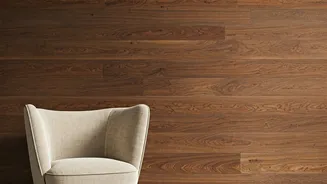
The feature wall is back, but with a textured, organic twist. Forget a single coat of accent paint; today’s statement is made with wood. Fluted and slat wood panels, often in light oak or rich walnut, are adding rhythmic, sculptural interest to living rooms and bedrooms. They create a sense of height and dimension while absorbing sound, making rooms feel cozier and more intimate. For a more rustic vibe, designers are using reclaimed barn wood or limewashed wood planks to create a backdrop that’s full of history and character. It's a high-impact move that instantly elevates a room from generic to custom-designed.
2. Furniture with Natural Form
Chunky, sculptural, and unapologetically woody—furniture is getting back to its roots. Look for coffee tables made from a single, substantial block of wood, or dining tables with thick, sturdy legs that celebrate the material's strength. Lighter woods like ash, maple, and white oak are popular for creating an airy, “Japandi” (a hybrid of Japanese and Scandinavian design) feel. On the other end of the spectrum, live-edge tables and consoles—where the natural edge of the wood is left intact—continue to be a centerpiece-worthy choice, ensuring no two pieces are ever exactly alike. The key is choosing furniture that showcases the grain and form, becoming a piece of functional art.
3. The Rise of Lighter, Textured Woods
While dark woods have their place, the current trend leans heavily into lighter, more natural tones. White oak has become a designer favorite for its versatility and subtle, beautiful grain. It provides a warm, organic base without overwhelming a space. You’ll see it used everywhere from wide-plank flooring and kitchen cabinetry to custom built-ins. Other techniques are also gaining traction. Cerused wood, where the grain is highlighted with a contrasting color (often white or black), adds a layer of subtle texture and sophistication. These lighter woods pair beautifully with other natural materials like linen, stone, and wool, creating a layered, serene palette.
4. Small Accents, Big Impact
You don’t need to install a whole new floor or wall to get in on the trend. The beauty of earthy wood is its ability to add warmth in small, accessible doses. Start in the kitchen with a collection of beautifully grained cutting boards leaned against the backsplash. Swap out generic plastic or metal items for their wooden counterparts: think salt cellars, pepper grinders, and salad bowls. In the living room, a large, sculptural wooden bowl on a coffee table or a stack of wooden art books can serve as a simple, organic focal point. Even wooden picture frames or a single wooden stool in a bathroom can introduce that sought-after natural element.
5. Rattan, Cane, and Wicker Weaves
Wood's lighter, more flexible cousins are also having a major moment. Rattan, cane, and wicker are weaving their way into every room of the house, bringing a touch of breezy, textural charm. Once relegated to patio furniture, these materials are now seen in sophisticated applications like the caned doors of a media console, the headboard of a bed, or the back of a dining chair. Their woven texture provides visual interest without adding heavy visual weight, making them perfect for adding an organic layer to both modern and traditional spaces.