

The Land of Living Architecture
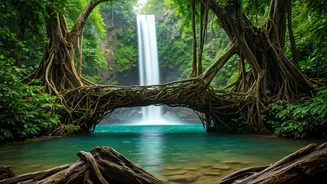
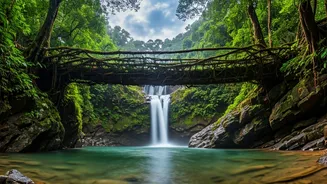
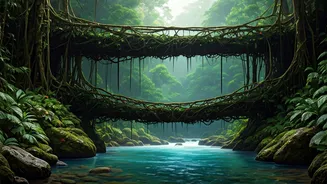
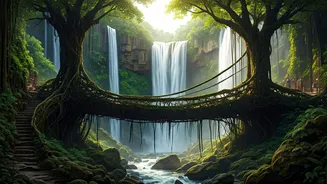
In the misty hills of Meghalaya, a state in Northeast India whose name translates to “the abode of clouds,” the indigenous Khasi and Jaintia peoples have mastered a form of bio-engineering that seems plucked from a fantasy novel. For centuries, they have guided
the aerial roots of the Ficus elastica tree across rivers and ravines, weaving them into sturdy, living bridges. These structures are not static; they grow stronger over time, with some lasting for over 500 years. The most famous of these, the Jingkieng Nongriat or Double Decker Root Bridge, is a stunning two-tiered marvel that requires a dedicated trek to reach. Walking across one of these bridges is a profound experience—the feeling of smooth, gnarled roots underfoot, the sound of the river below, and the knowledge that you are standing on a structure that is both a work of art and a living organism.
Where Waterfalls Are Born from Clouds
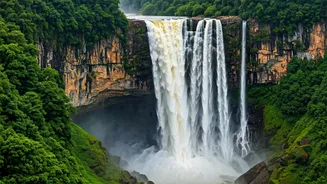
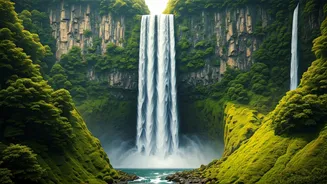
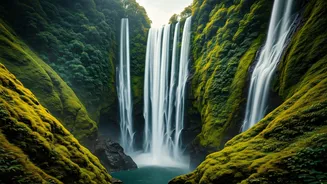
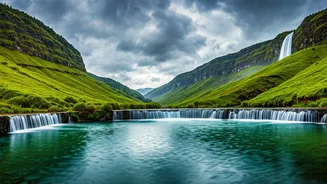
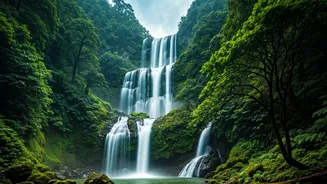
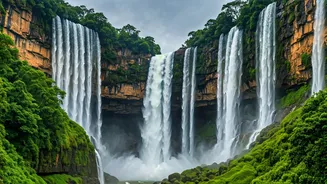
Cherrapunji, also known by its traditional name Sohra, holds the distinction of being one of the wettest places on Earth. This isn't just a quirky weather fact; it's the engine behind the region's second great spectacle: its waterfalls. During the monsoon season, the landscape transforms. Countless streams and rivers swell, and water begins to pour from the highlands in dramatic fashion. This is when you can witness “peak waterfall volume.” The Nohkalikai Falls, India's tallest plunge waterfall, drops over 1,100 feet in a single, thunderous cascade. Nearby, the Seven Sisters Falls (Nohsngithiang Falls) presents a breathtaking panorama of seven distinct streams tumbling side-by-side down a limestone cliff. The sheer force and volume of the water during this period are awe-inspiring, turning the entire region into a dynamic, roaring water-world.
The Magic of the Monsoon
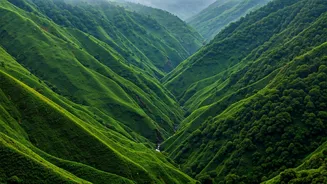
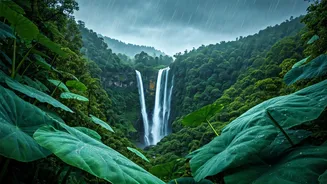
For most travel destinations, the rainy season is the off-season. In Cherrapunji, it’s prime time. The period from roughly June to September is when the magic happens. The headline's call to experience it “now” is a nod to this unique travel calendar. The monsoon doesn't just fill the waterfalls; it paints the landscape in a thousand shades of impossible green. The air is fresh and clean, mist clings to the valleys, and a sense of primordial energy fills the atmosphere. While it requires proper rain gear and a spirit of adventure, traveling during the monsoon offers a glimpse of Meghalaya at its most authentic and powerful. It’s a time when you can truly understand why this place is called the abode of clouds, as you often find yourself walking right through them.
Planning Your Unforgettable Journey
Getting to this remote corner of the world is an adventure in itself, but it is more accessible than you might think. For American travelers, the journey typically involves flying into a major Indian city like Delhi or Kolkata, followed by a domestic flight to Guwahati in the neighboring state of Assam. From Guwahati, it’s a scenic, though winding, 3- to 4-hour drive to Shillong, the capital of Meghalaya, which serves as a great base. Cherrapunji is another 2-hour drive from there. Hiring a local driver and guide is highly recommended, as they can navigate the roads and lead you on the treks to hidden root bridges and waterfall viewpoints. Accommodations range from comfortable guesthouses to basic homestays, offering an opportunity to connect with the local Khasi culture. Remember to pack light, waterproof everything, and bring sturdy, non-slip footwear. This isn’t a luxury resort vacation; it's a deep dive into a world where nature's power is on full display.