


An Introduction to the Konkan
For most Americans, India’s coastline conjures images of Goa’s famous parties or Kerala’s tranquil backwaters. But sandwiched between them lies a lesser-known, 450-mile stretch of rugged beauty: the Konkan Coast. Running from north of Mumbai down to the edge
of Goa, this region is a tapestry of fishing villages, ancient forts, dense forests, and pristine beaches, all hemmed in by the Western Ghats mountain range to the east and the Arabian Sea to the west. In the dry season, it’s a hot, dusty, but beautiful landscape. But when the monsoon arrives, the Konkan undergoes a radical, almost magical, transformation.
When the Rain Remakes the World
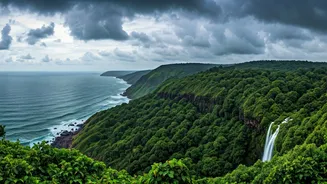
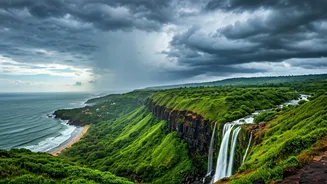
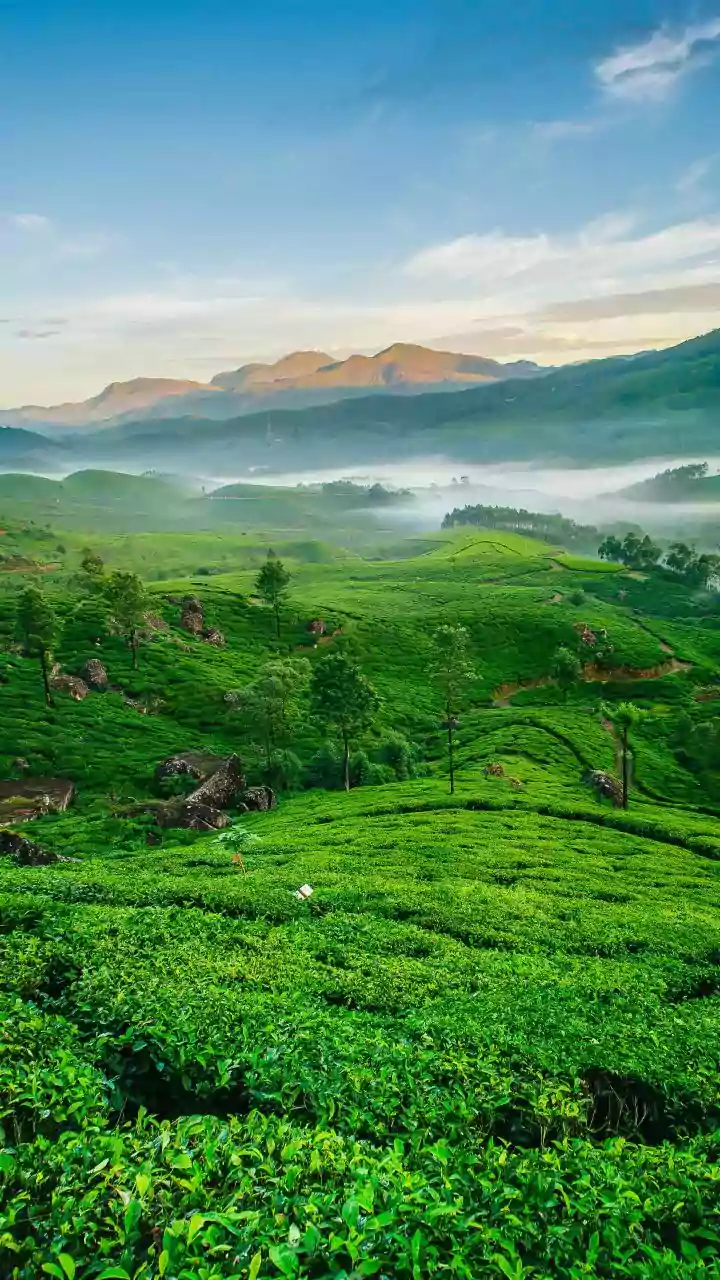
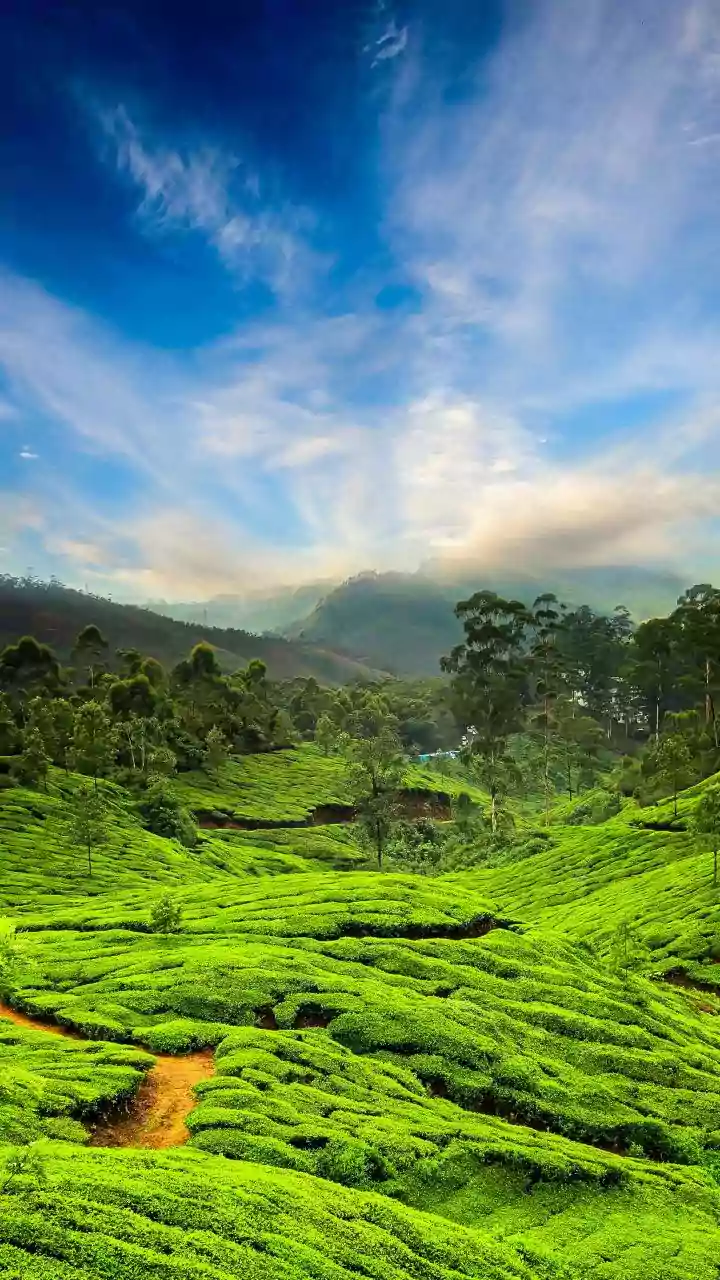
The Indian monsoon isn’t just a rainy season; it's a meteorological event of continental proportions, and nowhere is its artistry more apparent than on the Konkan. From June through September, the clouds roll in from the sea, heavy and dark, and the heavens open up. The first rains release a rich, earthy scent from the parched soil known as petrichor. Within days, the entire landscape explodes in a thousand shades of green. Brown hills become velvety carpets, and dormant waterfalls cascade down the cliffs of the Ghats, appearing like silver ribbons against the dark rock. The rain isn't a nuisance to be avoided; it is the main character, a force that washes the world clean, cools the air, and brings a profound sense of renewal. It’s a time of cozying up with a book and a hot cup of chai, listening to the rhythmic drumming of raindrops on a tin roof.
The Journey Is the Destination
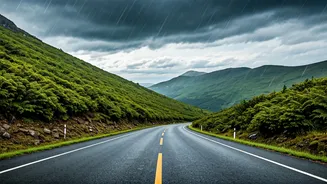
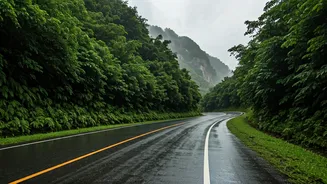
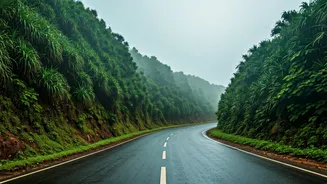
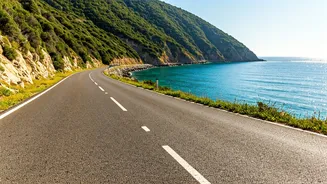
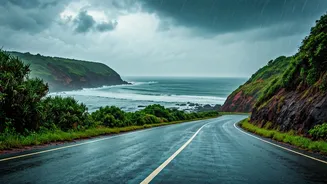
To truly experience the Konkan, you must take to its roads. The drive along National Highway 66, which snakes its way down the coast, is one of the world's great road trips. During the monsoon, it’s a journey through the clouds. You’ll wind through emerald-green rice paddies, where farmers wade through knee-deep water, and navigate hairpin bends that offer sudden, breathtaking views of the valley below, shrouded in mist. The roads, slick with rain, demand a slower, more deliberate pace. This isn't about speed; it's about immersion. Every few miles, a small, roadside stall will appear, offering roasted corn on the cob, piping hot pakoras (fried vegetable fritters), and sweet, milky tea—the perfect fuel for a drive where the journey itself is the main attraction. The drive forces you to be present, to engage with the landscape rather than just pass through it.
The Wild and Powerful Sea
The Konkan’s relationship with the Arabian Sea changes dramatically with the monsoon. The calm, turquoise waters of winter are replaced by a churning, slate-gray force of nature. This is not the time for swimming or sunbathing. Instead, it’s a time for awe. To stand on a cliff-top fort like Murud-Janjira or Sindhudurg, with the wind whipping your hair and the waves crashing violently against the ancient stone walls below, is to witness nature’s raw power. The beaches are often deserted, reclaimed by the tides. The air is thick with salty spray. It’s a moody, dramatic, and deeply romantic spectacle—the sea not as a playground, but as a powerful, living entity that commands respect and inspires wonder.
A Feast for the Senses
The irresistible pull of the Konkan is more than just its visuals; it’s a full sensory experience. The monsoon brings a bounty of local delicacies. The food is often spicy, coconut-rich, and deeply flavorful, featuring fresh-caught seafood and seasonal vegetables. It’s the taste of Bombil fry (crispy Bombay duck fish) at a beachside shack, the complex flavors of a Malvani fish curry, and the simple perfection of steamed rice with a dollop of ghee. The experience is an escape from the frantic pace of modern life into a world that moves with the rhythm of the rains. It’s a reminder that sometimes, the most beautiful experiences aren’t found in perfect weather, but in the heart of the storm.