




The Rise of the 'Cool-cation'
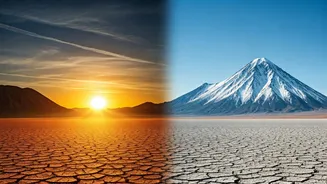
It’s a simple, biological impulse: when you’re hot, you seek cool. For decades, that meant finding the nearest pool or cranking up the air conditioning. Now, it’s reshaping the entire U.S. travel industry. As cities from Phoenix to Austin to Miami bake
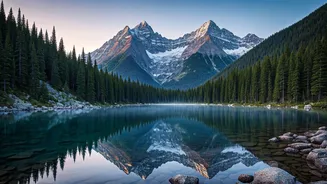
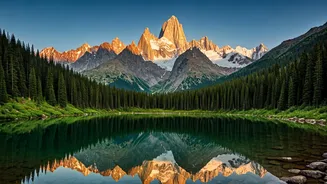
under relentless “heat domes,” travelers are looking at the map not just for attractions, but for degrees. The result is a surge in “cool-cations”—trips planned with the specific goal of escaping oppressive summer temperatures. Travel data shows a marked increase in searches and bookings for destinations where the average summer high hovers in the 70s, not the 100s. High-altitude towns in Colorado, Utah, Wyoming, and even the Appalachian and Adirondack ranges are seeing an unprecedented influx of summer visitors who are quite literally running for the hills.
From Ski Slopes to Summer Sanctuaries
For mountain towns, this is a paradigm shift. Once seen primarily as winter wonderlands for skiers and snowboarders, places like Aspen, Colorado; Park City, Utah; and Jackson, Wyoming, are transforming into year-round economic powerhouses. Their “off-season” is rapidly becoming a second peak season. Hotels, restaurants, and tour operators that used to see a significant drop-off after the snow melted are now catering to a steady stream of summer clientele. The appeal is obvious. While much of the country is grappling with humidity and scorching pavement, these towns offer crisp morning air, comfortable afternoons perfect for hiking or mountain biking, and cool evenings that might even call for a light jacket. Festivals, outdoor concerts, and farmers' markets that once served a local audience are now major draws for heat-fatigued tourists from across the nation.
The Economics of Altitude
This climate-driven migration isn't just about comfort; it's big business. Tourism boards in mountain states are actively marketing their cool summer weather as a luxury amenity. Real estate in these areas is also feeling the effect, with a growing number of people seeking second homes not for ski access, but for summer refuge. However, this boom isn't without its challenges. The same pressures that have long plagued popular ski towns—affordable housing shortages, increased traffic, and strain on local infrastructure and ecosystems—are now becoming year-round problems. For local communities, the surge in demand is a double-edged sword, bringing economic prosperity but also threatening the very character and environment that make these places so attractive in the first place.
A Glimpse into the Future of Travel
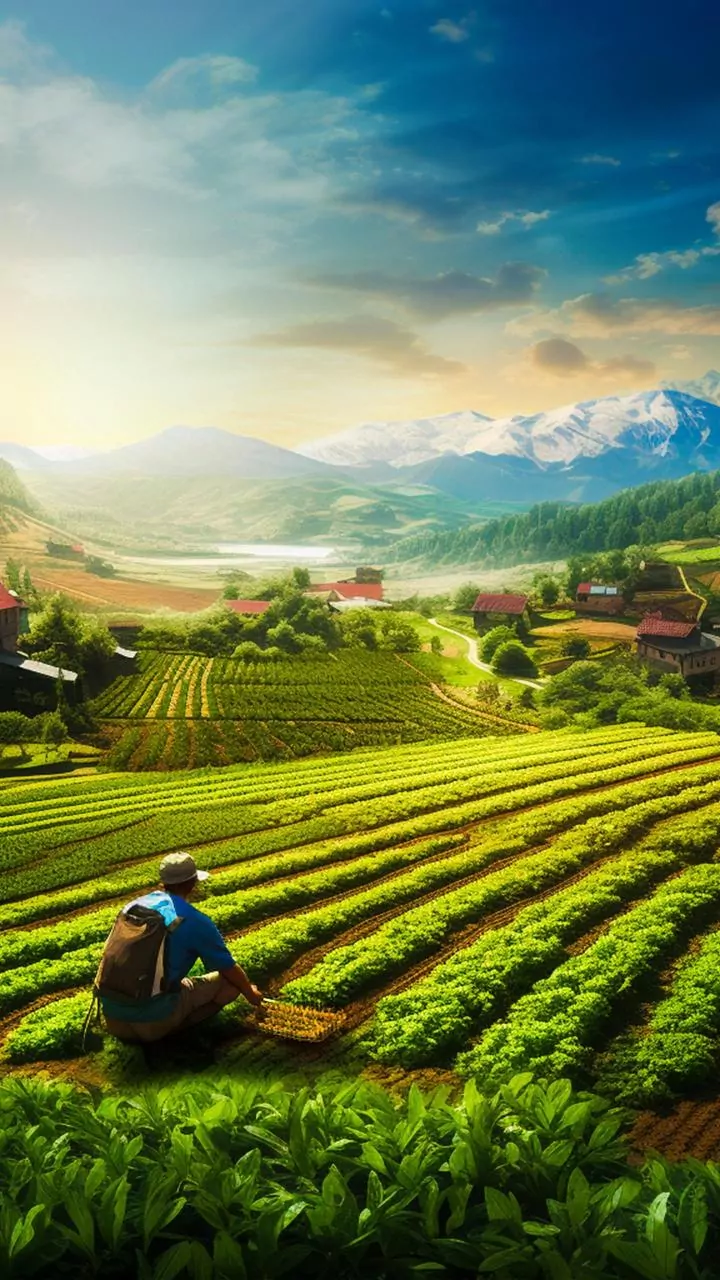
This trend is more than just a passing fad; it’s a powerful indicator of how climate change will permanently alter our behavior. The simple act of choosing a vacation spot is becoming an act of climate adaptation. Travelers are prioritizing personal well-being and physical comfort over traditional destination tropes. Instead of enduring a sweltering week at a theme park, families are opting for a week of hiking in the mountains. This shift also reflects a broader move towards nature-based wellness. The promise of clean mountain air, active days spent outdoors, and a genuine break from the extremes of modern life holds a powerful allure. As temperatures continue to climb, the definition of a desirable destination is being rewritten—not by travel magazines, but by the thermometer.