





The New American Road Trip
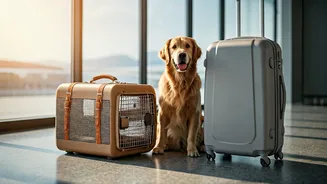
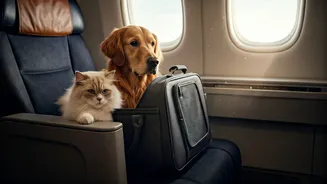
America has always been a nation of road-trippers, but the passenger list has changed. Today, more than a third of pet owners take their animals with them when they travel for at least two nights, according to the American Pet Products Association. Pets
are no longer just animals; they are family members. We plan vacations around them, buy specialized gear for them, and post their travel photos on Instagram. Yet a fundamental part of the American road trip—the casual meal stop—remains stubbornly stuck in the past. While hotels have increasingly rolled out the welcome mat for furry guests, the restaurant industry, particularly along major highways, has been slower to adapt. This creates a frustrating bottleneck for travelers who don't want to leave their pets unattended in a hot car or subsist entirely on drive-thru fare.
Beyond the Drive-Thru Window
For many, the default solution is a quick stop where one person runs inside for takeout while the other stays with the pet. It’s functional, but it’s not relaxing. It robs the journey of the simple pleasure of stretching your legs, sitting down, and enjoying a meal together. The alternative—finding a park or a rest area with a picnic table—is weather-dependent and often unappealing after a long drive. The core of the problem is a logistical and legal tangle. Health codes in most states prohibit non-service animals from being inside restaurants. While this is understandable, it doesn't address the massive opportunity presented by outdoor dining spaces. A simple patio, a few water bowls, and a clear policy can transform a roadside eatery from a place to pass by into a must-visit destination for a massive, loyal, and growing demographic of travelers.
What a Truly Pet-Friendly Stop Looks Like
Being 'pet-tolerant' is not the same as being 'pet-friendly.' A truly welcoming stop goes beyond simply allowing a dog to be tied to a fence post at the edge of the property. The gold standard includes a dedicated, shaded patio or outdoor seating area where pets are explicitly welcome. Staff should be comfortable with and knowledgeable about the rules, greeting pets without fear or annoyance. Simple amenities make a world of difference: accessible water bowls, a designated grassy area for relief (with waste stations), and clear signage that makes owners feel invited, not like they are bending the rules. The most forward-thinking spots even offer 'pup menus' with simple, pet-safe items like unseasoned grilled chicken or a 'puppy patty.' These gestures signal that a business doesn't just tolerate pets—it values their owners as customers.
How to Find Welcoming Spots
Until every roadside diner has a dog-friendly patio, planning is your best friend. Fortunately, technology has made finding these oases easier than ever. Apps and websites like BringFido and GoPetFriendly are essential tools for any pet-owning traveler. They offer crowdsourced reviews and detailed policies for thousands of restaurants, breweries, and cafes across the country. You can filter by rating, price, and even specific amenities. It's also wise to call ahead, especially if you're traveling to a less-populated area. Policies can change, and a quick confirmation call can save you a frustrating detour. Finally, don't underestimate the power of local chains and breweries. Many independent spots and craft breweries with outdoor beer gardens are often more flexible and welcoming to pets than large, corporate fast-food chains.
Pawsitive Etiquette for Pet Guests
The responsibility for a more pet-friendly world doesn't just lie with businesses; it also rests on pet owners. To encourage more establishments to open their patios, we need to be exemplary guests. This means ensuring your pet is well-behaved, socialized, and comfortable in a public setting. Keep your dog leashed and close to your table, ensuring they don't bother other patrons or staff. Always come prepared with your own water bowl and waste bags, even if the restaurant provides them. Avoid letting your pet sit on chairs or eat directly off the table. A well-behaved pet that is barely noticed is the best advertisement for why pet-friendly policies work. Every positive experience makes it easier for a business to keep its welcome mat out and encourages others to follow suit.