




The Great Himalayan Rain Shadow
For most of the Indian subcontinent, June signals the arrival of torrential downpours and oppressive humidity. Travel plans are washed away, and outdoor adventures are put on hold. But not in Spiti. Nestled in the remote northeastern corner of the Indian state
of Himachal Pradesh, Spiti Valley is geographically blessed. The towering Himalayan ranges to its south act as a colossal barrier, blocking the moisture-laden monsoon clouds from ever reaching this high-altitude cold desert. While the rest of India is drenched, Spiti enjoys clear blue skies, brilliant sunshine, and comfortable daytime temperatures. This unique weather phenomenon, known as a rain shadow, is what makes the valley a perfect—and nearly secret—escape for those seeking a dramatic mountain experience in early summer. The roads to Spiti, often snowbound for six months, typically open in late May or early June, creating a perfect window for exploration before the crowds of late summer arrive.
A Landscape from Another World
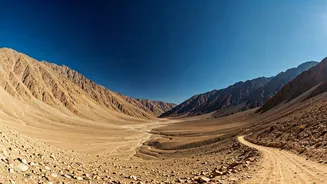
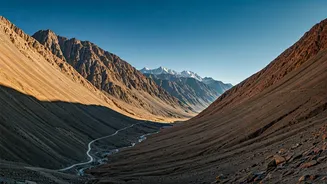
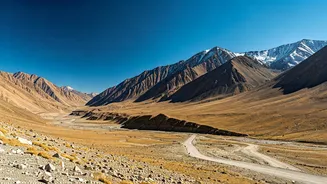
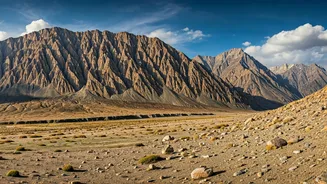
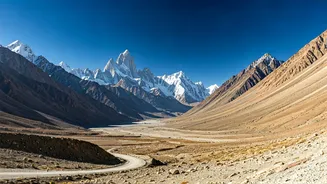
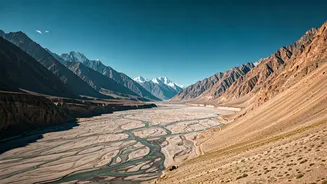
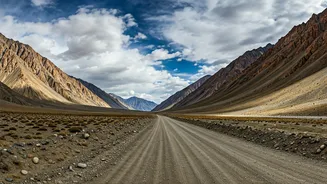
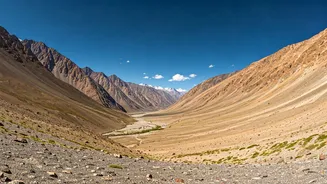
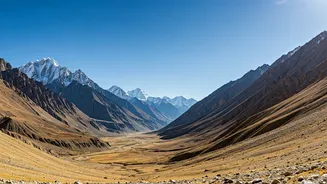
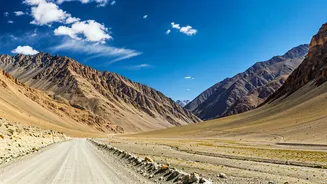
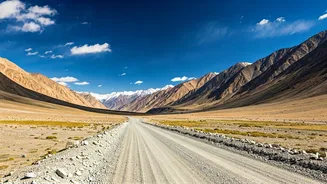
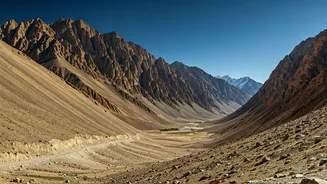
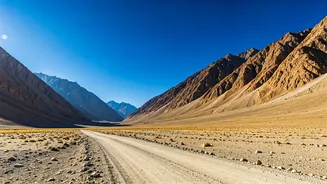
Forget the lush green hills you might associate with India. Spiti is a world of stark, breathtaking grandeur. Its name translates to “The Middle Land,” as it sits between India and Tibet, and its landscape feels more Tibetan than Indian. Imagine driving through a panorama of barren, windswept mountains painted in shades of ochre, brown, and grey. Deep gorges carved by the turquoise Spiti River slice through the terrain, and the sky above is an impossibly deep shade of blue. The air is thin and crisp, and the silence is profound, broken only by the wind or the distant call of a bird. For many American travelers, the closest visual comparison might be the dramatic canyons of the American Southwest or even the desolate beauty of a Martian landscape. It’s a place that forces you to slow down, to breathe, and to marvel at the raw power of nature in its most elemental form.
Ancient Monasteries and Cliffside Villages
Spiti’s isolation has preserved a vibrant Tibetan Buddhist culture that feels ancient and authentic. The valley is dotted with centuries-old monasteries (gompas) that cling to cliffsides and crown hilltops, looking as if they grew directly out of the rock. The most iconic is Key Monastery, a sprawling, fortress-like complex that looks down upon the Spiti River. Inside, you can walk through prayer halls filled with colorful murals and ancient scriptures. Other must-visit sites include the Tabo Monastery, a UNESCO World Heritage site known as the “Ajanta of the Himalayas” for its exquisite frescoes, and Dhankar Monastery, perched precariously on a 1,000-foot spur of rock. Visiting these places isn't just about sightseeing; it's an immersive cultural experience. You might be offered a cup of salty butter tea by a friendly monk or witness a prayer ceremony that has been performed the same way for a thousand years.
The Thrill of the High-Altitude Road
Getting to Spiti is an adventure in itself. This is not a trip for the faint of heart, but for those with a craving for a true journey. The primary routes, from either Manali or Shimla, involve traversing some of the world's highest and most spectacular mountain passes. You’ll navigate hairpin bends, cross rushing streams, and gaze at vistas that will leave you speechless. Hiring a reliable 4x4 vehicle with an experienced local driver is essential. The journey requires patience, as the roads can be rough and unpredictable. It also requires respect for the altitude. Most of Spiti Valley lies above 10,000 feet, so proper acclimatization is non-negotiable. Plan to spend at least a day or two adjusting at a lower altitude before ascending further. The slow pace is a blessing in disguise, allowing you to fully absorb the dramatic changes in the landscape as you climb higher into this remote Himalayan kingdom.