

Beyond the Kombucha Craze
Walk into any high-end grocery store, and you'll find an entire refrigerated section dedicated to gut health. Gleaming bottles of kombucha, artisanal kefir, and tiny, potent yogurt shots promise to balance your microbiome—often for five dollars or more
a serving. For many, the modern wellness movement has become synonymous with premium price tags and unfamiliar tastes. But what if the key to better gut health wasn't a new, expensive trend, but an ancient, accessible tradition? Across the United States, a growing number of people are looking past the fads and into the kitchens of South Asia, rediscovering a wealth of probiotic-rich foods that are as easy on the wallet as they are on the digestive system.
The Comfort of Cultural Foods
For millions of South Asians in the diaspora, this isn't a discovery but a homecoming. Foods like homemade yogurt (dahi) and savory buttermilk (chaas) aren't just wellness products; they are staples of daily life, recipes passed down through generations. This familiarity provides a powerful counterpoint to the often clinical and intimidating world of Western probiotics. There's a deep, comforting connection to eating the same foods your grandparents did, now validated by modern science for their health benefits. For those outside the culture, these foods offer a more authentic and culinary-focused approach to wellness. Instead of choking down a sour, fizzy drink, you can enjoy a delicious, cooling lassi or a flavorful, savory dish that happens to be packed with beneficial bacteria.
Dahi: The Original Superfood
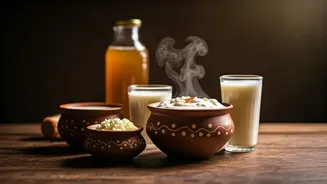
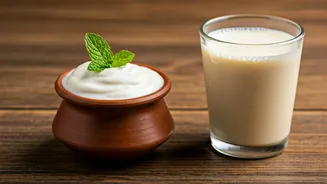
At the heart of Desi probiotics is dahi, or homemade yogurt. Unlike many commercial yogurts that are pasteurized after fermentation (killing live cultures) or loaded with sugar, traditional dahi is simply milk and a starter culture. It's incredibly easy and inexpensive to make at home: just heat milk, let it cool to lukewarm, stir in a spoonful of existing yogurt, and let it sit in a warm place overnight. The result is a tangy, creamy, and profoundly probiotic-rich food. A large container of homemade dahi costs a fraction of a multi-pack of high-end Greek yogurt, and it can be used in countless ways—eaten plain, blended into drinks, or used as a base for marinades and sauces.
Lassi and Chaas: Gut-Friendly Drinks
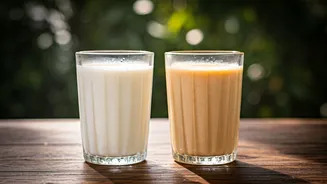
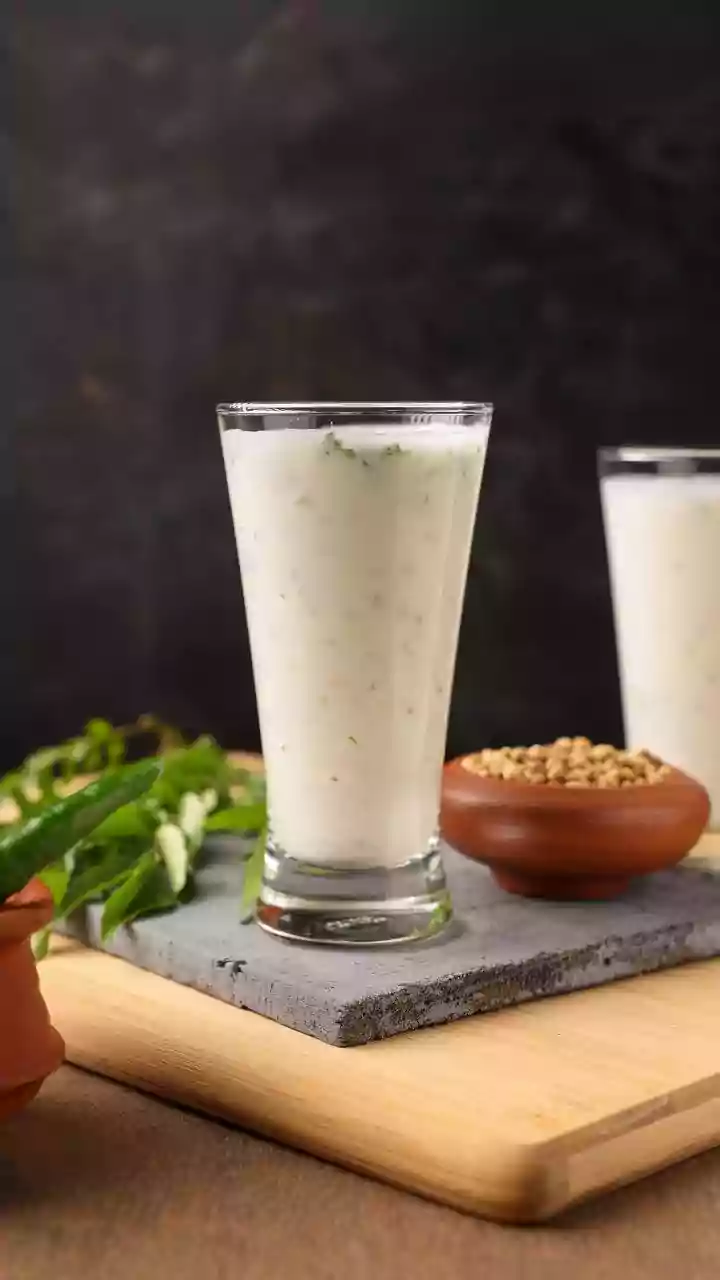
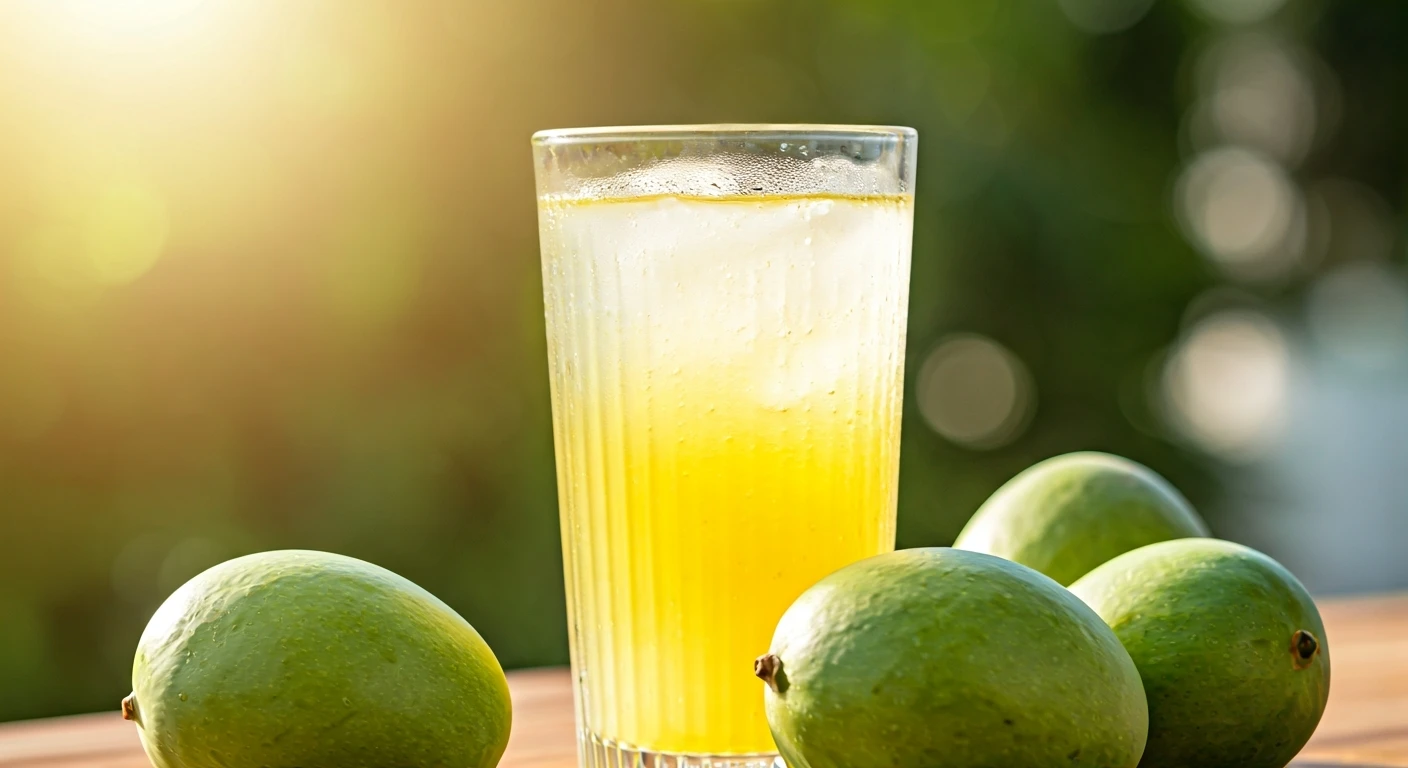
If dahi is the foundation, lassi and chaas are its most popular expressions. Lassi, a blended yogurt drink, can be sweet (often with mango) or savory (with salt and spices). While sweet lassis from restaurants can be high in sugar, a homemade version gives you full control. Even better for daily consumption is chaas (or chaach), a thinner, savory buttermilk made by watering down dahi and churning it with spices like cumin, ginger, and cilantro. It's incredibly refreshing, aids digestion after a heavy meal, and rehydrates the body while delivering a healthy dose of probiotics. Think of it as a savory, functional alternative to a sugary sports drink.
Fermented Batters and Pickles
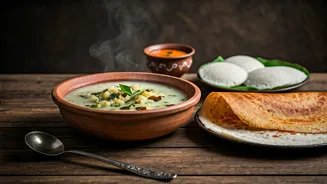
The world of Desi probiotics goes even deeper. The batters for iconic South Indian dishes like idli (steamed rice cakes) and dosa (savory crepes) are traditionally fermented for hours. This process not only creates their signature light texture and tangy flavor but also pre-digests the nutrients, making them easier for our bodies to absorb and populated with beneficial yeasts and bacteria. Similarly, many traditional Indian pickles (achaar) are lacto-fermented, not simply preserved in vinegar. These pickles, made from everything from mangoes to carrots to lemons, are bursting with complex flavor and gut-healthy microbes. A small spoonful alongside a meal can be a powerful probiotic punch.