




Why Monsoons Threaten Your Water Supply
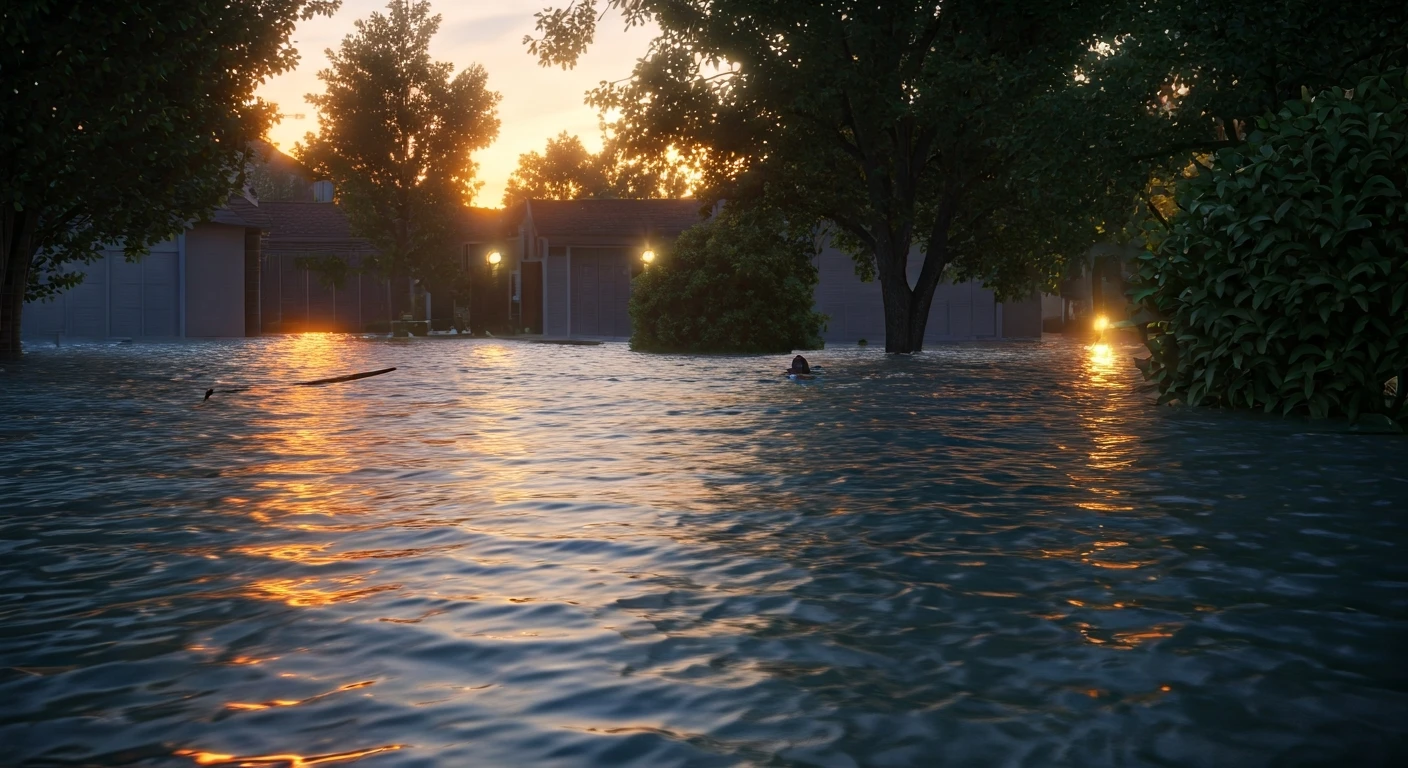
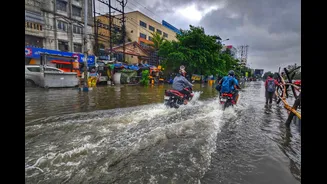
We take for granted that when we turn on the faucet, safe, clean water will come out. But monsoon storms can compromise this essential service in a flash. The primary threat is contamination. Intense, sudden downpours create powerful runoff that sweeps
over streets, industrial areas, and agricultural land. This water can carry a nasty cocktail of bacteria, viruses, pesticides, and chemical waste directly into water sources like rivers and reservoirs. If the deluge overwhelms municipal water treatment systems, these contaminants can end up in the public water supply. Furthermore, lightning strikes and high winds can cause power outages that disable the pumps necessary to move water through the system or power private wells, leaving you with no water at all.
The Problem with 'Wait and See'
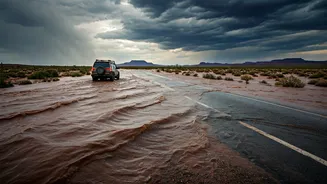
You might think you can just wait for an official "boil water advisory" before you worry. This is a risky strategy. First, these advisories aren't instantaneous. It takes time for authorities to test the water supply and confirm contamination after a major storm event. During that lag, you and your family could be exposed. Second, communication can be disrupted during a severe storm. If the power is out and cell service is spotty, you might miss the alert entirely. Relying on the tap post-monsoon is a gamble on infrastructure and information systems that are, by definition, under extreme stress. The safest assumption is that your water quality may be compromised until you hear otherwise.
Build Your Water Stockpile Now
Preparedness isn't panic; it's practical. The foundational rule of emergency water storage is to have at least one gallon of water per person, per day. A family of four needs a minimum of four gallons daily. Remember to account for pets as well. This one-gallon figure covers drinking and basic hygiene, like hand washing and brushing teeth. While a three-day supply is the absolute minimum recommendation, the realities of monsoon-related disruptions—like washed-out roads or extended power outages—make a one-week or even two-week supply a much wiser goal. Commercially bottled water is the easiest and safest option. Store it in a cool, dark place and resist the temptation to dip into it for everyday use. Mark your calendar to check and rotate your supply annually.
Go Beyond Bottled Water
A stockpile of bottled water is your first line of defense, but having backup methods is the mark of true readiness. Consider these options: Water Purification Tablets: These are inexpensive, have a long shelf life, and are simple to use. They typically use iodine or chlorine dioxide to kill microorganisms. They can leave an aftertaste, but in an emergency, safety trumps flavor. Portable Water Filters: Devices designed for camping and backpacking, like the Sawyer Squeeze or LifeStraw, are excellent for emergencies. They physically filter out bacteria and protozoa from a water source. Be sure you have one rated for removing the contaminants you’re most concerned about. Emergency Disinfection: If you have no other choice, you can disinfect water using unscented household bleach. The CDC recommends using a bleach product that is at least 5% sodium hypochlorite. Add 8 drops (about 1/8 teaspoon) of bleach per gallon of clear water. Stir and let it stand for at least 30 minutes before use. The water should have a slight chlorine smell; if not, repeat the dose and wait another 15 minutes.
Secure Your Home's Water Sources
Beyond stockpiling, you can take steps to protect your home's immediate water environment. If you have a private well, have the well cap and casing inspected annually to ensure they are sealed and watertight, preventing floodwater from entering directly. If you collect rainwater in barrels, make sure they are securely covered to keep out debris and mosquitoes, and understand that this water is not potable without rigorous filtration and disinfection. Finally, it’s a good idea to know where your home's main water shut-off valve is. If you suspect contamination or are evacuating due to flooding, shutting off your water can prevent contaminated water from being drawn back into your pipes.