
The Meltdown of 'Heatstroke Tourism'
For decades, the classic American vacation involved packing into a sweltering hotspot in July or August. Think Rome in August, Orlando in July, or Phoenix… ever. But record-breaking heatwaves are turning these dream trips into endurance tests. Tourists
are fainting at the Colosseum, attractions are closing early, and the simple pleasure of walking through a city is replaced by a desperate, shade-seeking shuffle. Travel insurance claims related to extreme heat are rising, and a European Travel Commission report found that 7.6% of travelers now see extreme weather as a major concern for trips. The romantic idea of a sun-drenched European summer is being replaced by the grim reality of what some are calling 'heatstroke tourism'—an expensive, uncomfortable, and sometimes dangerous way to spend your precious PTO.
The Rise of the 'Cool-cation'
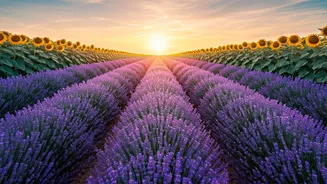
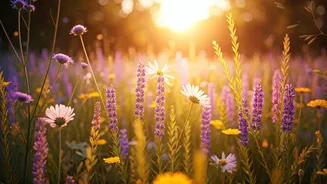
In response, a smarter travel trend is blossoming. Instead of chasing the sun, savvy vacationers are chasing the bloom. They’re planning trips around pleasant weather and peak natural beauty, from spring wildflower superblooms to cool-weather summer mountain flora. This isn’t just about avoiding discomfort; it’s a fundamental shift in what we value in a vacation. It prioritizes experience over simply ticking a famous landmark off a list. It’s about trading crowded, overheated city centers for open spaces, fresh air, and the unique, fleeting beauty of the natural world. Here are a few of the trips defining this new era of travel.
1. The California Superbloom Chase
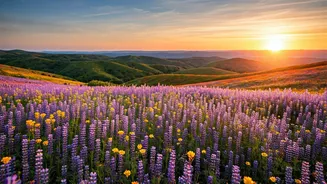
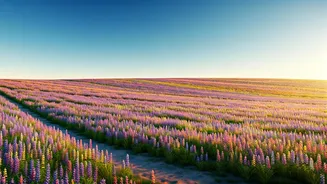
When heavy winter rains soak the deserts and hillsides of California, a breathtaking phenomenon can occur: the superbloom. Vast landscapes erupt in a riot of color, with millions of poppies, desert golds, and lupines carpeting the ground. Destinations like Anza-Borrego Desert State Park, the Carrizo Plain National Monument, or Antelope Valley California Poppy Reserve become bucket-list sites. Planning this trip requires flexibility, as blooms are dependent on rainfall and temperature, but the reward is a surreal, almost psychedelic display of nature’s power. It’s the ultimate Instagram backdrop, without the oppressive heat.
2. Pacific Northwest Tulip Festivals
Every April, parts of Washington and Oregon look less like the Pacific Northwest and more like the Netherlands. The Skagit Valley Tulip Festival in Washington draws hundreds of thousands of visitors to its endless, multicolored fields of tulips set against the backdrop of the Cascade Mountains. Similarly, the Wooden Shoe Tulip Farm in Oregon offers acres of vibrant blooms. These aren't just passive viewing experiences; they’re full-blown festivals with food, crafts, and a celebratory atmosphere, all enjoyed in the crisp, pleasant air of a Pacific Northwest spring.
3. Cherry Blossoms Beyond the D.C. Crowds
Washington, D.C.'s National Cherry Blossom Festival is iconic for a reason, but it's also famously crowded. For a more relaxed experience, consider one of America's other cherry blossom capitals. Macon, Georgia, proudly calls itself the 'Cherry Blossom Capital of the World,' with over 350,000 Yoshino cherry trees that create a stunning pink canopy in late March. In New York, the Brooklyn Botanic Garden’s Sakura Matsuri festival in late April is a beloved local tradition, offering a spectacular floral display without the need for a trip down I-95.
4. High-Altitude Summer Wildflowers
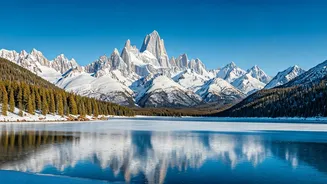
Who says flower trips are only for the spring? When the lowlands are baking in July and August, the mountains are just hitting their stride. The high-altitude meadows of the Rocky Mountains in Colorado, Utah, and Wyoming come alive with a carpet of Indian paintbrush, columbine, and fireweed. Hiking trails around areas like Crested Butte, Colorado (the 'Wildflower Capital of Colorado'), or Albion Basin in Utah’s Wasatch Mountains offers a perfect escape from the heat, combining active adventure with world-class botanical beauty. It’s the ultimate two-for-one: a cool-cation and a flower trip combined.