



The 2026 Ambition: More Than an Award
The year 2026 is a target. India has its sights set on hosting The World’s 50 Best Restaurants awards, a culinary equivalent of the Oscars. But this bid is more than just a party. It’s the public-facing goal of a much deeper, government-supported strategy
to rebrand India as a top-tier global food destination. For decades, the international perception of Indian cuisine has been dominated by a handful of North Indian, specifically Punjabi, dishes: butter chicken, naan bread, and palak paneer. While delicious, they represent a tiny fraction of the subcontinent’s staggering culinary diversity. The 2026 initiative is a declaration that this is about to change. It's a 'flex'—a confident showcase of strength—designed to elevate the country’s gastronomic profile from cheap takeout to a world-class experience, attracting tourists, investors, and epicurean acclaim.
Beyond Butter Chicken: The Regional Revolution
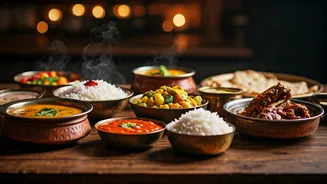
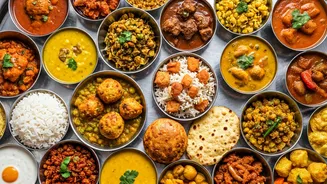
The core of this 'bold and regional' push is a pivot away from the generic. India is a country of countries, and its food mirrors this complexity. The new strategy champions the hyper-local, celebrating cuisines that most Americans have never encountered. Imagine the delicate, coconut-laced seafood stews of Kerala, a world away from heavy northern curries. Think of the savory, steamed momos and fermented flavors of the Himalayan northeast, influenced by Tibet and Bhutan. Or consider the intricate vegetarian thalis of Gujarat, with their unique sweet-and-sour balance, and the pungent, mustard-oil-infused fish dishes of Bengal. This movement involves chefs, restaurateurs, and state tourism boards working to document, preserve, and promote these distinct food cultures. It’s about convincing the world that Malabar fish curry is as 'Indian'—and as worthy of a Michelin star—as anything from a tandoor oven.
From Street Food to Starters
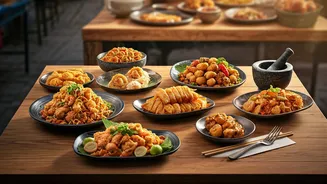
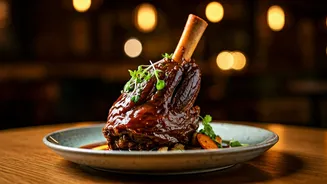
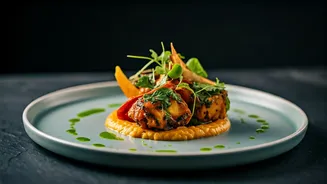
A key part of this strategy involves elevating the perception of all Indian food, from humble street snacks to elaborate banquet dishes. Chefs are deconstructing and reimagining traditional recipes with modern techniques, presenting them in fine-dining contexts without losing their soul. Street food classics like pani puri (hollow, crisp spheres filled with spiced water) are appearing on tasting menus as sophisticated, single-bite flavor explosions. The goal is to challenge the Western bias that often relegates non-European cuisines to a 'cheap and cheerful' category. By investing in culinary schools, supporting innovative chefs, and promoting a narrative of complexity and heritage, India is arguing that its culinary traditions are as profound and valuable as those of France or Japan. It’s a campaign to change not just what you eat, but how you value it.
A Seat at the Global Table
Ultimately, this is a masterful exercise in soft power. In the 21st century, food is a powerful tool for cultural diplomacy. A country’s cuisine can shape its national brand more effectively than a dozen political speeches. South Korea did it with kimchi and K-BBQ; Peru did it with ceviche. Now, India is making its play. By showcasing its regional diversity, India is projecting an image of a complex, modern, and confident nation that is more than its stereotypes. A successful 2026 'flex' wouldn’t just mean more tourists booking culinary tours to Lucknow or Chennai. It would mean a fundamental shift in how the world sees India—not as a monolith, but as a vibrant and endlessly varied civilization, with a seat waiting at the global high table. And for the American diner, it promises a delicious future where the menu of 'Indian food' becomes infinitely more exciting.