




1. The Anchor: A Touch of Drama
Every great garden design, no matter the size, needs a focal point. On a balcony, this is your 'anchor' pot. It should house something with height and presence to draw the eye and create a sense of scale. In a warm climate like Chennai’s, this might be
a vibrant bougainvillea trained up a small trellis or a dwarf lime tree. For U.S. balconies, consider a slender Italian cypress, a compact Japanese maple in a large container, or a hardy hibiscus that can be overwintered indoors. This plant isn't just about looks; its verticality makes the space feel larger and more established, instantly transforming it from a concrete slab into a garden.
2. The Scent: An Olfactory Escape
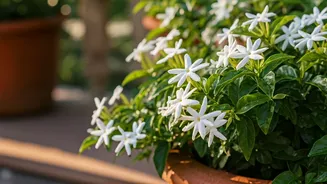
A key element of many Indian gardens is fragrance, a feature that’s especially powerful in a contained space. Dedicate one pot to a plant that will perfume your evenings. The classic choice in South India is *malli poo*, or jasmine sambac, whose intoxicating scent is woven into daily life. You can find this variety at many nurseries in the U.S. or opt for other fragrant choices like gardenias, lavender, or even a pot of powerfully scented stock flowers. Position this pot near a door or window to let the fragrance drift inside, creating a seamless connection between your indoor and outdoor living areas. It's a small touch that provides an enormous sensory reward.
3. The Kitchen Helper: An Edible Pot
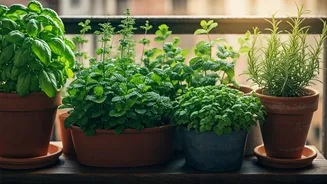
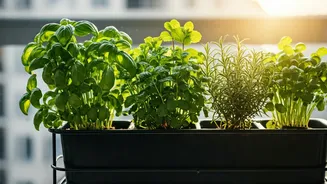
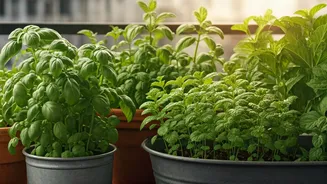
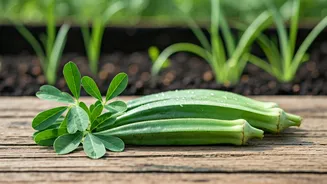
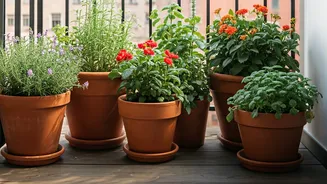
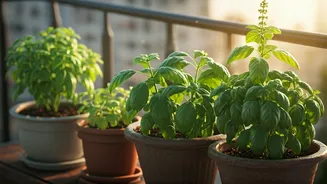
A balcony garden should be more than just ornamental; it can be wonderfully useful. One pot devoted to culinary herbs or a small vegetable is a must. In Chennai, this pot would almost certainly contain tulsi (holy basil) for tea and religious offerings, alongside curry leaves, mint, or fiery chilies. For an American balcony, a classic herb pot is a perfect fit. Combine mint (for mojitos), basil (for pasta), and rosemary (for roasts) in one container. Alternatively, a single pot can produce a surprising amount of cherry tomatoes or spicy jalapeños. There is a unique satisfaction in snipping something fresh for your meal just steps from your kitchen.
4. The Spiller: Softening the Edges
Balconies are full of hard lines—the railing, the floor, the walls. A 'spiller' plant is your secret weapon to soften these edges and create a feeling of lush abundance. This plant should be placed in a pot on a stand, a shelf, or in a hanging basket, allowing its foliage to trail downwards gracefully. Good options include the sweet potato vine (in either chartreuse or deep purple), the classic English ivy, or more modern succulents like 'string of pearls' or 'string of bananas'. This cascading greenery breaks up the geometry of the space, blurring the line between the built environment and the garden you’ve created.
5. The Color Pop: A Splash of Joy
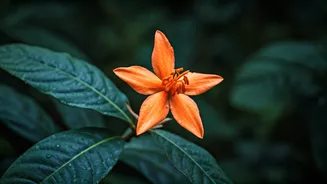
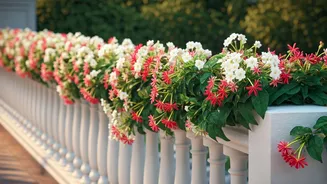
While green is the foundation, vibrant color is what brings a garden to life. Your fifth pot is for seasonal, high-impact blooms. In India, this might be a pot of brilliant orange marigolds, which hold cultural significance and are famously hardy. On a U.S. balcony, you have endless options depending on the season and sunlight. Petunias, geraniums, and zinnias offer reliable summer color. In cooler months, pansies and violas can provide a cheerful display. This pot is your chance to play and experiment. You can change it out every few months to keep the view fresh and exciting, ensuring there's always something beautiful catching your eye.