


What 'Local' Really Means
When gardeners talk about choosing “local plants,” they’re almost always referring to native plants—the species that have grown and evolved in a particular region for thousands of years, long before European settlement. These aren't just any plants that happen
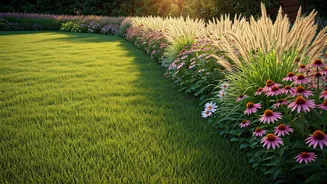
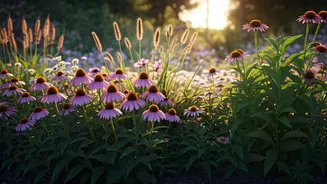
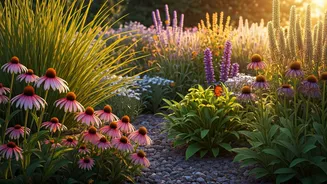
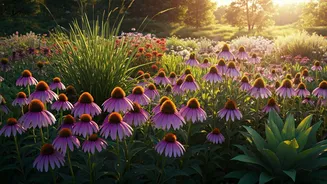
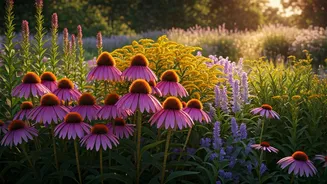
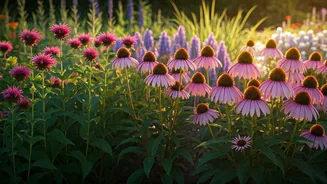
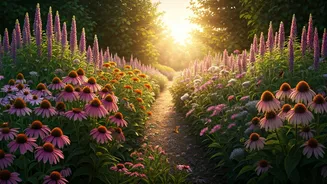
to grow nearby; they are the foundational flora of a local ecosystem. Think purple coneflowers on the prairies, California poppies on the West Coast, or brilliant red cardinal flowers in Eastern wetlands. Unlike ornamental imports from Asia or Europe—like many popular hostas and daylilies—native plants are perfectly adapted to the local climate, soil, and wildlife. They are, in essence, the true home team of the plant world, genetically programmed to thrive exactly where they are planted.
More Than Just a Pretty Yard
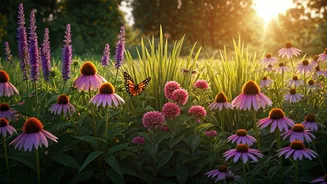
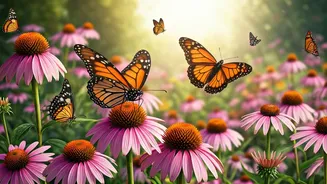
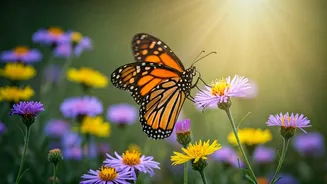
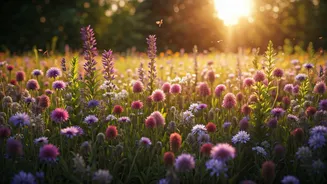
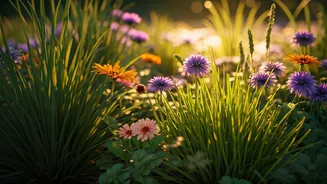
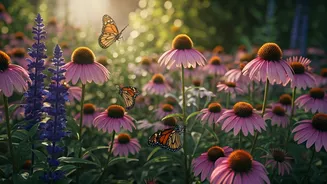
The shift toward native gardening is driven by a growing awareness of its profound ecological benefits. For decades, suburban landscaping has inadvertently created “food deserts” for pollinators and other wildlife. A pristine green lawn and a row of imported shrubs offer virtually no food or habitat for local bees, butterflies, and birds. Native plants, on the other hand, are the bedrock of the local food web. The relationship is often incredibly specific: monarch butterfly caterpillars, for example, can only eat milkweed. Without it, they cannot survive. By planting native species, gardeners are essentially rolling out a welcome mat for local wildlife. They are creating crucial corridors for pollinators navigating fragmented habitats, providing seeds for birds through the winter, and supporting a complex web of life that begins in their own backyard. It transforms gardening from a purely aesthetic pursuit into an act of ecological restoration.
The Low-Effort, High-Reward Garden
Beyond the environmental good, a major draw for native plants is their practicality. They simply make for an easier, more resilient garden. Because they evolved to handle local conditions, they are naturally tough. Once established, they typically require far less water than non-native ornamentals, a critical advantage in drought-prone areas. Their deep root systems can improve soil structure and help manage stormwater runoff. Furthermore, they don’t need the constant pampering that many traditional garden plants demand. Forget the endless cycle of fertilizers and pesticides; native plants have co-evolved with local insects and diseases, developing their own natural defenses. For the gardener, this means less time spent watering, weeding, and spraying, and more time enjoying the lively, buzzing ecosystem their yard has become. It’s a garden that works with nature, not against it.
How to Join the Movement
Getting started with native plants is easier than many people think. You don’t need to rip out your entire lawn overnight. A great first step is to convert a small, manageable patch of grass or an existing flower bed. Start by identifying your region's native plants. Online resources like the National Wildlife Federation’s Native Plant Finder or the Xerces Society’s regional guides are invaluable tools that let you search by zip code. Local native plant societies and university extension websites also provide tailored recommendations. When you’re ready to buy, seek out local nurseries that specialize in native species. They can offer advice on which plants will best suit the specific light and soil conditions of your yard. Even adding just a few native perennials, like bee balm or black-eyed Susans, can make an immediate and visible difference for your local pollinators.