





Decoding the 'Food Calendar'
There is no official document titled 'India’s Food Calendar.' You won’t find it hanging in a kitchen next to a grocery list. Instead, it’s a living, breathing concept woven into the fabric of daily life—a philosophy of eating that synchronizes the body
with the rhythms of nature. This unwritten guide is largely rooted in Ayurveda, the ancient Indian system of medicine, which views food not just as fuel, but as a primary tool for maintaining balance and health. The core idea is that what we should eat isn't static; it changes with the seasons, because our own bodies, particularly our digestive strength, change with them too. It’s a beautifully simple premise: eat in a way that supports your body’s needs right now, in this climate, in this season.
The Meaning of 'Eating Softer'
When the calendar calls for 'softer' foods, it isn’t about texture in the way an American might think of mushy baby food. 'Soft' here means gentle on the digestive system. In Ayurveda, the concept of 'agni,' or digestive fire, is central. This metaphorical fire is the engine of our metabolism, responsible for transforming food into energy. According to this wisdom, our agni isn't a constant blaze; it ebbs and flows. During hot, humid weather or the dampness of a monsoon, the digestive fire is believed to be weaker. Piling on heavy, greasy, or complex raw foods is like throwing wet logs on a low flame—it just creates smoke and sluggishness. 'Softer' foods, therefore, are those that are pre-digested through cooking: warm soups, light stews, steamed vegetables, and well-cooked grains. They are nourishing, easy to break down, and allow a weakened digestive system to work efficiently without strain.
A Monsoon Menu in Practice
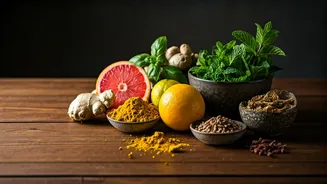
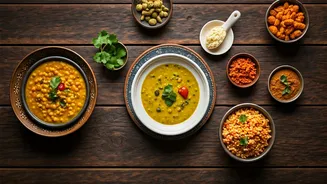
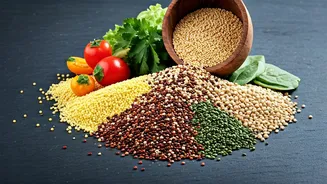
The Indian monsoon season is the perfect case study for this principle. As the rains arrive, bringing relief from scorching heat but also high humidity and a host of water-borne pathogens, the traditional diet instinctively shifts. The craving for raw salads and cold drinks wanes. Instead, kitchens fill with the aroma of ginger and turmeric, spices known for their digestive and anti-inflammatory properties. A classic monsoon meal is khichdi, a comforting porridge of rice and lentils, often seasoned with a dollop of ghee and a pinch of asafoetida. It's the quintessential 'soft' food—warm, hydrating, and nutritionally complete, yet incredibly easy for the body to process. Fried snacks are minimized, and leafy greens are often cooked thoroughly rather than eaten raw, as they can be harder to digest and may carry more contaminants during this season. It's a system of practical self-care, honed over millennia.
Beyond Gut Health to Mindful Eating
While the immediate benefit of this seasonal eating is better digestion—less bloating, more energy—the philosophy points to something deeper. It encourages a form of intuitive eating that has been largely lost in the modern world of year-round food availability. We can get strawberries in December and butternut squash in May, but this calendar asks: just because you can, should you? Listening to the calendar means listening to your body. It’s about noticing that a crisp, cold salad feels fantastic on a dry summer day but deeply unsatisfying on a damp, chilly evening. It’s about recognizing the body’s craving for a hearty, warming stew in the dead of winter when the digestive fire is said to be at its strongest. This approach shifts the focus from external rules about 'good' and 'bad' foods to an internal conversation with your own body, making every meal an opportunity to create balance and harmony.