


The Old Guard of Wellness
For decades, the wellness industry sold an image of pristine, expensive exclusivity. Think destination spas in the desert, high-tech gyms with hefty monthly fees like Equinox, or retreats that required a week of vacation time and a four-figure budget.
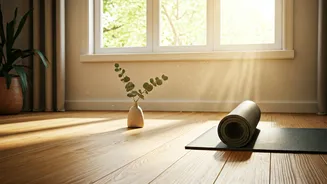
Wellness was positioned as a luxury good, a status symbol you earned or purchased. It was something you ‘went to’—a separate, walled-off experience from your daily life. The spaces themselves were designed for quiet, solitary introspection. While calming, this model inherently excluded the vast majority of people who couldn't afford the time or money, inadvertently framing self-care as a privilege rather than a right.
The Great Unbundling of Self-Care
So, what changed? The shift wasn't sudden, but it was accelerated dramatically by the pandemic. As collective anxiety and isolation soared, the need for mental and emotional health support became a mainstream conversation, not a niche concern. Simultaneously, economic pressures made luxury spending less feasible for many. In response, the concept of wellness began to 'unbundle.' Instead of one-stop, high-cost destinations, we’re seeing a rise in specialized, affordable, and community-oriented options. It’s no longer about escaping your life for a day of pampering; it’s about integrating small, sustainable moments of well-being into your everyday routine. This new approach values connection and accessibility over silent, solitary luxury.
From Spas to Social Clubs
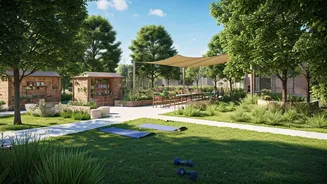
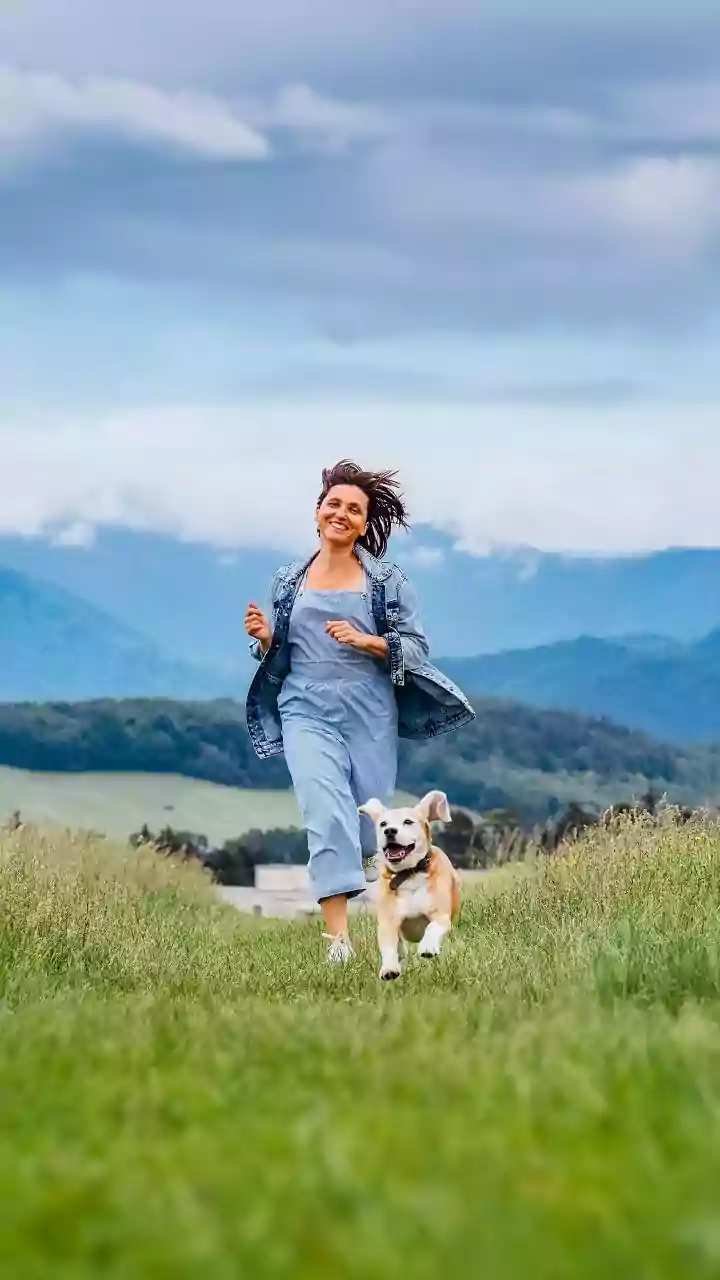
The new wellness spaces look very different from the old ones. They are often focused on connection as much as quiet. We're seeing the growth of 'social wellness clubs' like Remedy Place in New York and L.A., which offer services like ice baths and IV drips in a social, lounge-like setting. But the trend goes far beyond new businesses. Public libraries are offering free meditation and yoga classes. Community gardens are being recognized as vital spaces for mental health, providing both nature and social interaction. Cities are designing 'healing parks' with sensory installations and quiet zones. Even a walk with a friend, intentionally framed as a moment to de-stress and connect, functions as a mobile wellness space. The focus has moved from paying for expensive serenity to creating it with the resources and community you already have.
Redefining What It Means to Be Well
Ultimately, this movement is about a fundamental redefinition of wellness itself. For a long time, wellness was marketed as physical optimization: the perfect diet, the hardest workout, the leanest body. The new wave is more holistic, prioritizing mental, emotional, and social health on equal footing with physical fitness. A 2022 report from the consulting firm McKinsey noted a major consumer shift toward mindfulness, better sleep, and mental health services. People are looking for authenticity and connection, not just aesthetic perfection. This explains the rise of everything from community-run breathwork circles to sober bars that offer the social element of a night out without the alcohol. The new wellness isn't something you buy off a menu; it's a practice you cultivate, often with others.