




Understanding the Monsoon's Rhythm
First, forget the idea of a single, nationwide downpour. The Indian monsoon is a complex weather system that sweeps across the subcontinent in stages, typically from June to September. It usually arrives in the southern state of Kerala in early June,
gradually moving north and east over the following weeks. This means that while Mumbai might be experiencing torrential rain in July, the desert state of Rajasthan may only be getting occasional, welcome showers. The key is to research the specific pattern for your intended destination. A 'monsoon trip' can mean very different things in Goa, Delhi, or Darjeeling, so regional timing is your first and most important consideration.
Your Digital Weather Toolkit
This is where the headline's advice becomes critical. Don't just rely on your phone's default weather app, which often uses broad, less accurate international models. For on-the-ground accuracy in India, you need local sources. Bookmark the website for the India Meteorological Department (IMD), the official government agency. It provides district-level warnings for heavy rainfall, cyclones, and flooding. For a more user-friendly interface, apps like Skymet Weather offer detailed forecasts and real-time updates. Look beyond the simple 'rain' icon; pay attention to predicted rainfall amounts (in millimeters), wind speeds, and specific color-coded alerts (yellow, orange, red) which indicate the severity of expected weather events. Checking these daily will help you decide whether to proceed with a long road trip or opt for a cozy day at your hotel.
Choose Your Destination Wisely
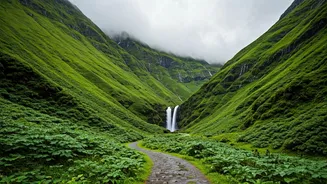
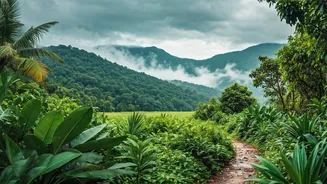
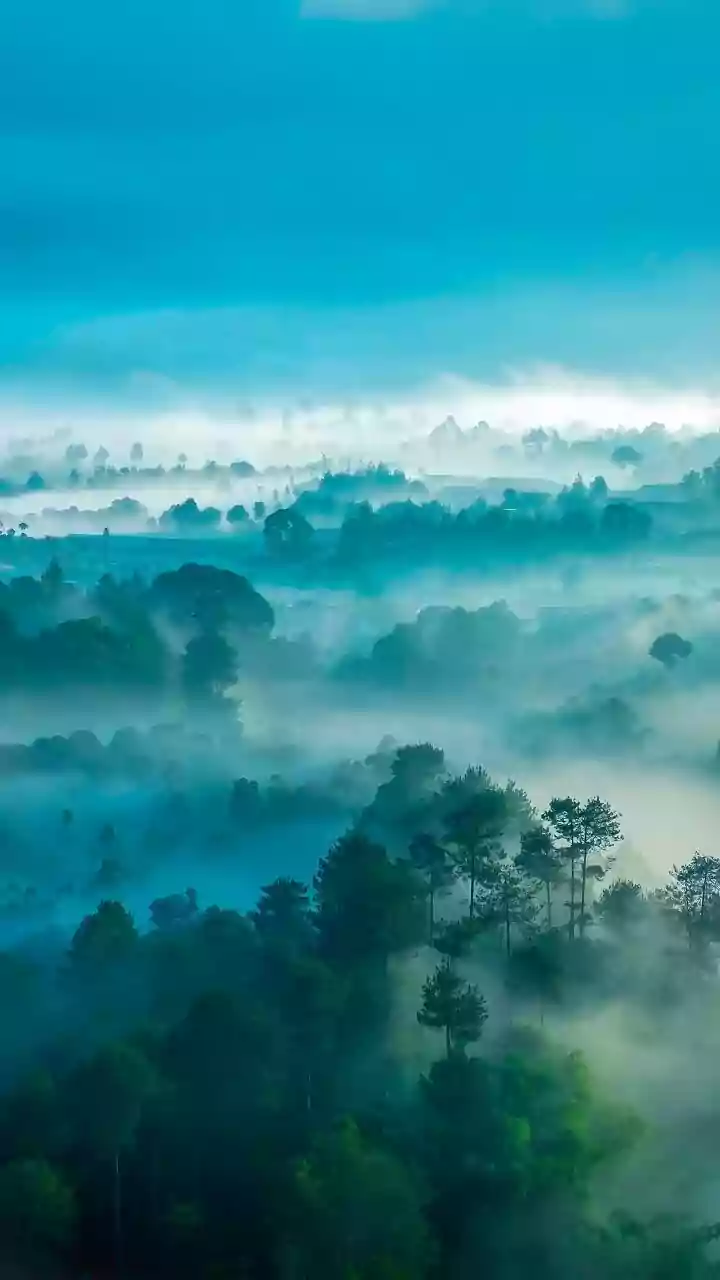
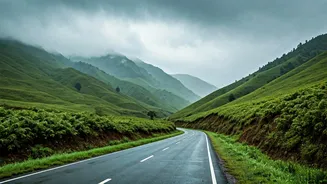
Some parts of India are transformed into a paradise during the monsoon, while others become nearly inaccessible. Hilly and mountainous regions, particularly in the Himalayas (like Himachal Pradesh and Uttarakhand), are prone to dangerous landslides and road closures, making them high-risk destinations during this season. Conversely, this is a spectacular time to visit places that thrive with the rain. The backwaters of Kerala become intensely green and vibrant. The arid landscapes of Rajasthan and the central plateau of the Deccan bloom with life after the first showers. Cities like Udaipur or Jaipur can be magical with dramatic, cloudy skies and fewer crowds. The key is to trade high-mountain trekking for culture-rich cities or regions known for their lush, rolling landscapes.
Pack for Rain, Humidity, and Delays
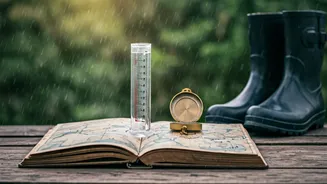
Your packing strategy can make or break your trip. Forget jeans and heavy cotton; they take forever to dry in the intense humidity. Instead, opt for lightweight, quick-drying synthetic fabrics. A high-quality, breathable rain jacket is non-negotiable. For footwear, leave the leather at home. A sturdy pair of waterproof sandals or floaters with good grip is ideal for navigating wet streets. A common mistake is packing only for rain; remember the mosquitoes. The wet season brings them out in force, so pack a reliable insect repellent with DEET. Finally, a durable waterproof dry bag is your best friend. Use it to protect your passport, phone, camera, and other electronics from sudden downpours, whether you're on a boat or just caught in a shower while sightseeing.
Embrace the Slower Pace
The most important piece of advice for monsoon travel is to build flexibility into your itinerary. Your trip will be less about ticking off a long list of sights and more about experiencing a place at a slower, more contemplative pace. Trains may be delayed, flights can be canceled, and roads can be temporarily blocked. Instead of getting frustrated, see it as part of the adventure. Have backup plans. Book hotels with good cancellation policies. A day spent reading in a beautiful cafe while the rain pours down outside isn't a wasted day; it's a core part of the monsoon experience. This is travel for the patient and adaptable, and the rewards are sights, sounds, and smells that you won't find at any other time of year.