


The Paralysis of Eco-Perfection
Let’s be honest: trying to be a perfectly ethical and sustainable consumer is exhausting. You’re navigating a jungle of certifications, conflicting advice, and corporate greenwashing. One report says almonds use too much water; another praises their nutritional
benefits. A package boasts it’s 'sustainably sourced,' but the fine print is vague. This feeling is often called 'analysis paralysis,' where the sheer volume of information prevents you from making any decision at all. The result? We either give up and grab whatever’s convenient, or we live with a low-grade anxiety that we’re constantly making the wrong choice. The global food system is a complex machine with a million moving parts, and trying to audit every purchase from thousands of miles away can feel less like conscious living and more like an impossible homework assignment.
From Abstract Labels to Real Relationships
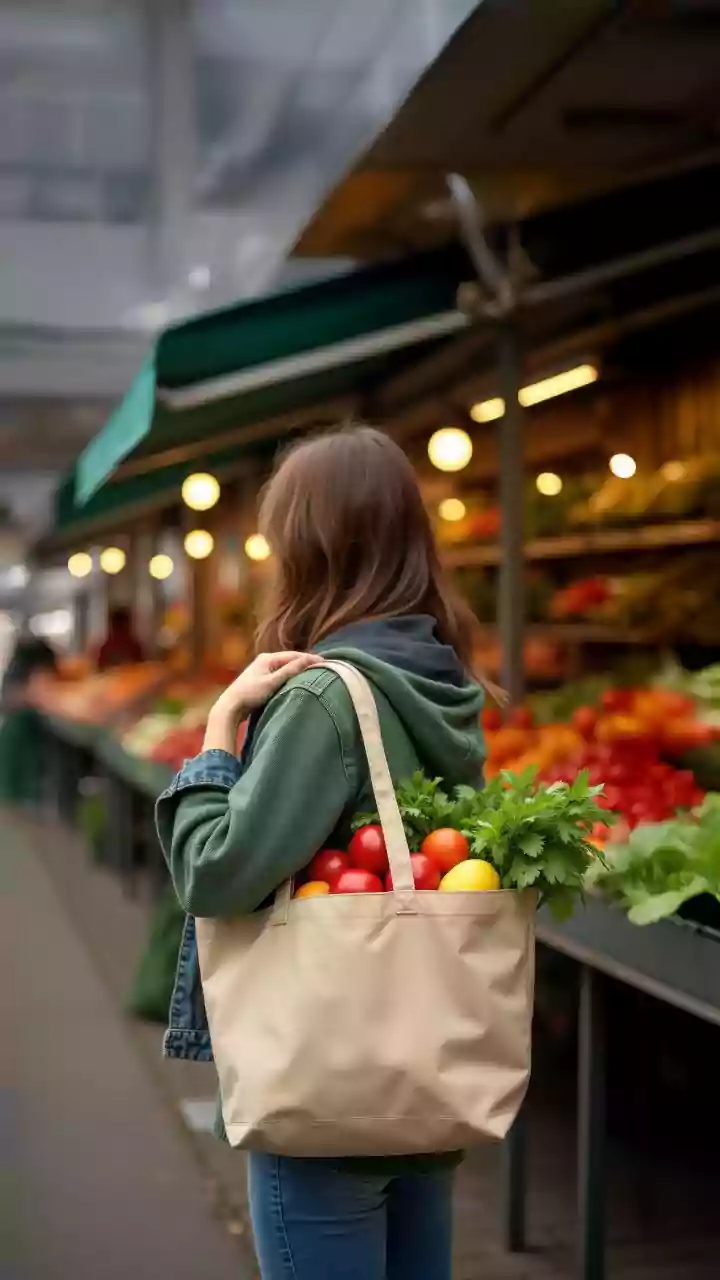
This is where the local food movement offers a profound shift. It replaces abstract trust in a distant supply chain with tangible, human-scale connection. When you buy strawberries from a farmer at your local market, the certification isn't a sticker on a plastic box—it's the person standing in front of you. You can ask them directly: 'Do you spray your crops?' 'How do you manage pests?' 'What’s growing well this season?' Suddenly, sustainability isn't about deciphering a corporate label; it's about a conversation. This relationship-based model feels more intuitive because it taps into a primal way of knowing our food source. You’re not just buying produce; you’re connecting with the land it came from and the person who grew it. This personal investment makes the choice feel meaningful and straightforward, cutting through the noise of industrial food marketing.
Thinking Beyond 'Food Miles'
The most common argument for local food is the reduction in 'food miles'—the distance food travels from farm to plate. While it’s true that food shipped across the country or the world carries a significant carbon footprint from transportation, the story is more nuanced. A locally grown tomato raised in a heated greenhouse in a cold climate, for example, might have a larger energy footprint than a field-grown one shipped from Mexico. However, the true environmental power of local food often lies elsewhere. Local producers typically use far less packaging. The food is fresher, leading to less spoilage and waste at home. Small-scale farmers are often more likely to use regenerative practices like cover cropping and crop rotation to maintain soil health, even if they can't afford the expensive and lengthy process of getting official organic certification. They’re preserving the health of the land you live on, a benefit that’s impossible to measure on a food label.
An Eco-Choice That Builds Your Community
Perhaps the most powerful and 'natural' aspect of choosing local food is that its positive impact is visible. When you spend your money at a farmers market or a local co-op, you are directly supporting a small business owner in your town. That money circulates locally, funding schools, libraries, and other small businesses. You are helping preserve farmland and green space in your area, preventing it from being turned into another strip mall. This is an environmental choice that simultaneously strengthens your community’s economic and social fabric. It turns an abstract goal—'saving the planet'—into a concrete, rewarding action: 'helping my neighbor’s farm thrive.' This tangible feedback loop is what makes the habit stick. It feels good because you can see the good it’s doing, right in front of you.