

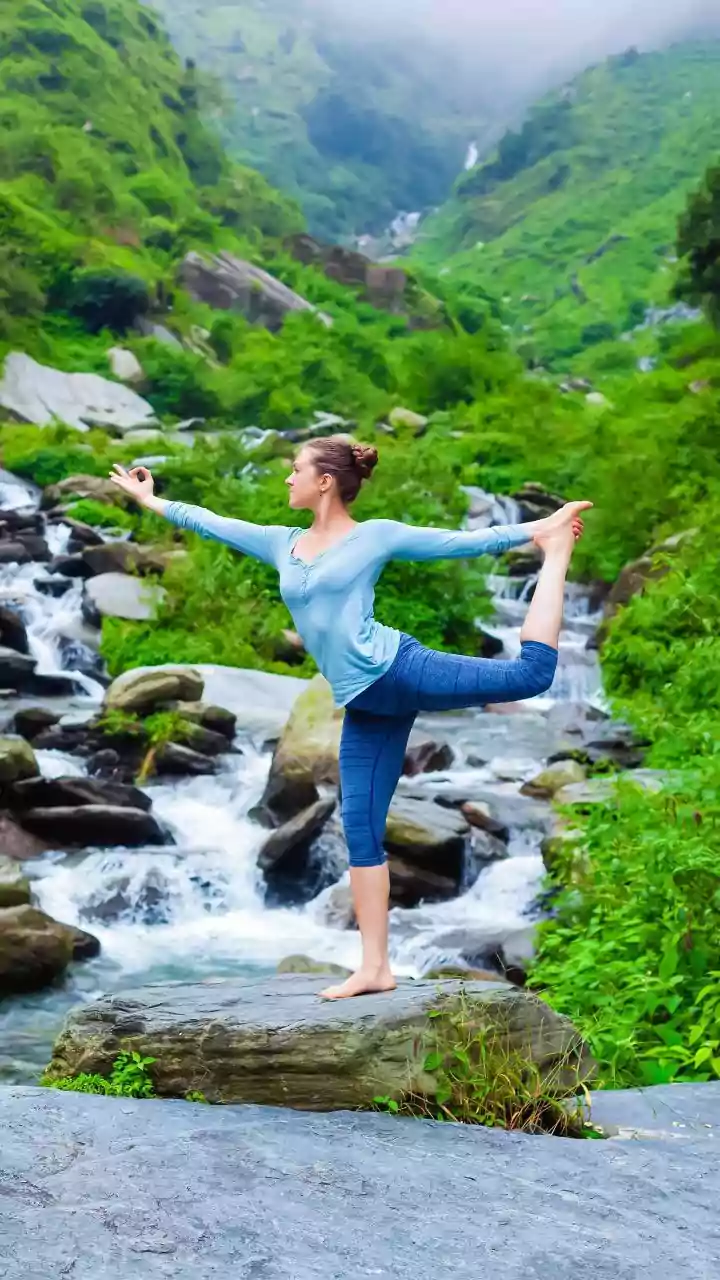





So, What Is Walking Yoga?
Let’s clear this up first: walking yoga isn’t about attempting a downward dog while strolling through the park. At its core, it’s a form of active meditation that merges the physical act of walking with the inner awareness of yoga. Think of it as bringing
your yoga practice off the mat and into the world. Instead of focusing on getting from point A to B, you turn your attention inward. You sync your breath with your steps, notice the sensation of your feet on the ground, and pay attention to your posture. It transforms a mundane activity into a moving mindfulness session. While some traditions, like Zen Buddhist Kinhin (walking meditation), have formalized this, for most people it's a simple, adaptable practice you can do anywhere, from a neighborhood sidewalk to a forest trail, with no special gear required.
The Sneaky Physical Perks
The “soft” perception of walking yoga completely undersells its physical benefits. Sure, you’re getting the well-known cardiovascular perks of walking, but the “yoga” element adds a new dimension of functional fitness. By consciously engaging your core for stability, rolling through your feet with intention, and keeping your shoulders back and down, you are actively retraining your body’s posture and alignment. This mindful movement can improve balance and coordination in a way a treadmill session can’t. It’s also incredibly low-impact, making it a sustainable form of exercise for people of all ages and fitness levels, especially those with joint pain who might find running or high-intensity workouts prohibitive. It’s a gentle way to build strength, flexibility, and body awareness that supports all your other physical activities.
The 'Seriously Smart' Mental Upgrade
This is where walking yoga truly shines. In a world of constant notifications and digital distractions, our minds are rarely at rest. Walking yoga serves as a powerful antidote. By focusing on the rhythm of your breath and the physical sensations of movement, you anchor yourself in the present moment. This practice has been shown to calm the nervous system, reduce levels of the stress hormone cortisol, and alleviate symptoms of anxiety and depression. It’s not about emptying your mind, but giving it one simple thing to focus on. This can break the cycle of ruminative thoughts and mental chatter that drains our energy. You’re not just exercising your body; you’re training your brain to be less reactive and more focused. It’s a mental reset button you can press anytime, anywhere.
How to Take Your First Mindful Steps
The beauty of walking yoga is its simplicity. You don’t need a class or a guru to get started. Find a quiet place where you can walk back and forth or in a small loop for 5-10 minutes. Leave your phone behind.
1. **Start by Standing Still:** Take a few deep breaths. Feel your feet planted on the ground. Notice your posture.
2. **Begin Walking Slowly:** Slower than you normally would. The goal isn't distance, it's awareness.
3. **Sync Breath to Steps:** Try inhaling for three steps, then exhaling for three steps. Find a rhythm that feels natural and calming. Don't force it.
4. **Tune In to Sensations:** Pay attention to the feeling of your heel landing, your weight rolling through the sole of your foot, and your toes pushing off. Notice the air on your skin and the sounds around you without judgment.
That’s it. When your mind wanders (and it will), gently guide your focus back to your breath and your steps. This is the practice.