
More Than Just Decoration
Before you dismiss houseplants as just another decor trend, consider why they have such a profound effect on a space. It comes down to a concept called biophilia—the innate human desire to connect with nature. In our modern, screen-filled lives, our homes
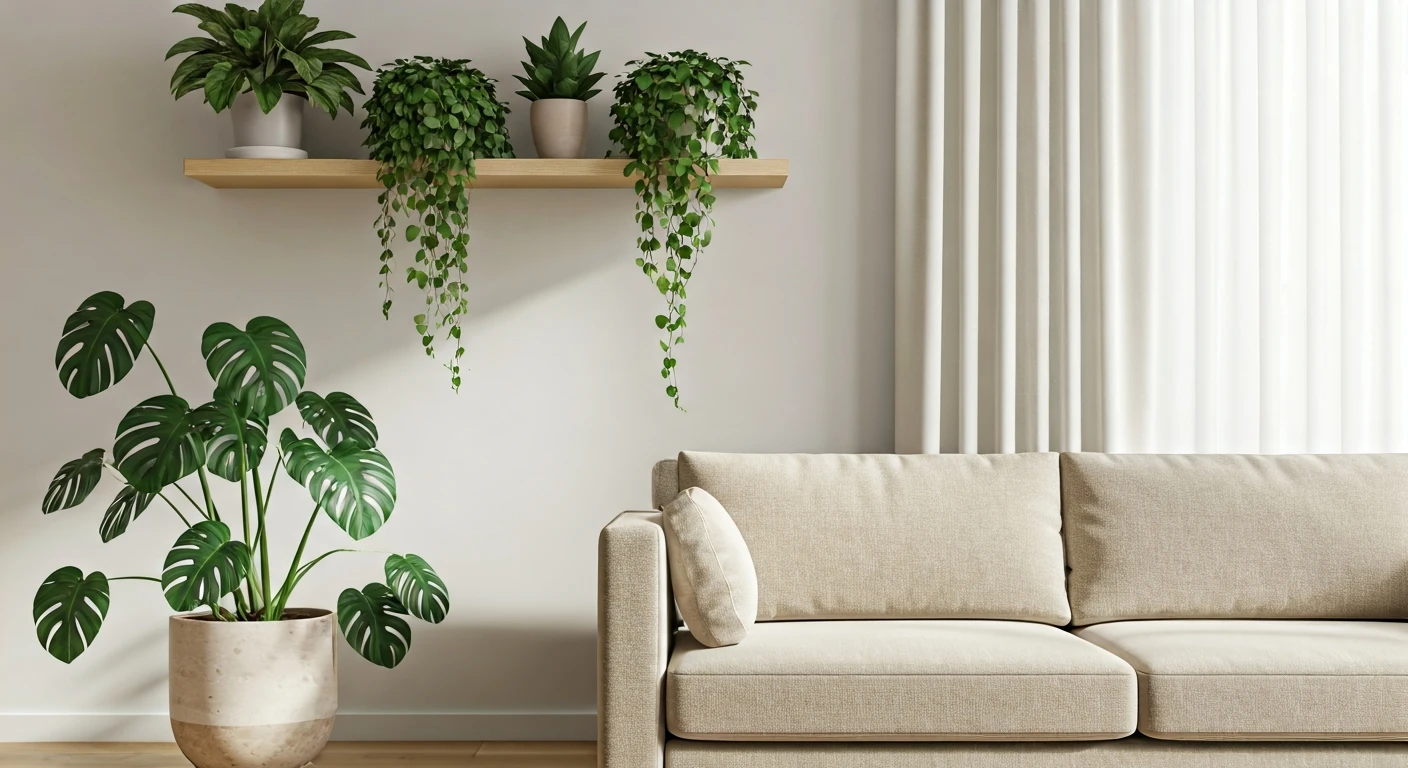
can sometimes feel like sterile boxes. Introducing plants brings in organic shapes, varied textures, and a touch of the unpredictable that breaks up the monotony of straight lines and hard surfaces. A single trailing vine can soften the sharp corner of a bookshelf, while the dappled light filtering through a large leaf can make a sterile white wall feel dynamic and alive. This isn't just about aesthetics; it's about fulfilling a deep-seated need for nature, which helps a house feel less like a structure and more like a sanctuary.
Start with the 'Unkillables'
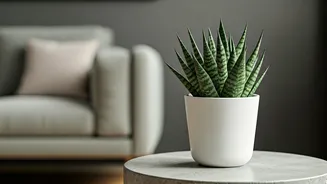
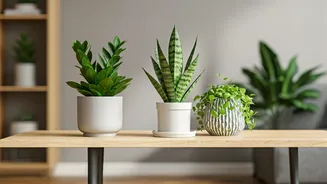
The fear of killing a plant is real, but it shouldn't stop you. The key is starting with famously forgiving varieties that can handle a bit of neglect. First, consider the Snake Plant (Sansevieria), a sculptural plant that thrives on low light and infrequent watering—you’re more likely to kill it with kindness (overwatering) than neglect. Next is the ZZ Plant (Zamioculcas zamiifolia), with its waxy, dark green leaves; it stores water in its roots and can go weeks without a drink. Finally, there's the Golden Pothos (Epipremnum aureum), a fast-growing vine that will clearly tell you when it’s thirsty with a slight droop, and perks right back up after watering. It can be hung, draped, or set on a shelf, making it incredibly versatile. Starting with one of these builds confidence and proves that you don't need a “green thumb” to succeed.
Style Them Like a Pro
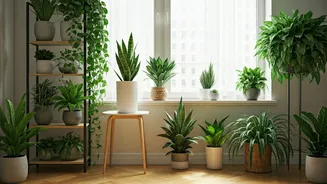
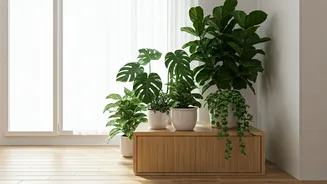
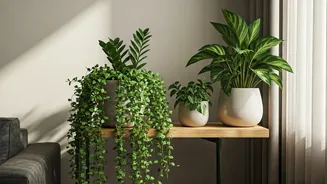
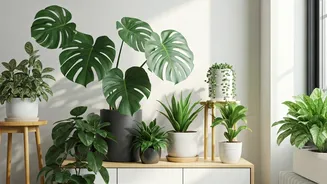
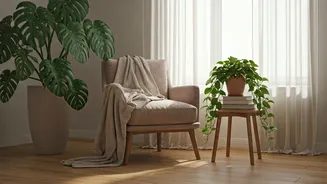
Once you have your plant, placement is everything. Instead of dotting single plants around a room, think about creating intentional moments. A classic design trick is to group plants in odd numbers, like a cluster of three on a side table or a windowsill. Vary their height and leaf texture to create a more dynamic and natural-looking arrangement. A tall, upright Snake Plant can be paired with a medium-sized, bushy fern and a small, trailing Pothos for a composition that has depth and interest. Use plants to solve design problems: a tall Fiddle Leaf Fig can fill an awkward empty corner, while a hanging plant can add life to a vertical space without taking up any floor area. Think of them as living sculptures that complete the room.
The Pot Is Part of the Look
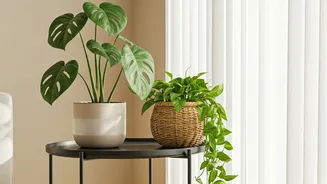
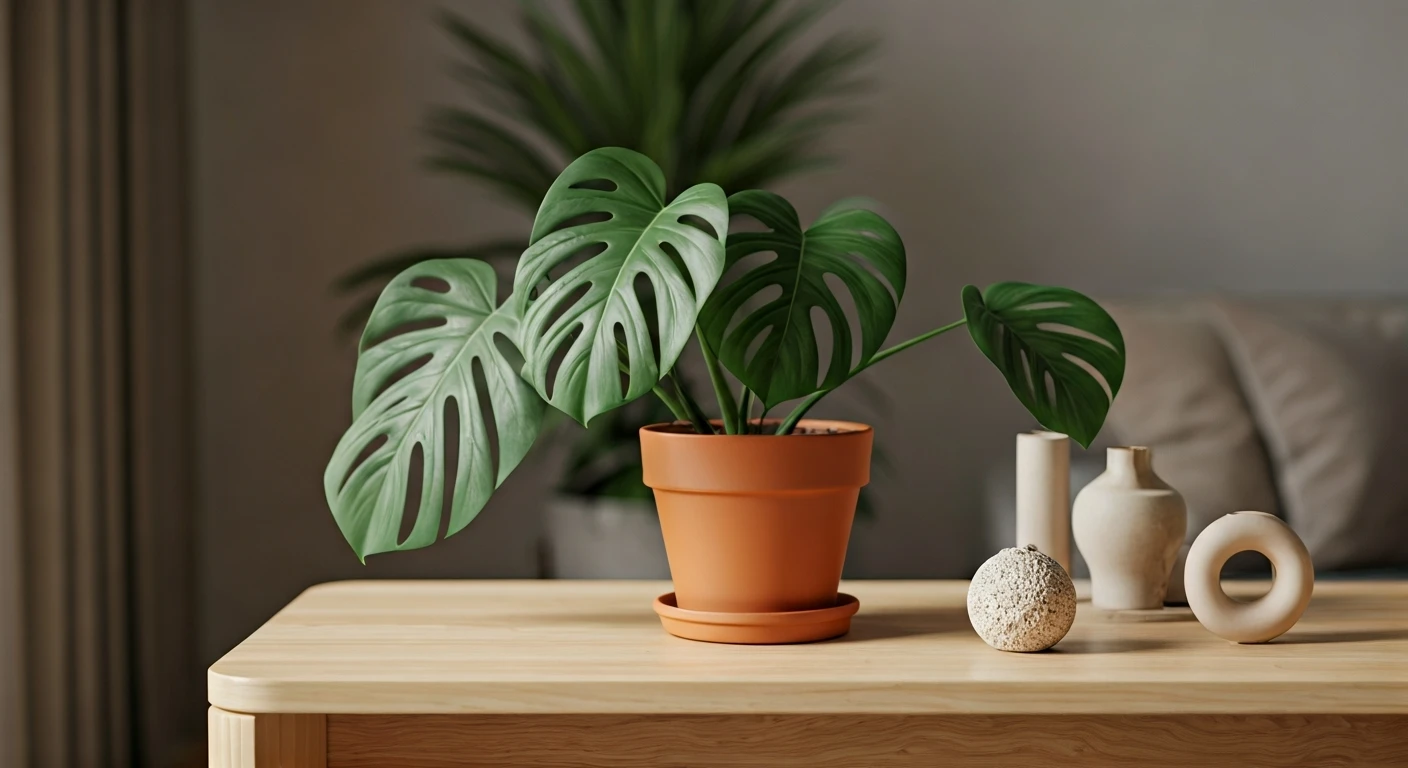
Don't overlook the container. The pot or planter is your opportunity to tie the plant into your existing decor. A simple terracotta pot gives off a warm, earthy, and bohemian vibe. A sleek, white ceramic planter feels more modern and minimalist. Woven baskets are perfect for a relaxed, coastal, or boho feel, instantly adding texture and softness. You don't have to spend a fortune, either. Many beautiful and affordable options exist at home goods stores, nurseries, and even thrift shops. The key is to choose a pot that not only fits the plant's needs (make sure it has drainage!) but also complements the colors and materials already in your room. This simple step elevates a simple houseplant into a cohesive design element.
Fill the Gaps with Green
Plants are uniquely suited to breathe life into the forgotten nooks of our homes. That empty space on top of the kitchen cabinets? Perfect for a trailing Pothos that loves humidity. The lonely-looking guest bathroom counter? A small ZZ Plant that tolerates low light will make it feel instantly more hospitable. Bookshelves can be transformed from static storage into living displays by interspersing books with small succulents or a delicate String of Pearls. By strategically placing plants in these overlooked areas, you create pleasant little surprises that make your entire home feel more considered, detailed, and lived-in. It’s this attention to the small details that creates a truly personal atmosphere.